






















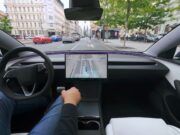





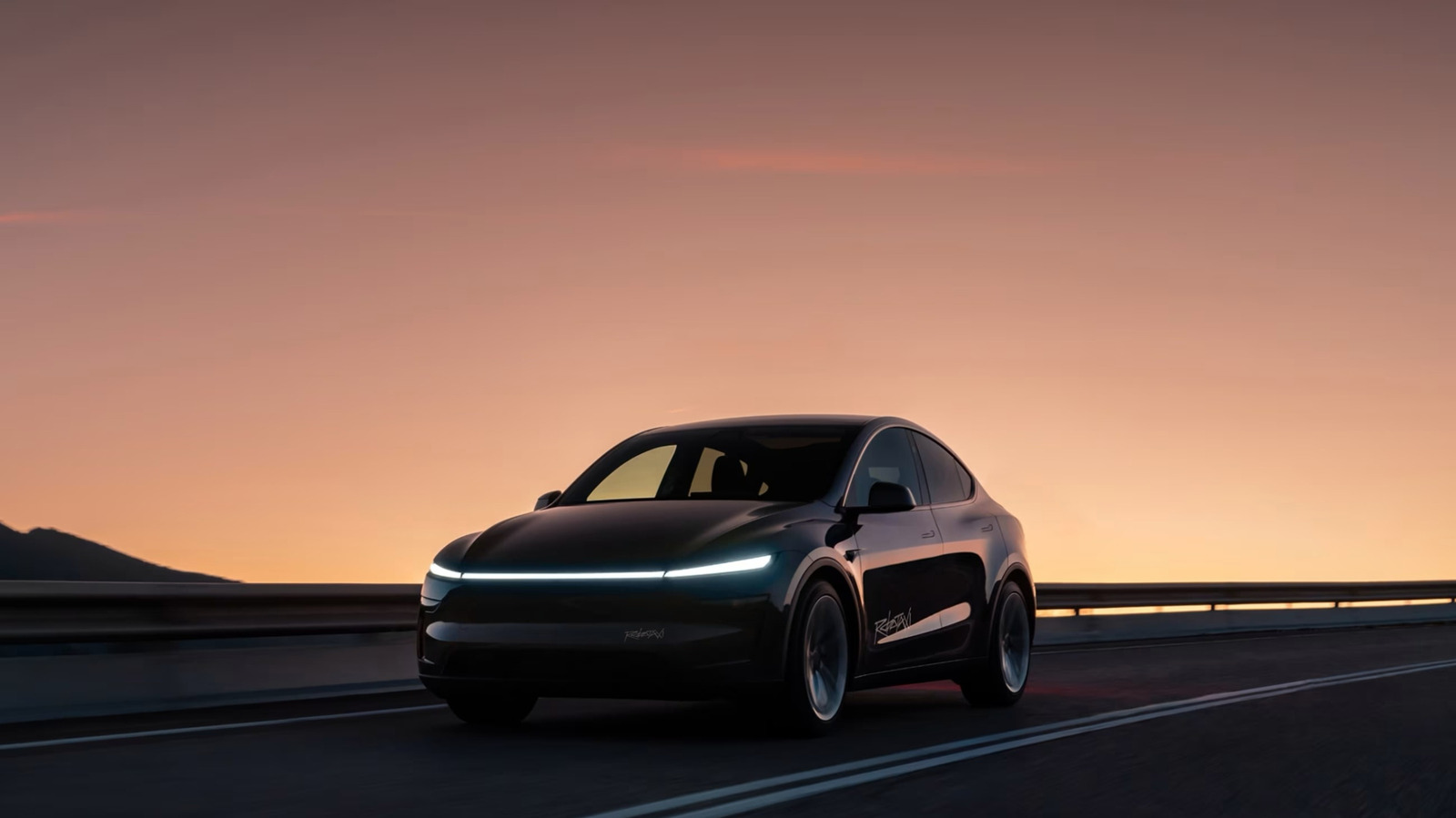
Tesla robotaxi crash data is a fresh reminder that autonomous ride-hailing is still a slow, messy road.
The reported incidents do not tell the whole story by themselves. Crash counts need context, including miles driven, operating conditions and whether a safety driver or remote operator was involved. Still, the numbers matter because Tesla has made robotaxis central to its long-term pitch.
Small numbers, big expectations
Tesla has spent years selling the idea that software can unlock a massive driverless business. That makes every public-road incident more important than it might be for a normal test fleet.
Robotaxi services also depend on trust. A crash does not automatically prove the technology is unsafe, but it does raise questions. How often does the system need help? What happens when edge cases appear? How quickly can Tesla explain what went wrong?
Those questions are not unique to Tesla. Every company chasing autonomous driving has to deal with weather, road work, human drivers and weird local behavior. The difference is that Tesla’s public expectations are unusually high.
The real test is consistency
For readers, the headline is not that robotaxis are doomed. The better takeaway is that reliable autonomy has to be boring before it can be big. It needs clear data, transparent limits and fewer dramatic promises.
That same patience applies across the EV market. We recently covered the 2027 Volkswagen ID. Buzz camping trim, a much more traditional electric vehicle story. Robotaxis are the wilder bet. They need more proof.
The most important question is not whether one company can show a polished demo. It is whether the service can run safely through boring, repetitive, real-world trips. Robotaxis have to handle normal traffic, confused pedestrians, bad signage and impatient drivers without turning every exception into a headline.
That proof has to be boring, repeatable and public enough to trust.