





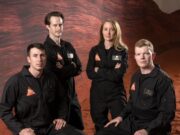






















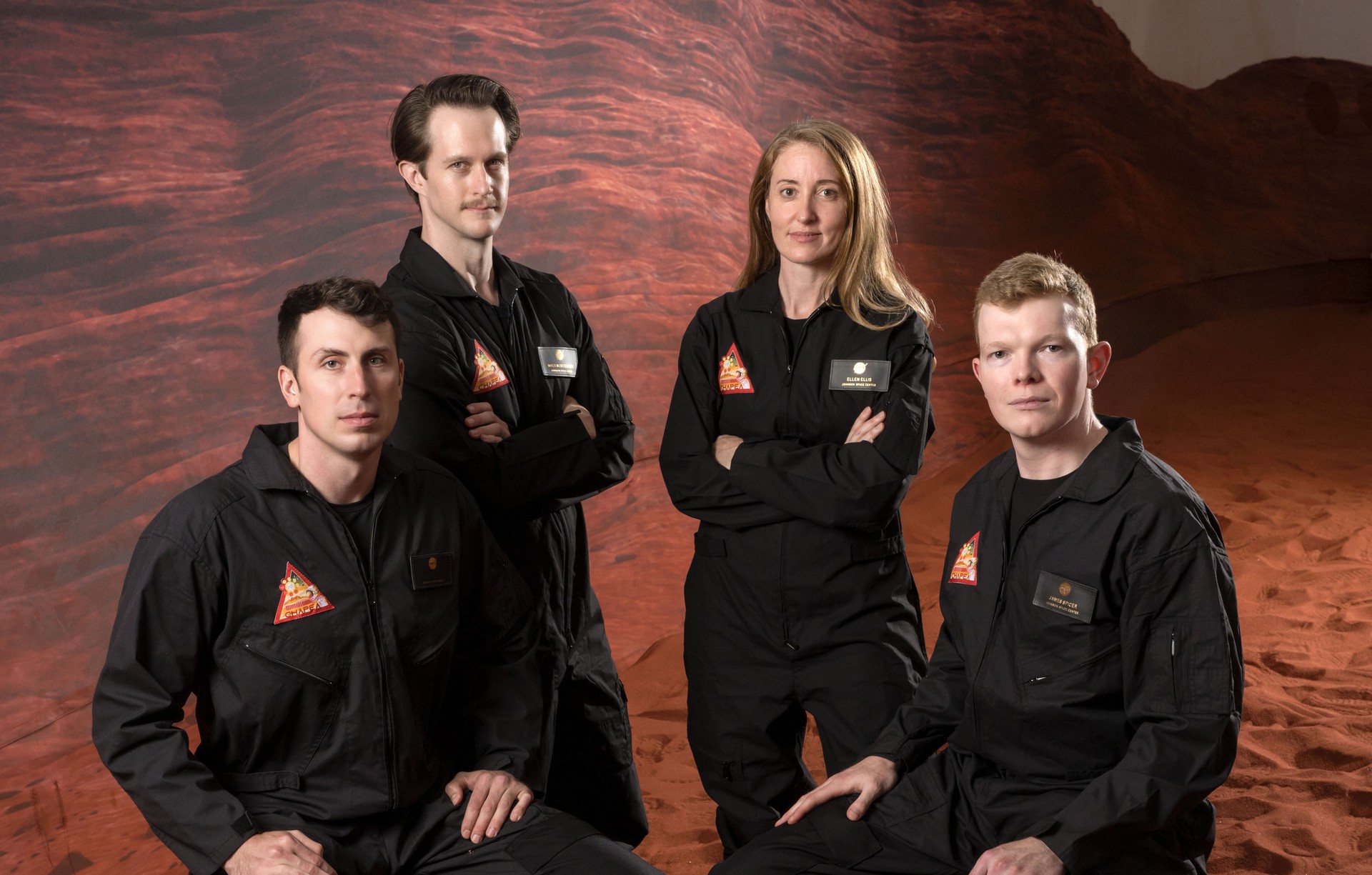
NASA scheduled four volunteer crew members in CHAPEA Mission 2 to exit their simulated Mars habitat on October 31, 2026. According to the agency’s October 27, 2026 media advisory, the departure marks 378 days of isolation in Houston. Specifically, the second Crew Health and Performance Exploration Analog mission began at Johnson Space Center on October 19, 2025. Furthermore, NASA planned live exit coverage starting at 3 p.m. EDT on October 31 across NASA Johnson’s YouTube and social accounts.
During the exit ceremony, NASA scheduled remarks from Johnson Center Director Vanessa Wyche and astronaut Jack Hathaway. In addition, the agency slated the four CHAPEA Mission 2 volunteers, Ross Elder, Ellen Ellis, James Spicer, and Matthew Montgomery, to speak. Outside the hangar holding the facility, NASA also arranged a live screen for attending reporters. Afterward, an in-person subject matter expert would answer media questions as the crew stepped outside.
Inside the 378-day CHAPEA Mission 2 habitat simulation
Throughout the 378-day simulation, the four volunteers lived and worked inside a 3D-printed, 1,700-square-foot facility at Johnson Space Center. Inside that habitat, the crew simulated Mars mission operations and conducted simulated spacewalks. Moreover, they grew plants, exercised daily, and performed regular habitat maintenance. At the same time, the crew operated under stressors that future deep space astronauts will likely face. Those mission stressors included isolation, resource limitations, and communication delays.
According to NASA, health and performance data from the simulation can help counter human spaceflight risks. In particular, those insights support future Artemis and Moon Base missions. For example, researchers can use the data to optimize food system design and efficient use of crew time. Beyond that, the findings help manage bandwidth on NASA’s Deep Space Network and refine deep space living systems. Similarly, flight doctors and psychologists can strengthen spaceflight medical care and behavioral support practices.
Transition to the integrated Moon and Mars analog
Meanwhile, NASA is already recruiting participants for its next yearlong ground study at Johnson Space Center. In a July 1, 2026 notice, the agency announced the Moon and Mars Exploration Analog, beginning no earlier than August 2027. That approximately year-long mission merges elements of the Human Exploration Research Analog (HERA) and CHAPEA into one integrated simulation. Specifically, volunteers will use the HERA habitat as a spacecraft and the CHAPEA habitat as a planetary base.
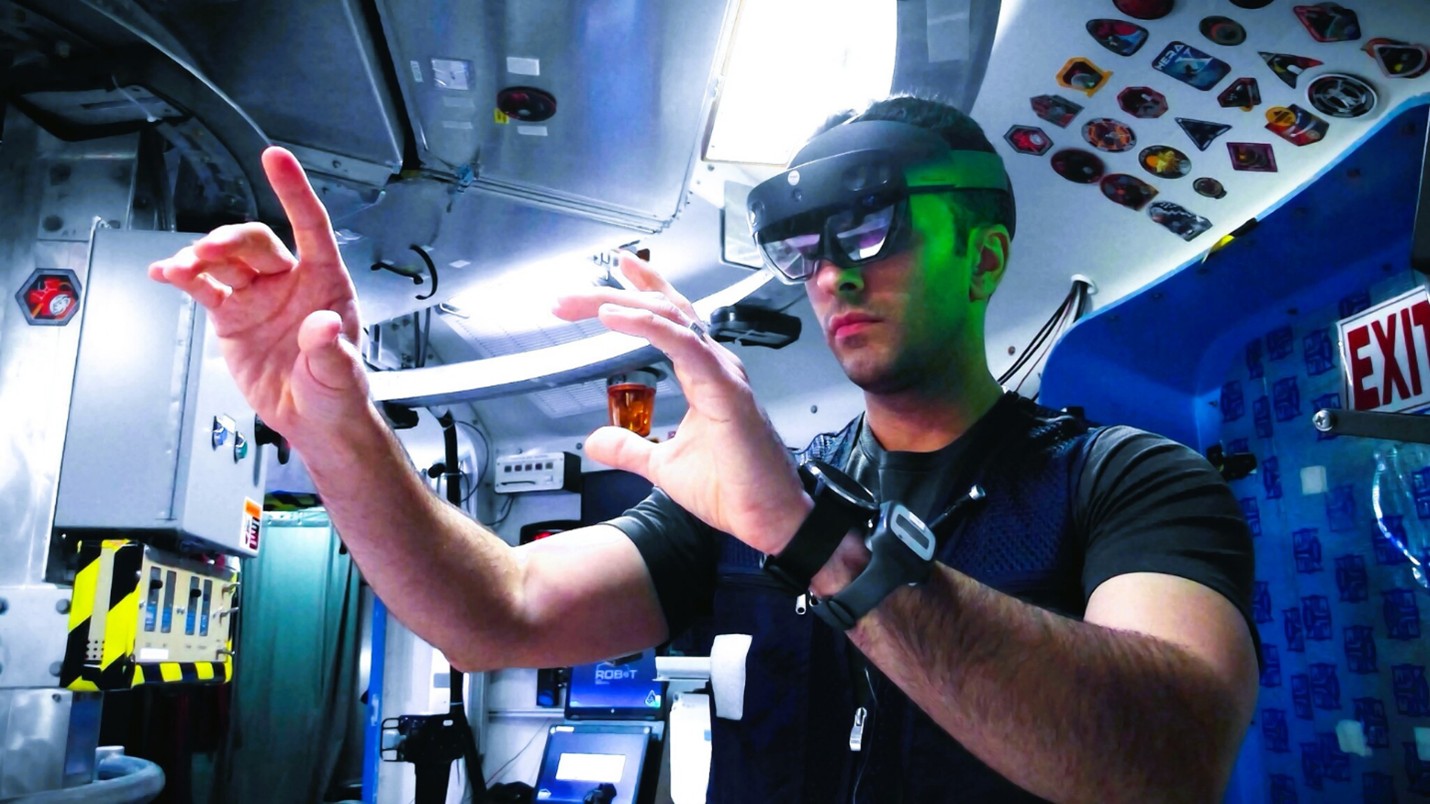
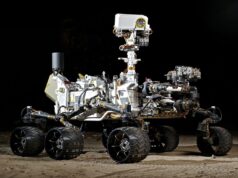
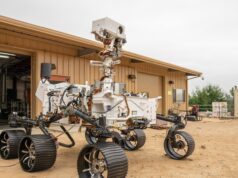
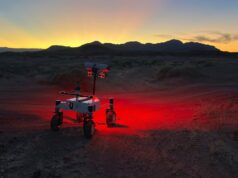
Consequently, future participants will simulate months-long flights alongside surface operations such as mock Mars walks. They will also drive a rover to exploration sites beyond the main habitat and use augmented reality goggles for astronaut-like tasks. To qualify, applicants must meet physical and education requirements and complete a multi-day selection process. Candidates must also pass NASA’s physical and psychological assessments. However, the releases do not state when NASA will publish CHAPEA Mission 2 findings or specify an exact August 2027 start date.