


























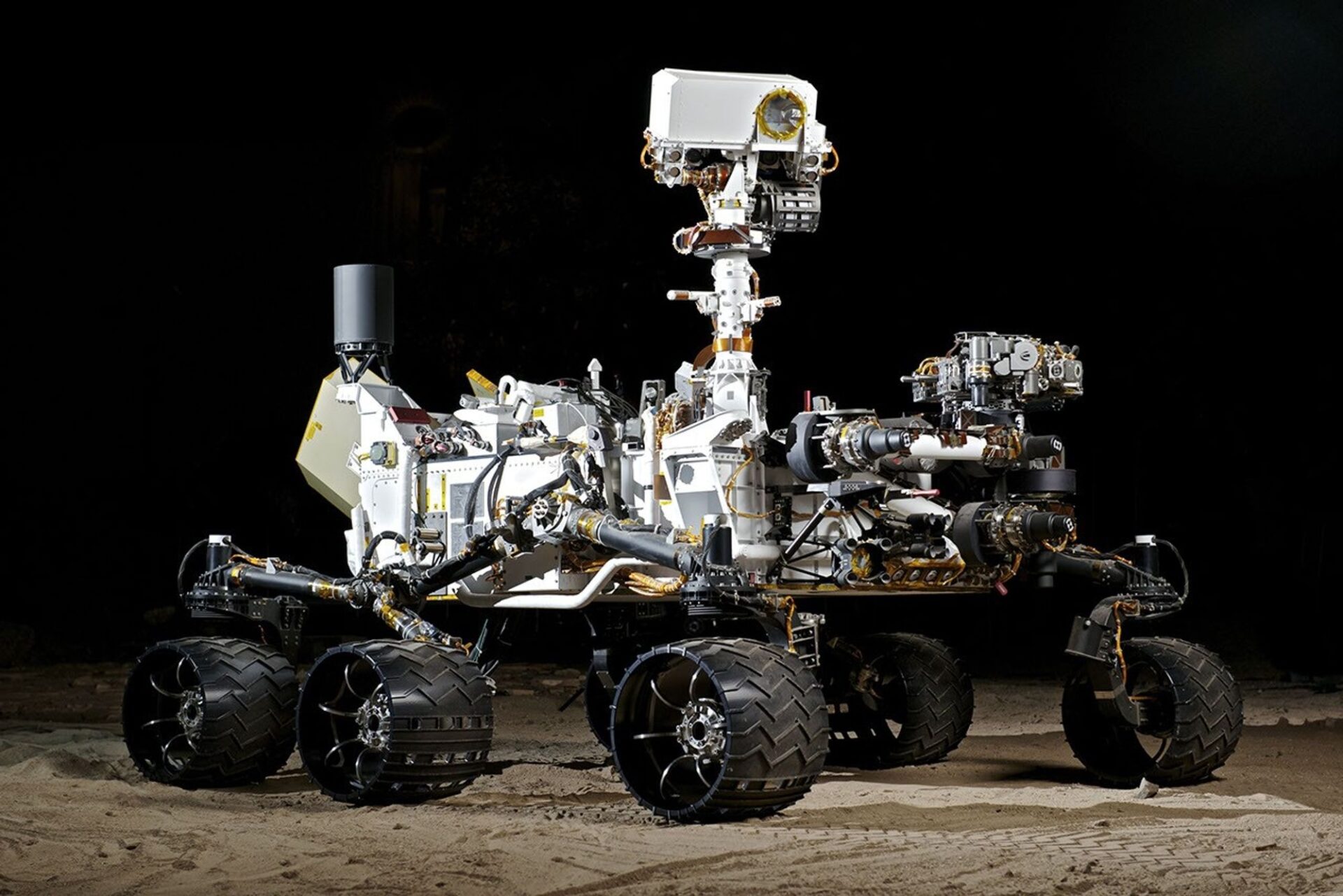
The NASA PROMISE rover concept would put a hybrid of the agency’s Mars rover testbeds on the Moon. It is still early planning, not a locked launch. Even so, the idea shows how hard NASA is pushing hardware reuse for its Moon Base program.
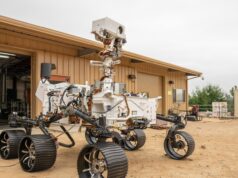
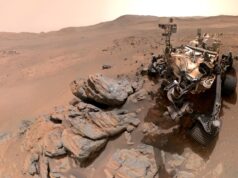
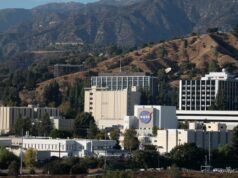
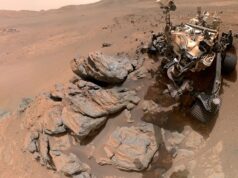
PROMISE stands for Polar Rover for Observation, Mapping, and In-Situ Exploration. NASA describes it as a hybrid of the engineering development versions of Curiosity and Perseverance. Those twins live at JPL’s Mars Yard. Teams test drive paths and software there before commands go to Mars.
Why a Mars testbed for the Moon
Administrator Jared Isaacman framed the pitch as stretching hardware taxpayers already paid for. Curiosity and Perseverance have years of surface ops behind them. So he asked a simple question: what if one of those Earthbound twins went to the Moon instead?
“We’ve had years now of experience operating the two rovers on the surface of Mars, and we’ve got this hardware that the taxpayers have invested a lot in,” Isaacman said. “So the question was posed: ‘What if we send it to the moon?'”
The target would be the lunar south pole. Water ice there could support a future base. PROMISE would help map the surface and subsurface. It could also scout hard-to-reach terrain for Moon Base ops.
Nuclear power changes the map
NASA wants PROMISE to carry a multi-mission radioisotope thermoelectric generator, or MMRTG. That unit turns heat from plutonium decay into electricity. The rover would not need sunlight to keep working.
“For moon-based objectives, having a nuclear RTG on it allows us to go anywhere we want, regardless of the illumination,” said Carlos Garcia-Galan, program manager for the Moon Base project. Surviving the long lunar night is a major challenge for solar robots. An MMRTG would largely remove that limit and open longer traverses.
Not flight-ready – and not free
PROMISE is still a concept. Perseverance’s testbed, once called OPTIMISM, was built for Earth use. It plugs into lab power and wired communications. It lacks a full flight thermal system. It also lacks space-rated science instruments, a flight comms package, and an MMRTG.
Lunar dust is also harsher than Mars dust in key ways. Components need qualification for vacuum, radiation, and abrasive regolith. NASA has not published a full flight-upgrade plan yet.
Independent analysis from The Planetary Society puts a rough price band of about $700 million to $1.3 billion if the idea moves ahead. Launch looks more likely in the early 2030s than late this decade. Those figures are outside estimates, not an official NASA budget line. The group also notes that converting a garage test article is very different from reusing flight-stored hardware.
Part of a wider Moon Base push
The PROMISE preview landed in the same June 30 package as nearly $600 million in commercial lunar deliveries. Astrobotic, Firefly Aerospace, and Intuitive Machines won late-2028 surface missions carrying NASA science. That cadence is meant to build Moon Base infrastructure faster.
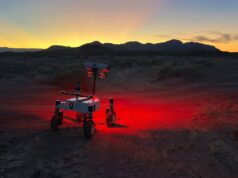
The idea also sits next to other NASA rover work on Tech My Money. That includes the ERNEST lunar rover concept and the crew path for Artemis III. PROMISE would be a heavier, nuclear-powered scout rather than a small solar lander payload.
For now, PROMISE is a serious option under study – not a scheduled launch. If engineers can flight-qualify enough of the existing hardware, NASA would gain a capable polar explorer without building a Mars-class rover from scratch. If the upgrade bill climbs, the “free hardware” story will look a lot less free.