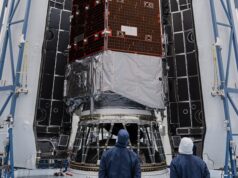



























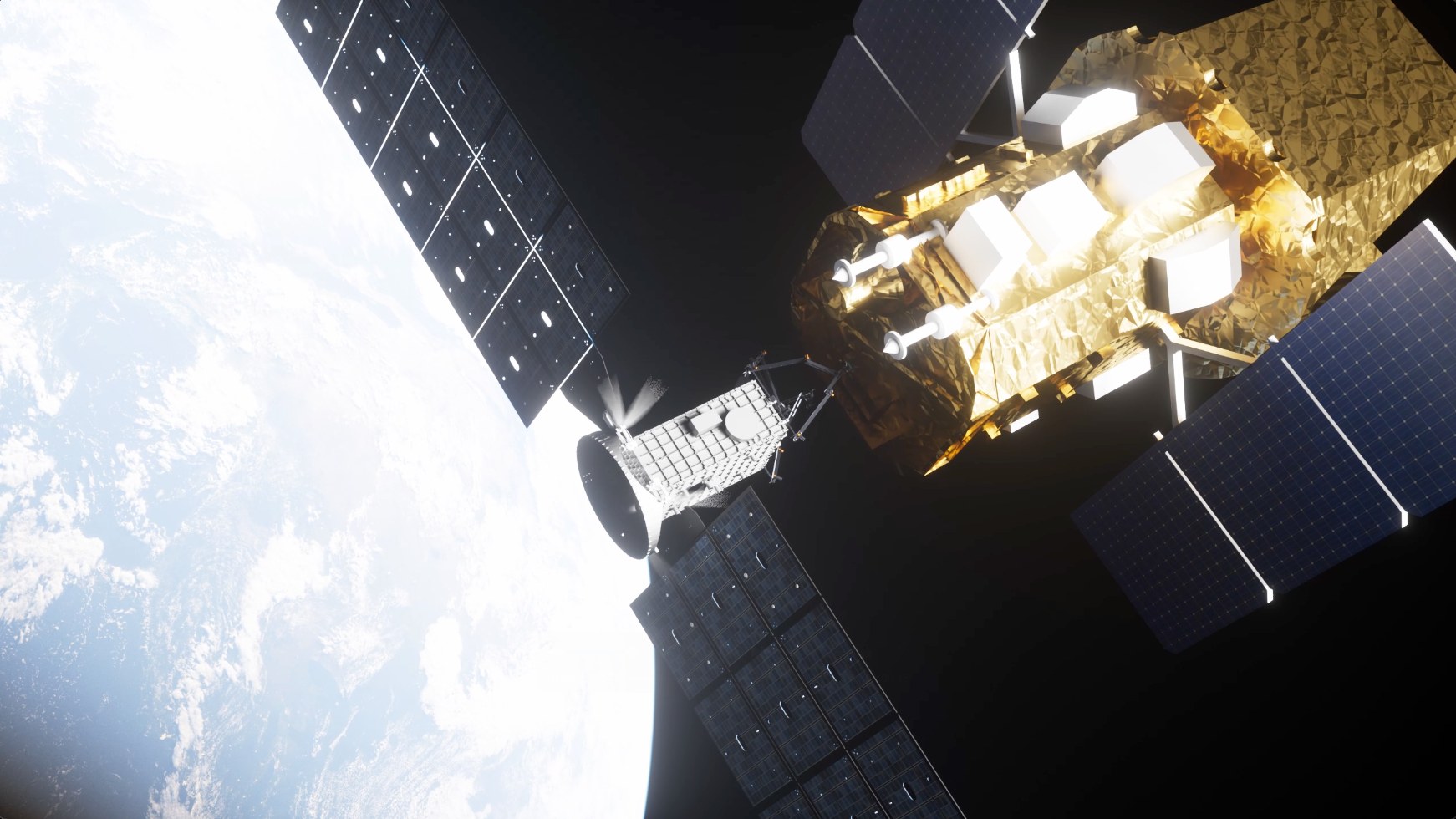
NASA’s Swift rescue mission is finally off the ground. In the early hours of July 3, a Northrop Grumman Pegasus XL rocket lifted off from Kwajalein Atoll in the Marshall Islands. Inside sat LINK, a small robotic spacecraft from Arizona startup Katalyst Space. Its target is the Neil Gehrels Swift Observatory, a 21-year-old telescope that is slowly falling out of orbit.
Hours later, NASA shared even better news. Ground teams made contact with LINK, and the spacecraft is now working through its first activities in orbit. As a result, one of the most unusual rescue jobs in spaceflight history is officially underway.
An Air Launch Over the Pacific
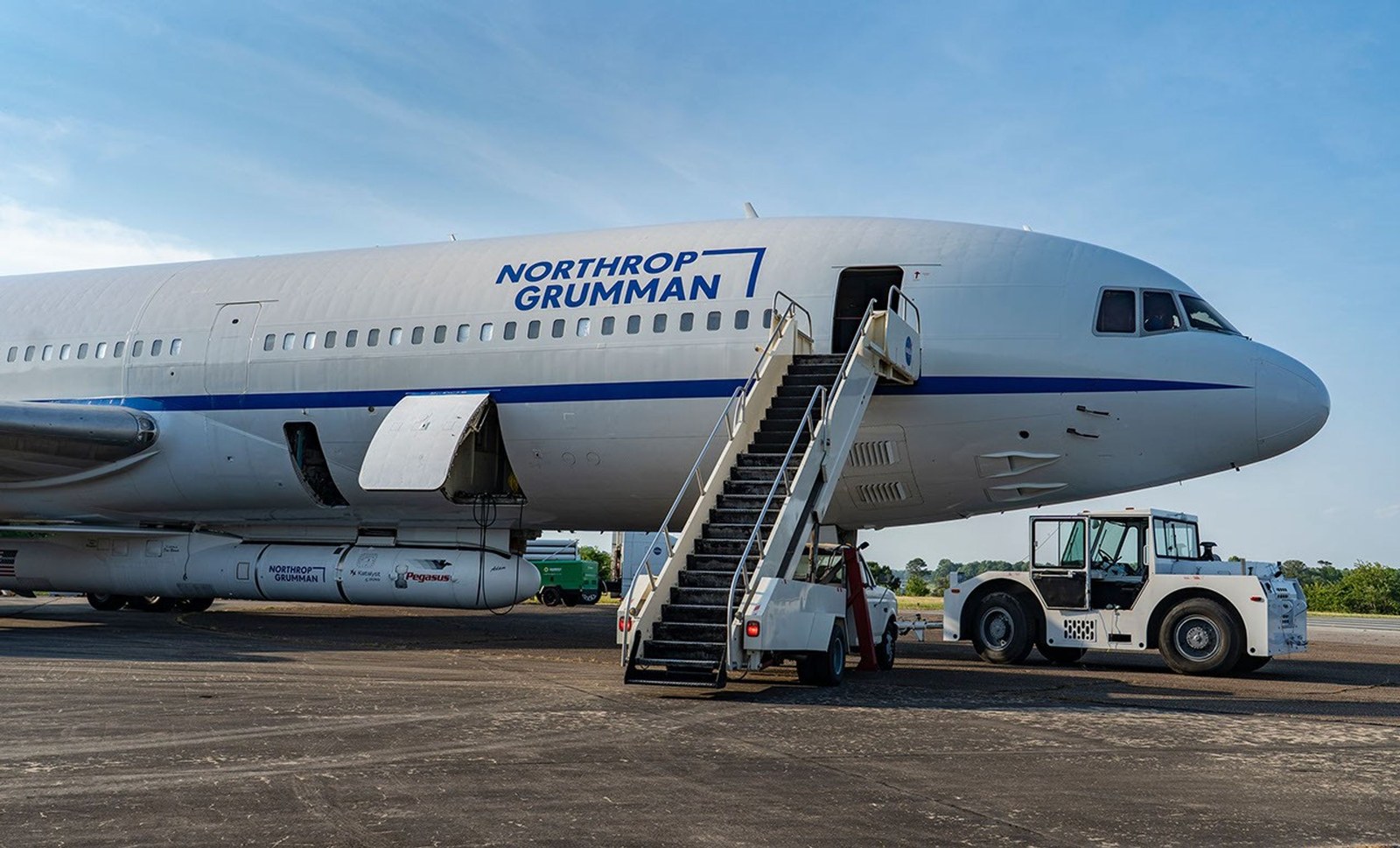
Pegasus XL does not climb off a launch pad. Instead, Northrop Grumman’s Stargazer, a modified L-1011 airliner, hauls the rocket to about 40,000 feet and releases it mid-flight. The rocket then ignites and makes its own way to orbit. This time, the drop came at 4:36AM ET on July 3, which was 8:36PM local time over the Pacific.
Getting there took patience. First, Stargazer and its rocket staged at NASA’s Wallops Flight Facility in Virginia on June 12. Then the aircraft crossed the Pacific and reached Kwajalein Atoll on June 25. Bad weather scrubbed attempts on June 30 and July 1, while a data review pushed a third try. Finally, the July 3 window worked.
Why Swift Needs a Rescue
Swift launched back in 2004 to hunt gamma-ray bursts. Principal investigator Brad Cenko describes them as short-lived flashes that release more energy in a few seconds than the sun will in its entire lifetime. Over 21 years, the observatory has become one of NASA’s most productive astrophysics workhorses.
However, the sun itself is now the problem. Recent solar activity has puffed up Earth’s upper atmosphere, and the extra drag is pulling Swift down faster than anyone expected. Without help, NASA says, the telescope would fall from orbit by the end of 2026. Because of that deadline, the agency hired Katalyst in September 2025 to fly a first-of-its-kind commercial boost. The contract also fits a wider push toward orbital servicing, which NASA underlined in June when it tested a cryocoupler for in-orbit spacecraft refueling.
Grabbing a Telescope With No Docking Port
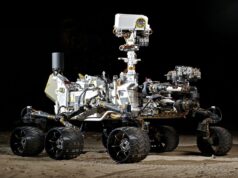
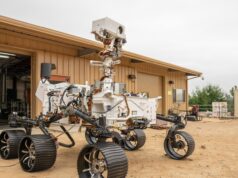
Here is the hard part. Swift was never built for servicing, so it carries no docking port and no grapple fixture. Instead, LINK will rely on its robotic arms. During a careful approach, the spacecraft will first photograph the observatory’s possible grab points. After that, Katalyst and NASA teams will study the images and confirm where the arms can safely latch on.
NASA describes the rendezvous and capture as a slow and careful process that should take about a month. Once LINK has a firm grip, it will spend several months gently pushing Swift back toward its original altitude. Then it will let go and leave the observatory to get back to work.
What Happens Next
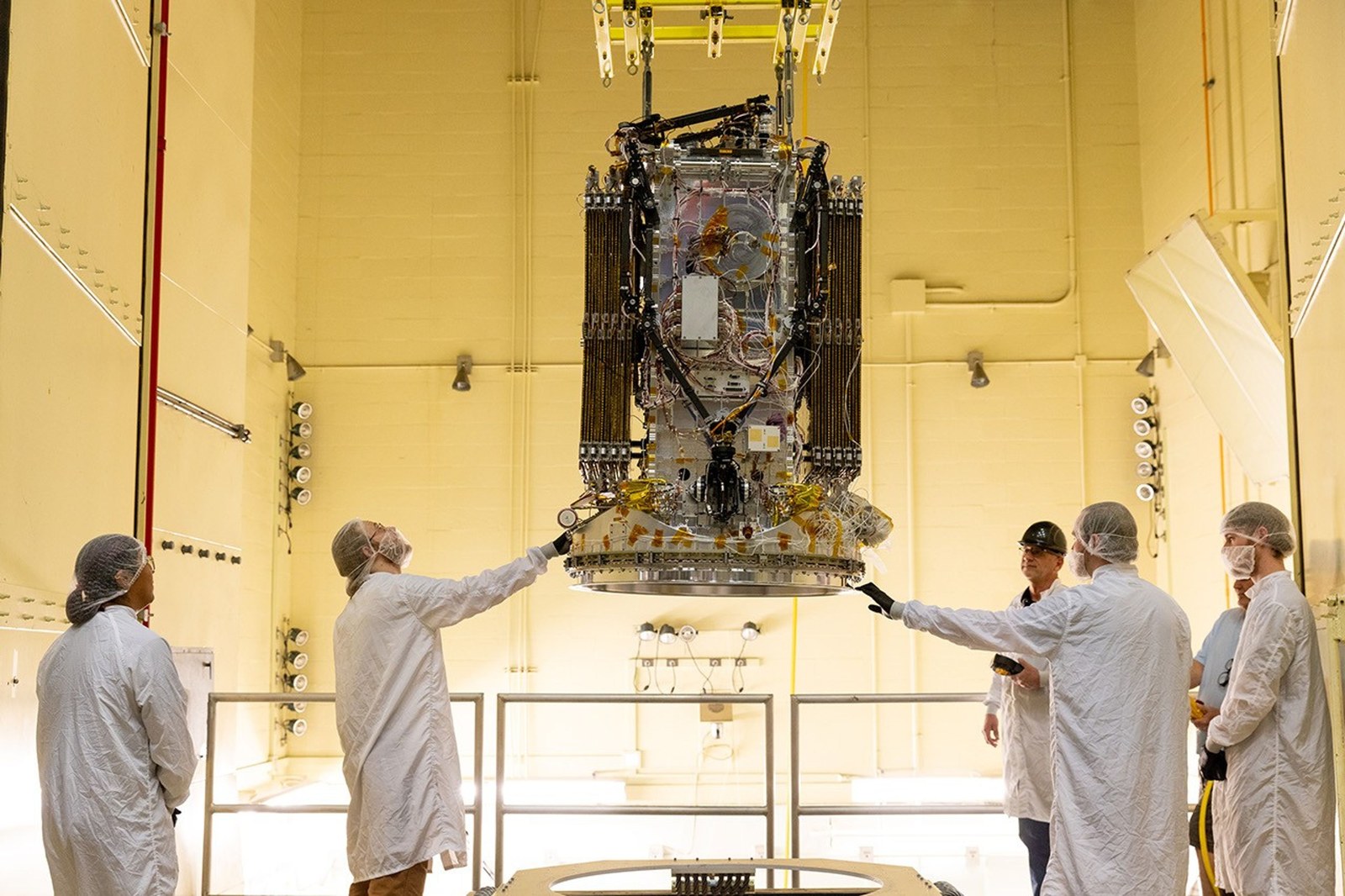
For now, LINK faces several weeks of checkouts covering its propulsion, sensors, and navigation systems. Only then will it begin the climb toward Swift. If everything holds, science operations should resume about a month after the boost ends. In that case, the observatory could keep watching the sky well into the 2030s.
The stakes reach beyond one telescope. A clean capture would prove that a commercial robot can rescue an aging satellite that was never designed for it. Meanwhile, NASA’s astrophysics lineup keeps growing, with the Roman Space Telescope set to launch on August 30. Saving Swift keeps a proven gamma-ray hunter in that fleet for a fraction of the cost of replacing it.