






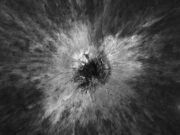




















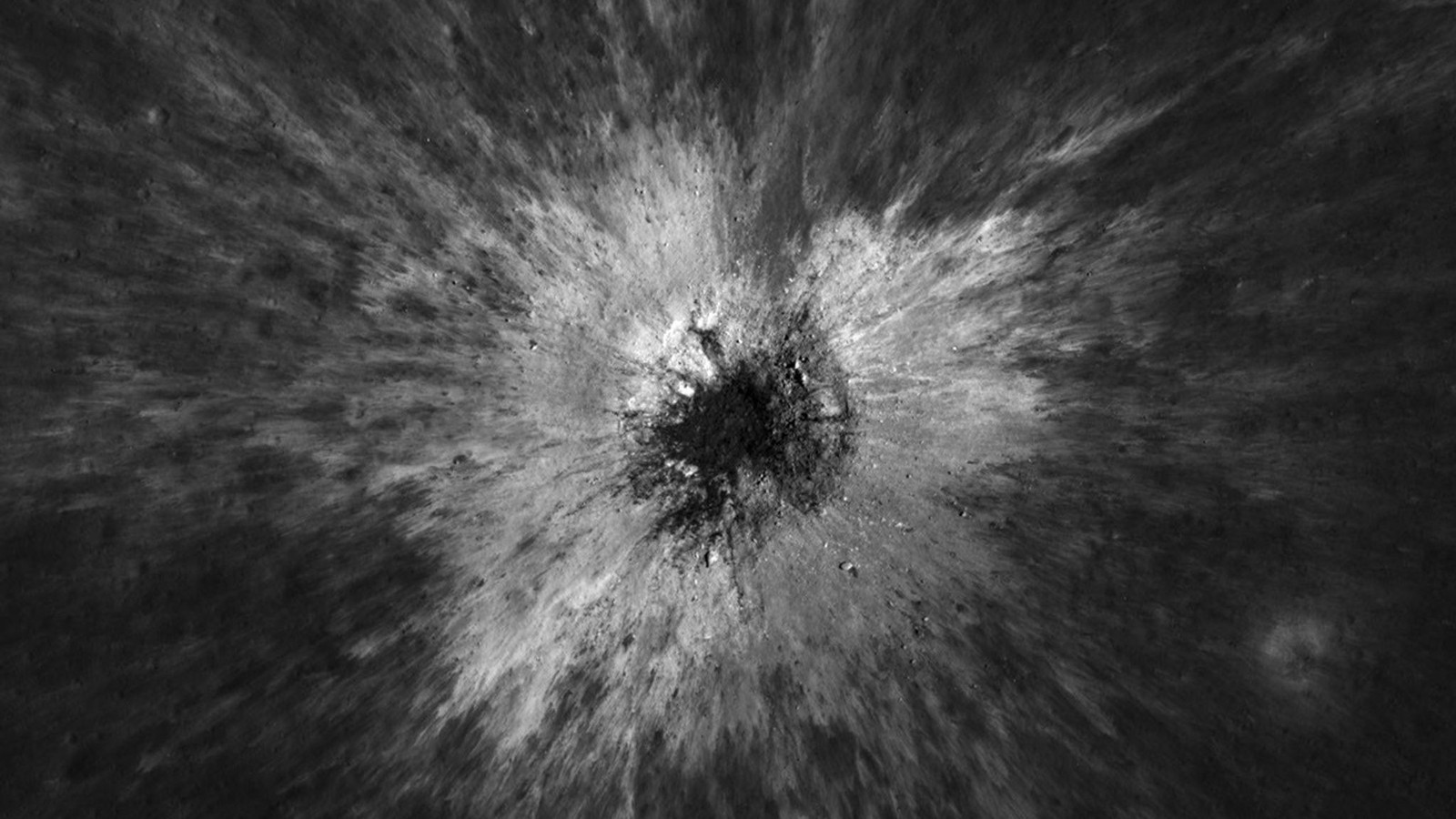
McGetchin crater is the largest newly formed crater ever found in the solar system. NASA’s Lunar Reconnaissance Orbiter caught it by accident. A comet or asteroid the size of a three- to six-story building hit the Moon’s eastern edge between April 11 and May 22, 2024. NASA says an impact this big happens on the Moon about once a century, or even less often.
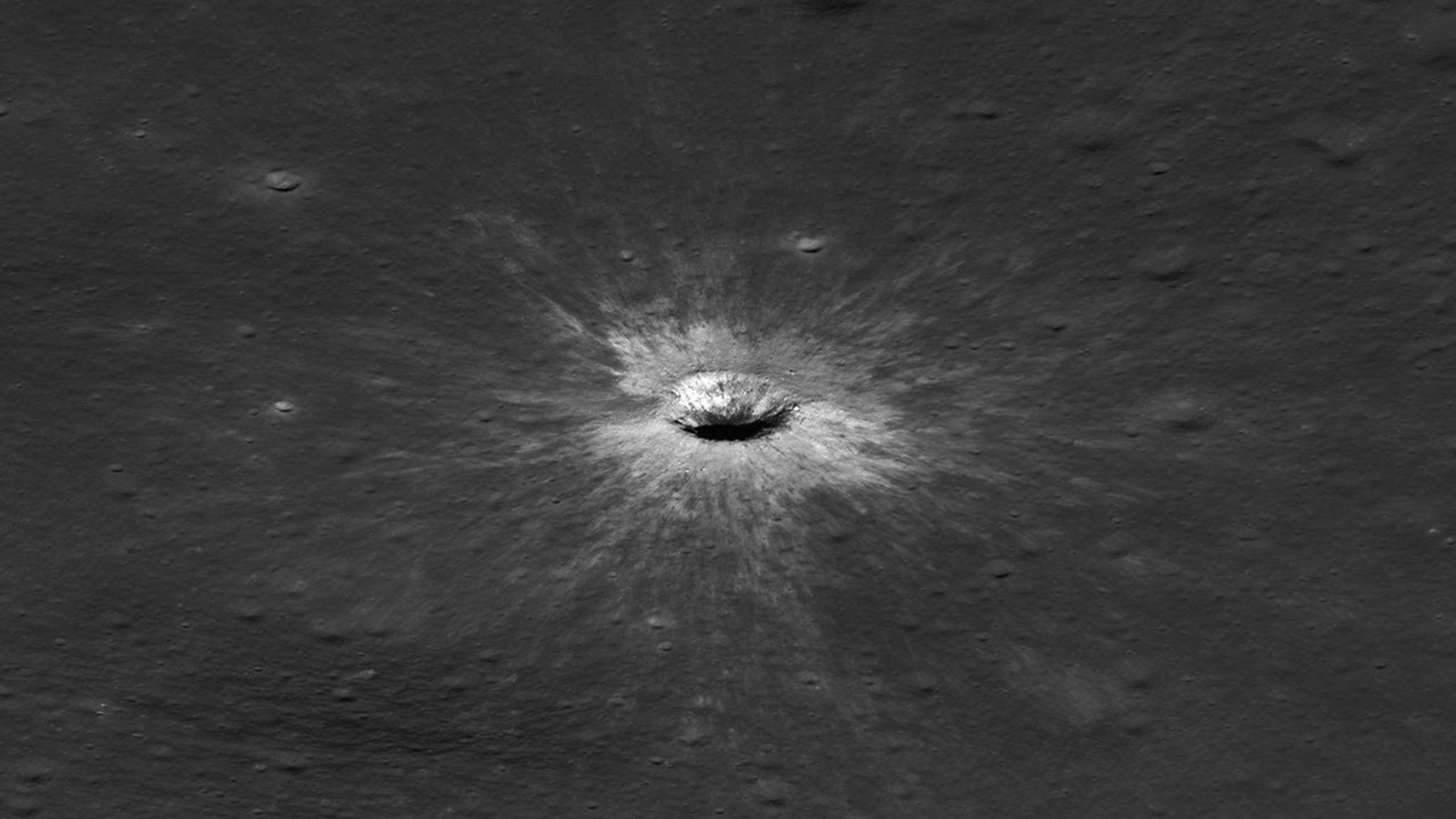
The hole it left is 728 feet wide and 141 feet deep. In other words, it spans two football fields and could swallow three school buses stacked on end. Scientists described it this week in two papers in Science Advances. The crater now carries the name of Tom McGetchin, a pioneering lunar scientist.
How McGetchin crater was found
Robert Wagner spotted it on October 24, 2025. He is an image-processing specialist from Intuitive Machines who works on the orbiter’s camera team. That day, he was running a routine data-quality check on a global change map, not hunting for craters. The map stacks hundreds of Wide-Angle Camera frames taken years apart. Anything unchanged turns gray, and anything new shows up bright or dark.
“I just stopped, dropped everything, and started looking into what that spot was,” Wagner said. The software normally throws up hundreds of false alarms from small shifts in lighting. However, this one spanned hundreds of pixels. “It was by far the most obvious impact debris pattern I’ve ever seen in one of these images,” he said.
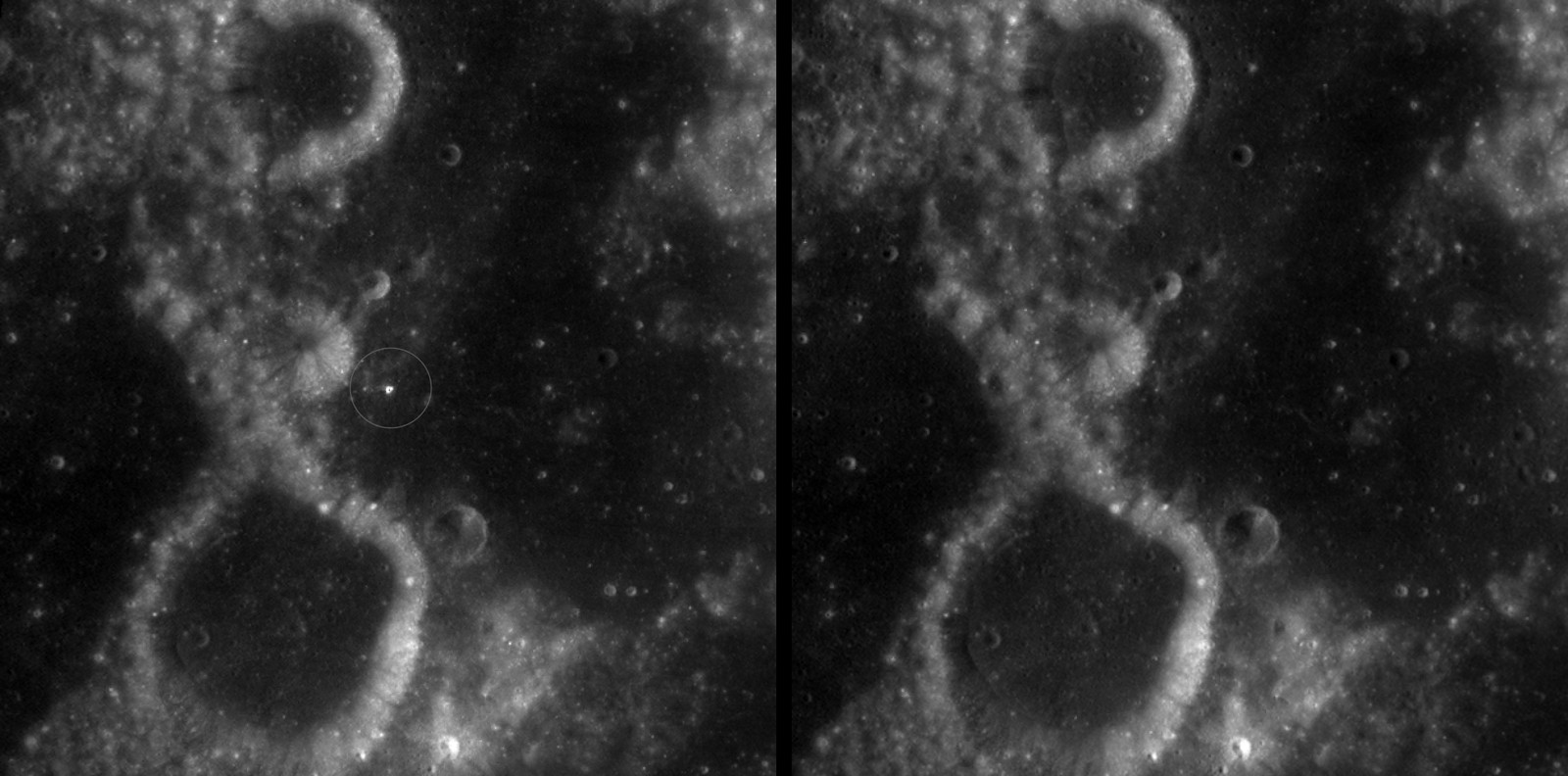
The Wide-Angle Camera sees the Moon in pixels the size of football fields. As a result, the team turned to the Narrow-Angle Camera, which resolves about three feet per pixel. It flew back over the site on December 5, 2025. Then, on March 3, 2026, it shot a side view tilted 55 degrees from straight down. Those images pinned down the crater’s size and shape. A future paper will use them to estimate the size and force of the impactor.
A cold spot four miles wide
The orbiter’s thermal instrument, Diviner, then took a look. Between November 15, 2025, and February 18, 2026, it mapped a four-mile-wide zone around the crater. At night, that zone runs about 16 degrees Fahrenheit cooler than the terrain around it. The second Science Advances paper explains why. The impact fluffed up the regolith, the loose top layer of the surface. Consequently, it is less dense and holds less heat.
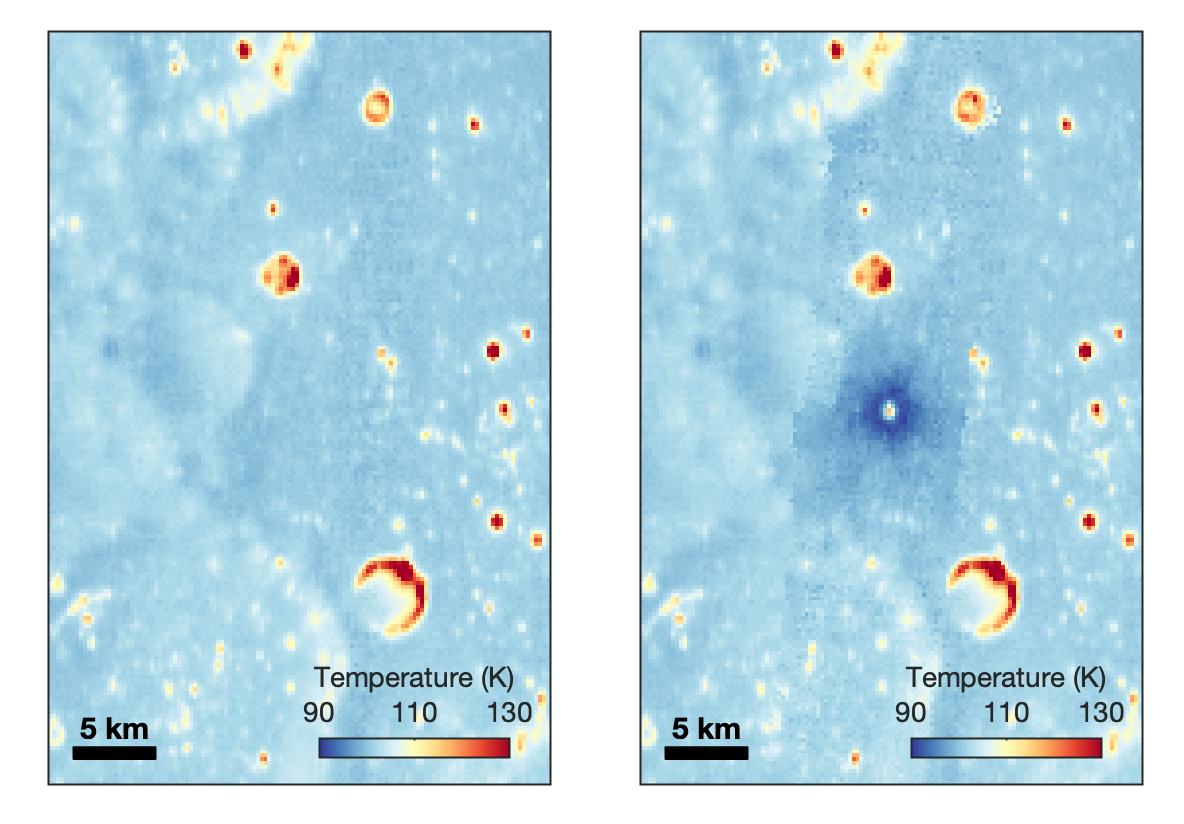
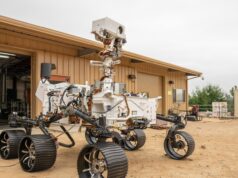
That matters beyond the crater itself. The cold spot shows an impact can change the surface far past its rim. In addition, NASA notes that looser ground could affect how rover wheels grip. It is a useful detail for machines like the PROMISE rover NASA may send to the Moon.
The Moon takes hits all the time
McGetchin is rare because of its size, not because impacts are. With no atmosphere to burn up incoming rocks, the Moon gets hit constantly. Over more than 17 years in orbit, LRO’s team has logged at least 1,000 new craters. It has also flagged 100,000 more surface changes. The smallest craters it can pick out are about 30 feet wide, made by rocks the size of a monster-truck tire. Scientists estimate about 140 of those form every year.
Meanwhile, the discovery is a reminder that the orbiter, launched in 2009, still earns its keep. Its maps have revealed landslides, landers, seismic faults and hints of lava tubes. Likewise, they will help NASA plan for the Artemis III crew and everything that follows. Still, the next McGetchin-sized strike could be a century away, so this one will get studied for a long time.