






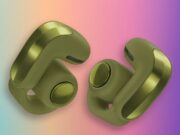















Circular Ring 2 is getting a job beyond tracking last night’s sleep. Circular says its new blood pressure feature estimates systolic and diastolic pressure in roughly 60 seconds. The update brings free, on-demand readings to the company’s existing smart ring. However, it still needs a conventional cuff for calibration, and Circular describes the results as wellness estimates.
That’s an interesting upgrade for something already sitting on your finger. Instead of buying another wearable, Ring 2 owners get another use for its ECG and optical sensors. The appeal is convenience between cuff checks, with some important limits on what those numbers can tell you.
How Circular Ring 2 gets a blood pressure estimate
A ring cannot inflate around your arm like a blood pressure cuff. Instead, Circular combines two signals: the heart’s electrical activity through ECG, and an optical pulse signal through photoplethysmography, or PPG.
Specifically, the system times the gap between the ECG signal and the pulse arriving at the finger. Circular calls this Pulse Wave Transit Time, or PWTT. The company uses that timing, together with personal calibration, to estimate blood pressure.
To capture both signals, the wearer lightly touches the ring with a finger from the opposite hand. That contact completes the ECG circuit. Meanwhile, the algorithm looks for 20 consecutive heartbeats that meet its signal-quality requirements. Circular says a session takes about a minute, although movement can make it longer.
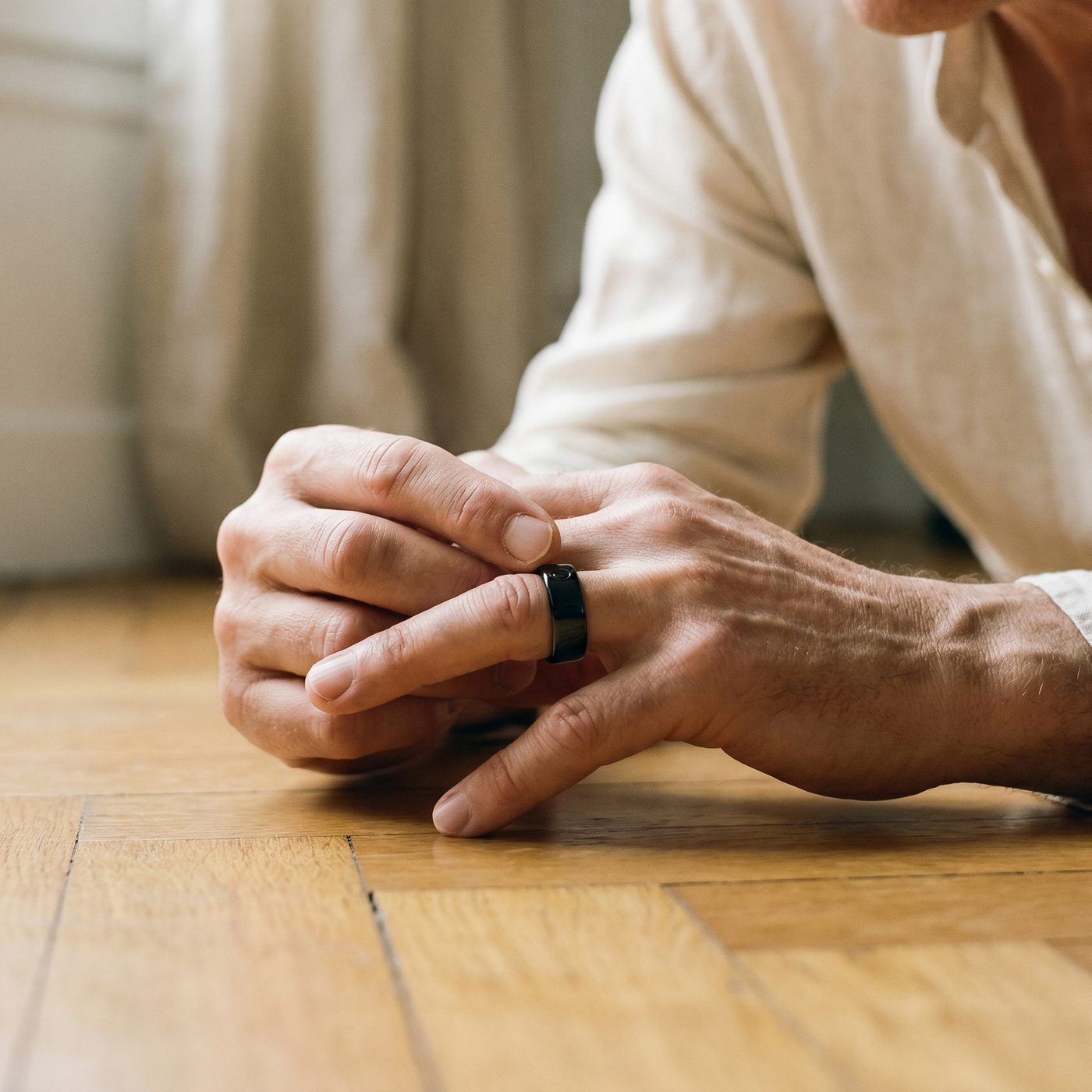
Crucially, this is a deliberate spot check. The feature does not quietly collect blood pressure readings throughout the day while you forget about it. You need to stop, make contact and let the ring finish.
The cuff stays in the picture
First, users enter three readings from a conventional blood pressure monitor into the Circular app. Those readings give the algorithm a personal reference point. Afterward, Circular calls for another cuff reading every 30 days to recalibrate the estimate.
In other words, the product reduces how often a cuff enters this particular workflow; it does not remove the cuff entirely. That distinction deserves more attention than the phrase “cuffless monitoring” usually gets.
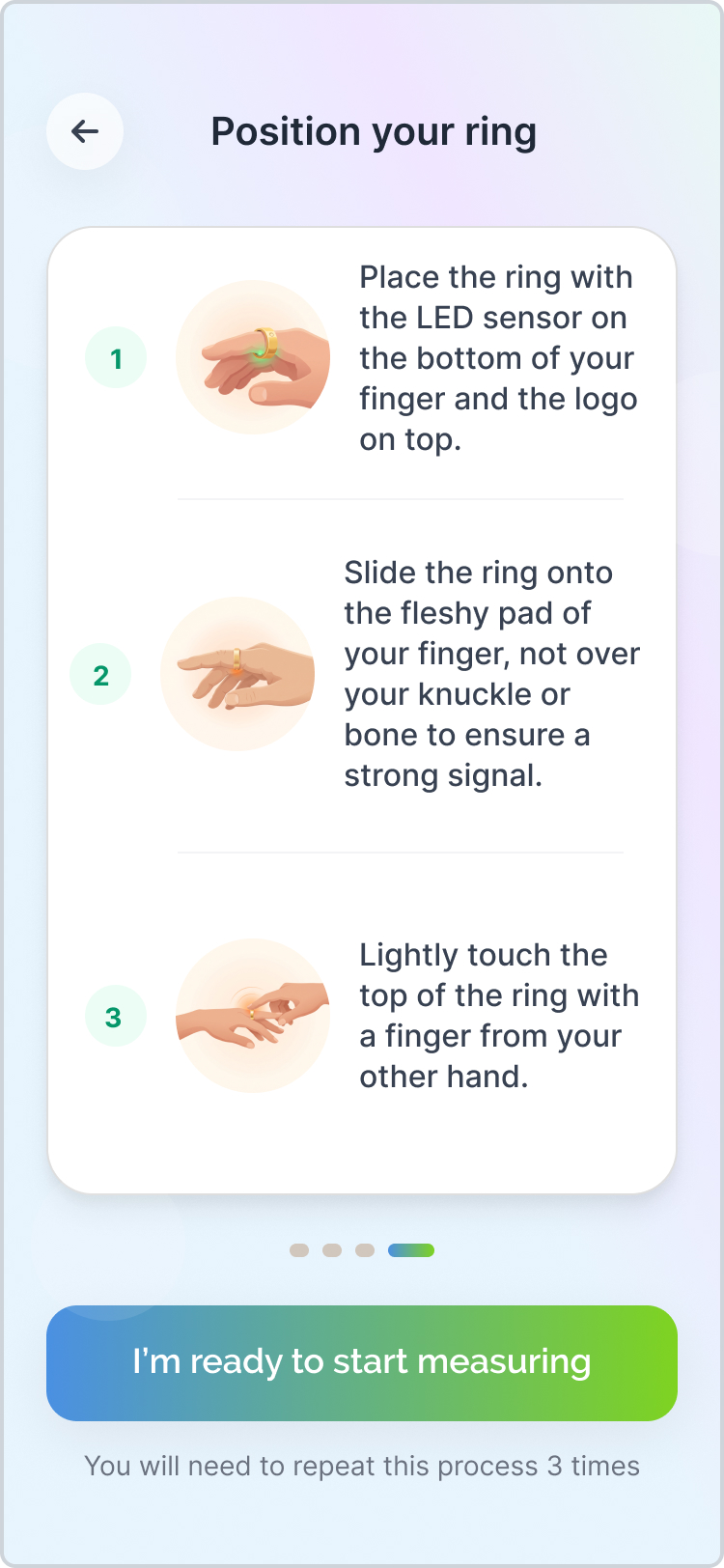
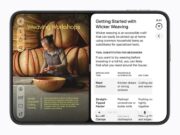
Circular also builds preparation and positioning guidance into the app. Its instructions cover resting before a reading, sitting with support and keeping the hand still. The screenshot above shows the ring placement and opposite-hand contact the measurement requires.
However, a clear setup process is not proof of accuracy. The announcement does not provide a clinical error range or an independent validation study for this released feature. Those are questions we would want answered before drawing conclusions about performance.
Free readings now, premium analysis later
The free feature includes unlimited measurements, a daily average and a list of that day’s sessions, according to Circular. In addition, the app shows how historical results fall across its blood pressure categories and supplies educational context.
However, “free” does not cover every planned feature. Circular says longer-term analysis, time in a target range and a shareable doctor PDF remain in development. Those advanced tools will require payment or Circular Coins. The company says the core blood pressure measurement will stay free.
Meanwhile, the official Ring 2 store lists the ring at $299, against a $349 reference price, as checked September 18. It offers four finishes and access through iOS and Android. Circular also advertises sleep, recovery and activity tracking, alongside its ECG feature and Kira coaching.
A useful idea with an accuracy question to answer
Circular explicitly says these blood pressure estimates must not guide diagnosis, treatment or medication changes. Also, the FDA clearance it cites applies to an ECG classification algorithm. It does not establish clearance or clinical accuracy for this blood pressure feature.
The broader category needs that distinction, too. The FDA warns about unauthorized blood pressure devices, including wearable software, and the risks of inaccurate readings. Readers who need measurements for medical care should discuss an appropriate authorized monitor with their healthcare professional.
Meanwhile, products such as the Vital Signals Signal Ring show how much attention this category attracts. Our earlier look at the ASUS VivoWatch 6 Plus covered another approach to putting more health data on a wearable.
For existing Ring 2 owners, this update adds a concrete new function without a required subscription. Still, the real test is whether the estimates remain consistent between calibrations and useful over time. We have requested a review unit to examine the experience firsthand. This article covers the announcement; we have not yet tested the ring.