














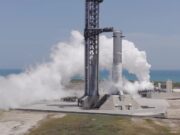







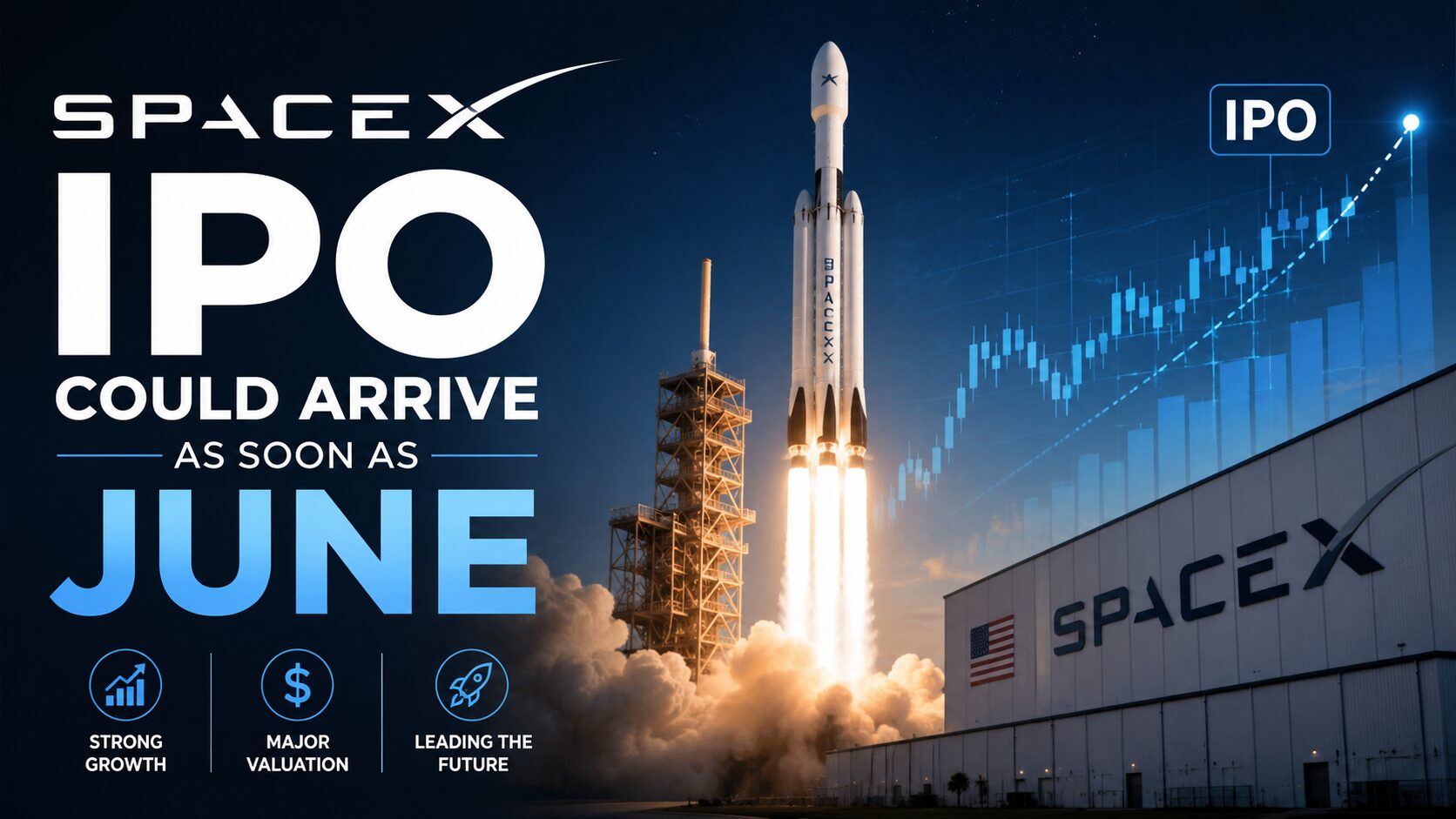
SpaceX IPO rumors are heating up again. Reuters, through MarketScreener, reports that SpaceX is preparing for a possible public listing as early as June, with a potential pricing date around June 11.
SpaceX has not announced an IPO, so this should stay in the reported bucket for now. Still, the idea is big enough to matter. SpaceX is one of the most valuable private companies in the world, and a public listing would instantly become a major market event.
Why investors would care
SpaceX is not just a rocket company anymore. Falcon launches, Starship development and Starlink's satellite internet business all sit under the same larger story. That makes any IPO discussion feel less like a single-product bet and more like a bet on the next decade of space infrastructure.
Starlink would likely be the piece public investors understand fastest. It already connects customers through low-Earth-orbit satellites, while SpaceX's launch business gives the company unusual control over deployment costs.
Wait for the filing
The caveat is simple: until there is an official filing or company announcement, there is no confirmed IPO. Timing can shift, especially for a company as politically visible and operationally complex as SpaceX.
If the report holds, June could get loud quickly. A SpaceX listing would also give regular investors a clearer way to buy into commercial space, something that has mostly been locked behind private markets. For older space-adjacent business context on the site, see our Tesla coverage like Tesla's branded tequila release.
Public markets would also force more disclosure. Investors would want clearer numbers around launch cadence, Starlink subscriber growth, capital spending and Starship costs. That transparency alone would make the space business easier to understand from the outside.
It would also create a rare public benchmark for private-space valuations. Other launch and satellite companies would suddenly have a much larger comparison point, for better or worse.