



























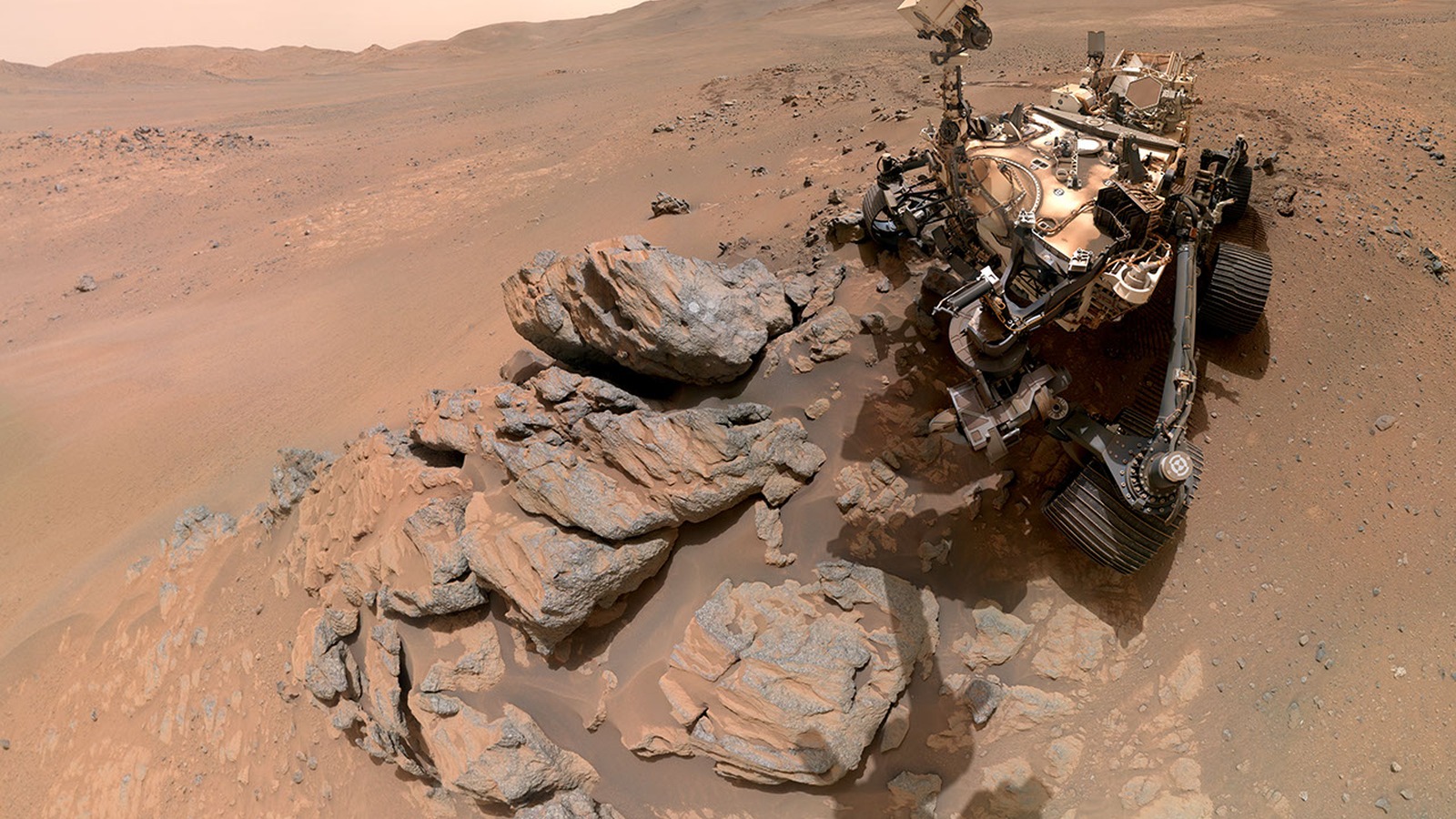
Perseverance Mars selfie season is back, and NASA has another postcard from the Red Planet. The rover snapped a fresh self-portrait from its westernmost stop in Jezero Crater, giving us one more look at a machine that still feels weirdly alive after years on Mars.
The image is the fun part of the story. The less fun part is happening much closer to home. A new University College London-led study warns that pollution from satellite megaconstellation launches and re-entries is building up in the upper atmosphere.
A Mars flex with an Earth problem
NASA says the new Perseverance view shows the rover deep in its western frontier work. It is the kind of image that makes space exploration feel immediate, even when the rover is millions of miles away.
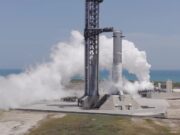
Back on Earth, researchers say the satellite boom needs closer attention. The UCL release says megaconstellation systems could account for 42 percent of the space sector climate impact by 2029. The concern centers on soot, re-entry debris and chemistry happening high above normal weather.
The space industry needs cleaner math
That does not mean satellite internet is bad by default. It does mean the industry needs better accounting. Launches, discarded rocket bodies and dying satellites all leave traces. Some particles can linger much longer in the upper atmosphere than pollution near the ground.
Space keeps giving us reasons to look up. The challenge is making sure the race to fill orbit does not quietly create another cleanup bill. For more space coverage, see our Science/Tech section.
That tension is worth holding together. Robotic explorers need launch systems, satellites and deep-space networks to function. The same industrial chain that makes Mars selfies possible also needs rules that keep Earth's atmosphere from becoming an invisible dumping ground.