






























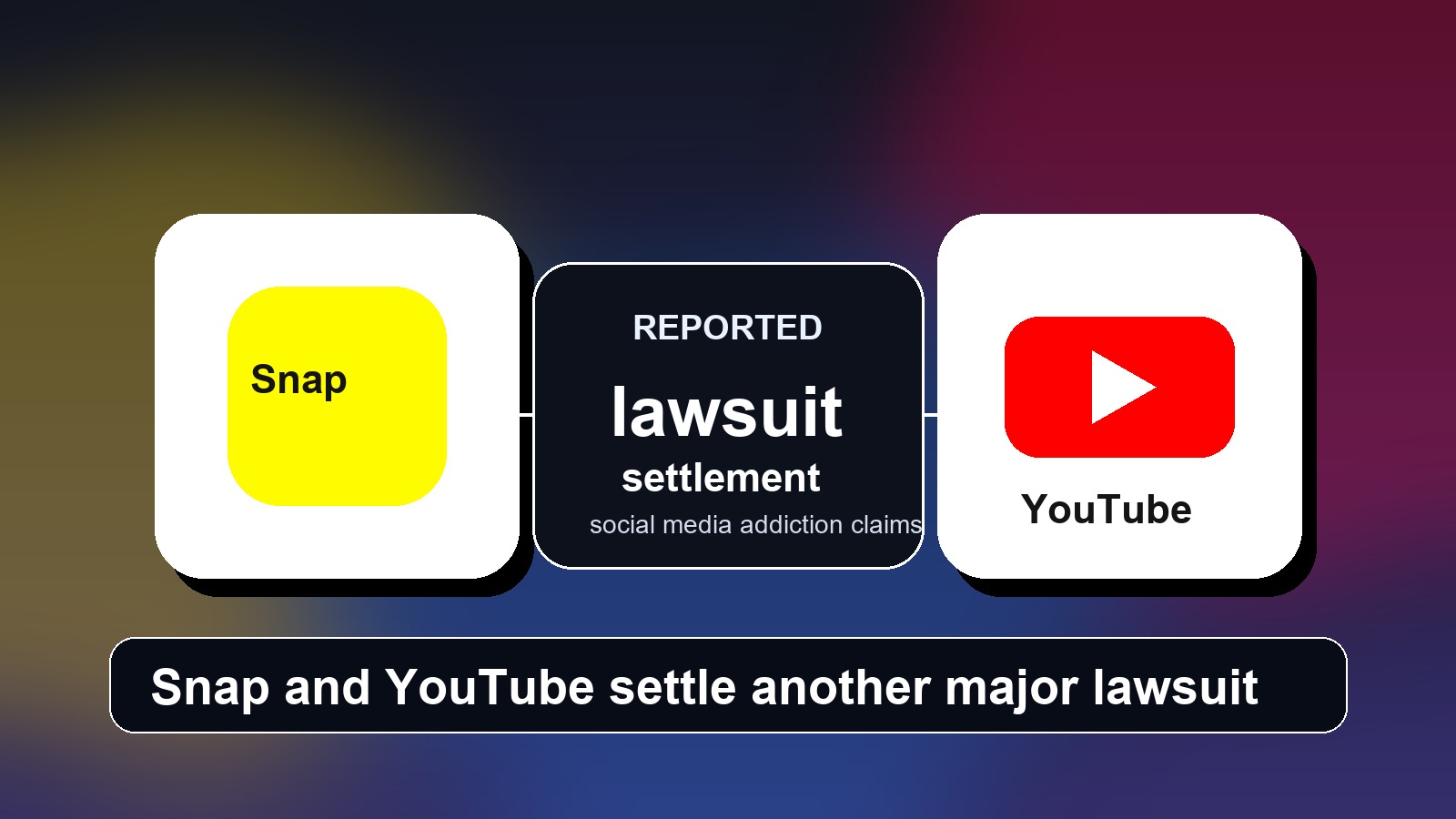
The Snap YouTube lawsuit story has reportedly taken another turn, with both companies settling claims tied to social media addiction.
The case is part of a wider legal fight over how large platforms design products for younger users. The reported settlement does not mean either company admitted wrongdoing. It does show how much legal pressure social apps still face around safety, attention and teen use.
The pressure keeps building
Parents, school districts and state officials have spent the last few years challenging the way social platforms recommend content, reward engagement and keep users scrolling. The claims often argue that design choices can make apps harder for young people to put down.
Snap and YouTube are not alone in that fight. Meta, TikTok and other platforms have faced similar scrutiny. Some cases focus on mental health. Others focus on privacy, moderation or whether app features push minors toward harmful behavior.
The legal details matter, but the bigger story is simpler. Social apps have become core infrastructure for entertainment and communication. Courts and regulators are now asking whether those same products carry design responsibilities that companies avoided for too long.
What users should take from it
A settlement will not suddenly change how YouTube or Snapchat work. Product changes usually come slower than legal headlines. Still, these cases can push platforms toward stronger parental tools, clearer defaults and better safety controls.
We have been watching that same safety tension across tech, from social platforms to AI products like ChatGPT’s Trusted Contact feature. The tools are useful. The guardrails have to catch up.
That is why these settlements are worth tracking even when the terms stay private. They can shape what companies decide to change behind the scenes. If enough cases become expensive or risky, product teams may start treating teen safety and attention controls as core features instead of optional settings.