



























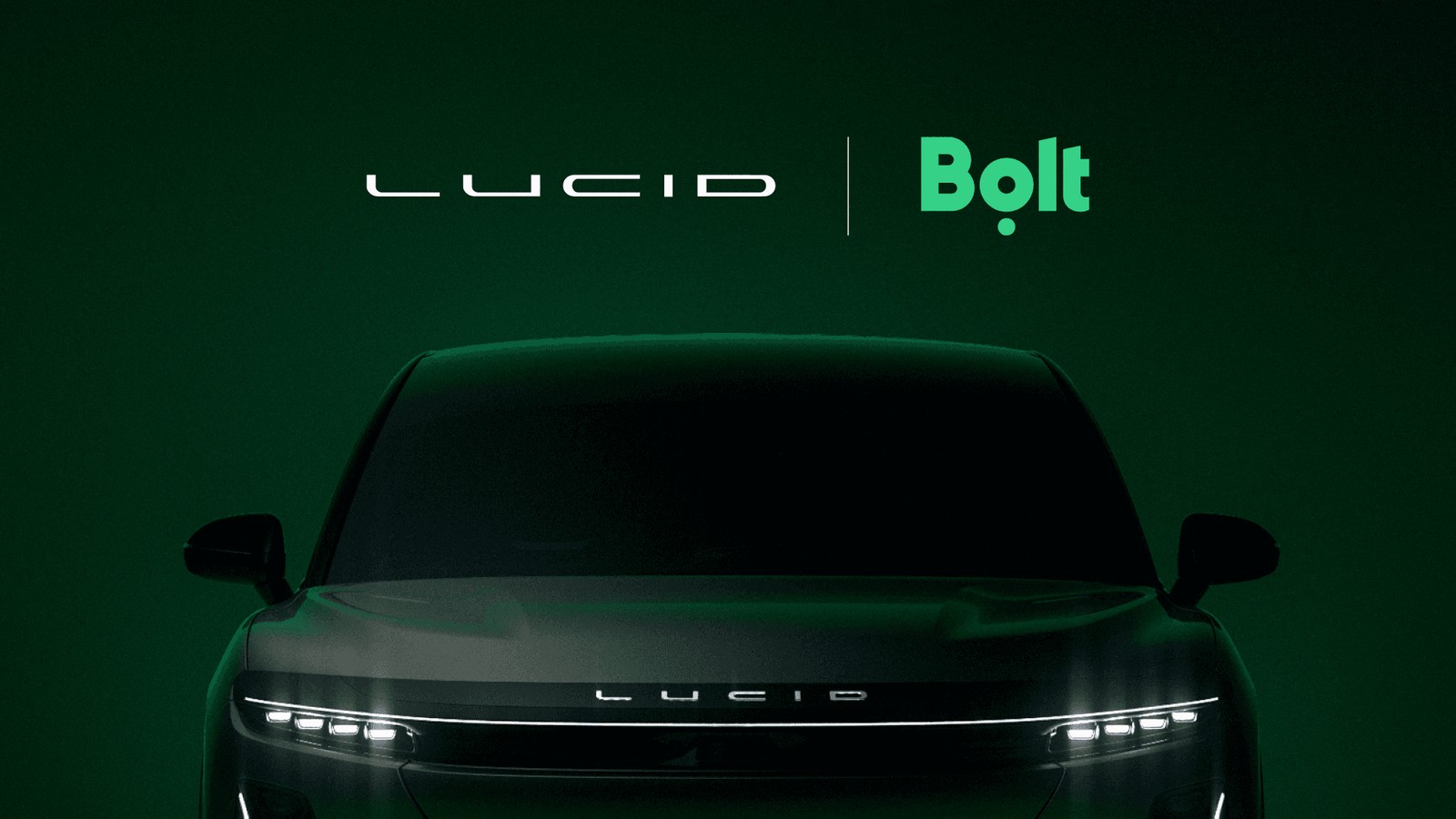
A Lucid Bolt robotaxi fleet is coming to Europe, and it is a big one. Lucid and Bolt announced on September 17 that Bolt aims to deploy at least 25,000 fully autonomous vehicles built on Lucid’s upcoming Midsize platform across European cities and countries. Bolt will own and operate the fleet. However, neither company said when the first cars will carry passengers.
The number is a step toward Bolt’s stated goal of 100,000 autonomous vehicles on its platform by 2035. Bolt, based in Tallinn, Estonia, runs ride-hailing, scooters, e-bikes and car rental in more than 50 countries and 850 cities. In addition, it announced a separate autonomous partnership with Pony.ai only two weeks earlier.
What the Lucid Bolt robotaxi will be
The two companies will co-design the vehicle from the product-development stage as a platform ready for an automated driving system, targeting SAE Level 4. In other words, it should drive itself within defined areas and conditions with no one behind the wheel. Lucid expects the platform to use NVIDIA Hyperion, a reference architecture that pairs high-performance compute with a standardized sensor suite.
Bolt’s Autonomous Driving Solutions unit will lead the program on its side. It will set the vehicle, software, safety and rider-experience requirements. Then it will build the depots, operating systems and city partnerships needed to run the cars. Lucid’s side falls under Lucid Technologies, a newly formed unit that combines the company’s AI, driver-assistance, autonomy and digital work.
“Autonomous driving in Europe requires data, software, vehicles, and operations to work as one system built for European roads and regulation,” said Markus Villig, Bolt’s founder and CEO. Meanwhile, Lucid CEO Silvio Napoli called shared autonomy “the perfect opportunity to extend our unique technology beyond consumer vehicles.”
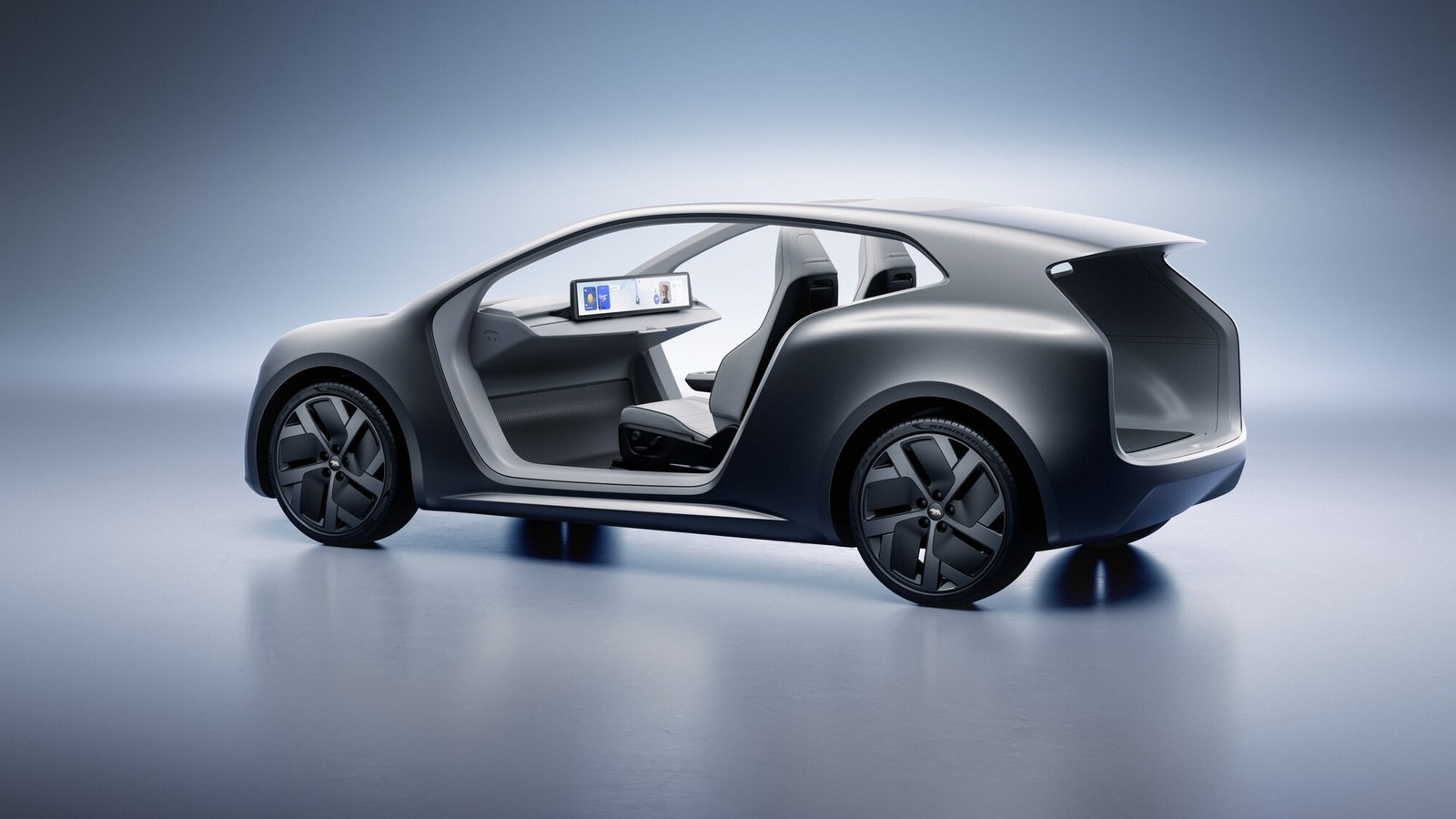
The Midsize platform behind it
Lucid detailed the Midsize platform at its March investor day. It underpins two consumer SUVs, the Cosmos and the Earth, priced from under $50,000, plus a third model still unnamed. Lucid also showed Lunar, a two-seat robotaxi concept built on the same platform. Still, the timeline has slipped. After its August earnings, Lucid said the Cosmos would not arrive until 2027, Electrek reported.
The company is under pressure. It cut about 18 percent of its workforce in June, according to CNBC, a move Lucid expects to save roughly $158 million a year. Its second-quarter results came with what it called an operational reset. “Potential is not performance,” Napoli said at the time. Even so, Lucid named its robotaxi work a top priority.
A second robotaxi bet
Europe is not Lucid’s first robotaxi program. In the US, Uber plans to deploy 35,000 or more Lucid vehicles fitted with Nuro’s self-driving system over six years, starting with the Gravity SUV. Nuro says it is already testing those cars with safety operators in Houston and the San Francisco Bay Area. Houston service is expected in mid-2027, and Lucid says it is finalizing a Midsize deal with Uber at a similar scale.
Meanwhile, rivals are already carrying passengers. Waymo opened in Las Vegas this week, and Tesla’s Cybercab is giving rides in Austin. Lucid and Bolt say they will work with technology partners, regulators and policymakers before any European launch. As a result, the 25,000 figure is an ambition for now, not a schedule.