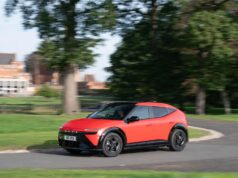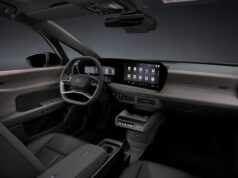






























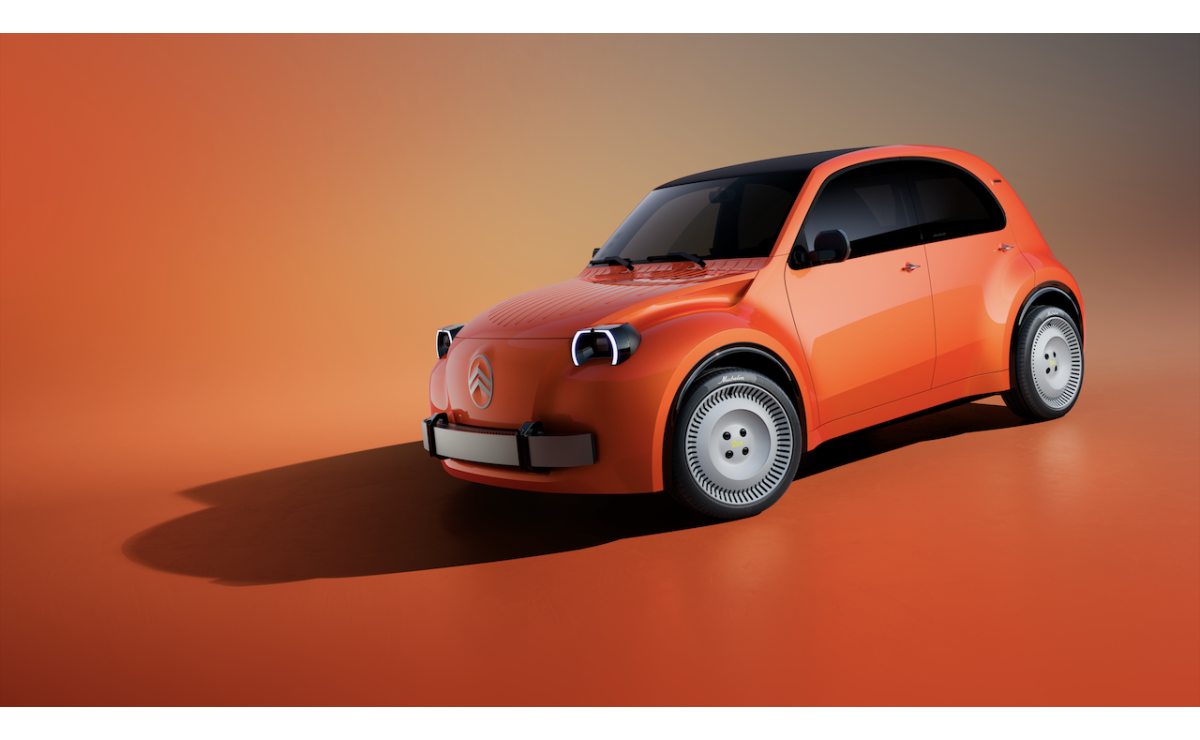
The Citroën 2CV electric concept is official. Citroën unveiled the 2 CV Concept on October 11, 2026, ahead of the 2026 Paris Motor Show, which runs October 12 to 18. Citroën’s press release says the concept previews a production model the brand will unveil within two years. Citroën says that car will join its range by 2028. It will also build the car in Europe, with a target starting price of around €15,000.
The original 2CV debuted at the Paris Motor Show in 1948, and Citroën built it until 1990. The concept measures 3.76 metres, shorter than the car it revives. Citroën is also aiming for a controlled weight of about one tonne.
Price, production and positioning
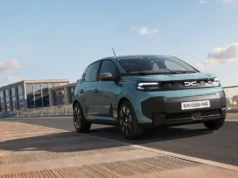
The €15,000 figure is a target starting price. In other words, the announcement does not specify final pricing, trim levels, or the markets that will get the car. If the production model holds that number, it would sit below the Dacia Spring EV, which starts at €17,900 in France.
Likewise, it does not announce the powertrain. Battery capacity, motor output, driving range and charging power are not in the release. On the one-tonne goal, Citroën points to cost, because less mass means a smaller, more cost-effective battery, a range tailored for everyday use and low running costs.
Citroën says the production car will comply with the incoming European E-Car regulations. Meanwhile, it positions the concept between the Ami electric city car and the C3. It frames the project against a market where cars keep getting larger, heavier and more expensive.
Design full of references
The concept keeps the 2CV’s recognizable cues and reinterprets them. For example, round headlamps stand apart from the bodywork. The windscreen is vertical, the wipers sit exposed, and there is a fabric sunroof. At the rear, a black tailgate drops to the bumper with three horizontal stripes and a visible handle. The concept rides on 18-inch steel wheels wearing Michelin tyres with an exclusive chevron pattern.
Michelin also supplies one of the announced technologies: a “universal digital twin of the tyre”. It lets the car adapt its behaviour to its environment and monitor tyre condition continuously.
Heritage details run throughout. For instance, Citroën inscribes the numbers 48, 90 and 26 on the windscreen for 1948, 1990 and 2026. The brake pedal carries a tortoise and the accelerator a rabbit. Citroën also shapes the door compartments to hold eggs, which it links to the original 2CV’s specifications. Citroën calls the paint colour Infra Red, an orange base with yellow and red highlights.
Inside: no traditional dashboard
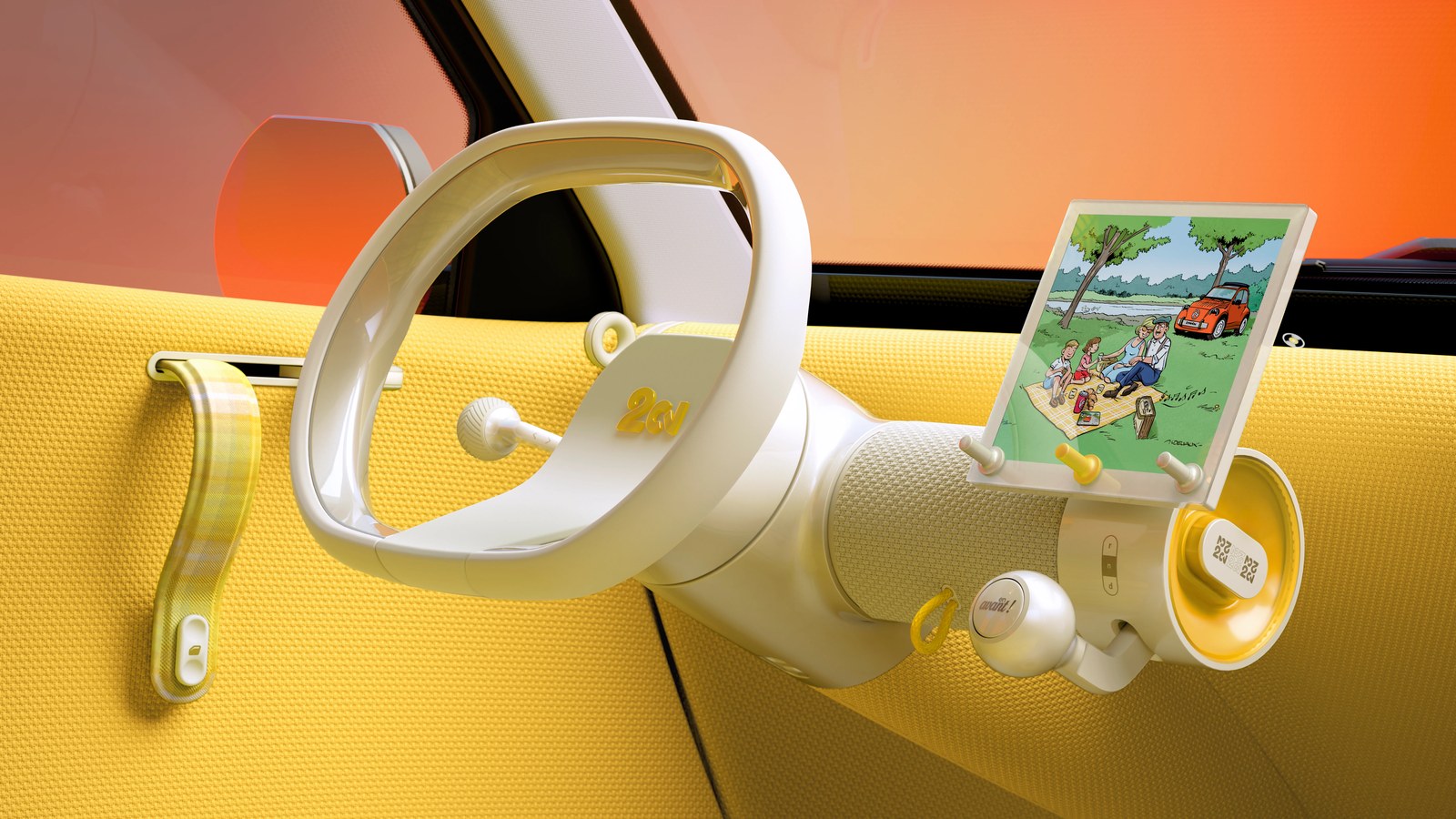
A cylinder replaces the dashboard. It carries a single-spoke steering wheel, a single control lever, a paddle-shift gear selector and a Citroën Smart Vision display that keeps essential information in the driver’s field of view. In addition, an 8-inch square touchscreen uses graphics inspired by comic books. A removable basket replaces the centre console, and the seats wear a yellow reimagining of the 2CV’s tartan pattern.
The “Radioën” is a detachable radio that doubles as a portable speaker, for use inside and outside the car.
What Citroën says
“Reinventing the 2 CV isn’t about replicating a car from the past; it’s about reinventing what made it unique: its simplicity, its accessibility and the freedom it offered.” – Xavier Chardon, CEO of Citroën
In the release, Citroën says the starting point was not to recreate a 2CV but to imagine the small electric car of the future. It also notes that Citroën did not intend the 1948 original to become an icon. However, the company has not announced when orders will open or which markets will get the car.