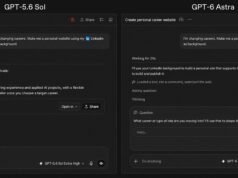



























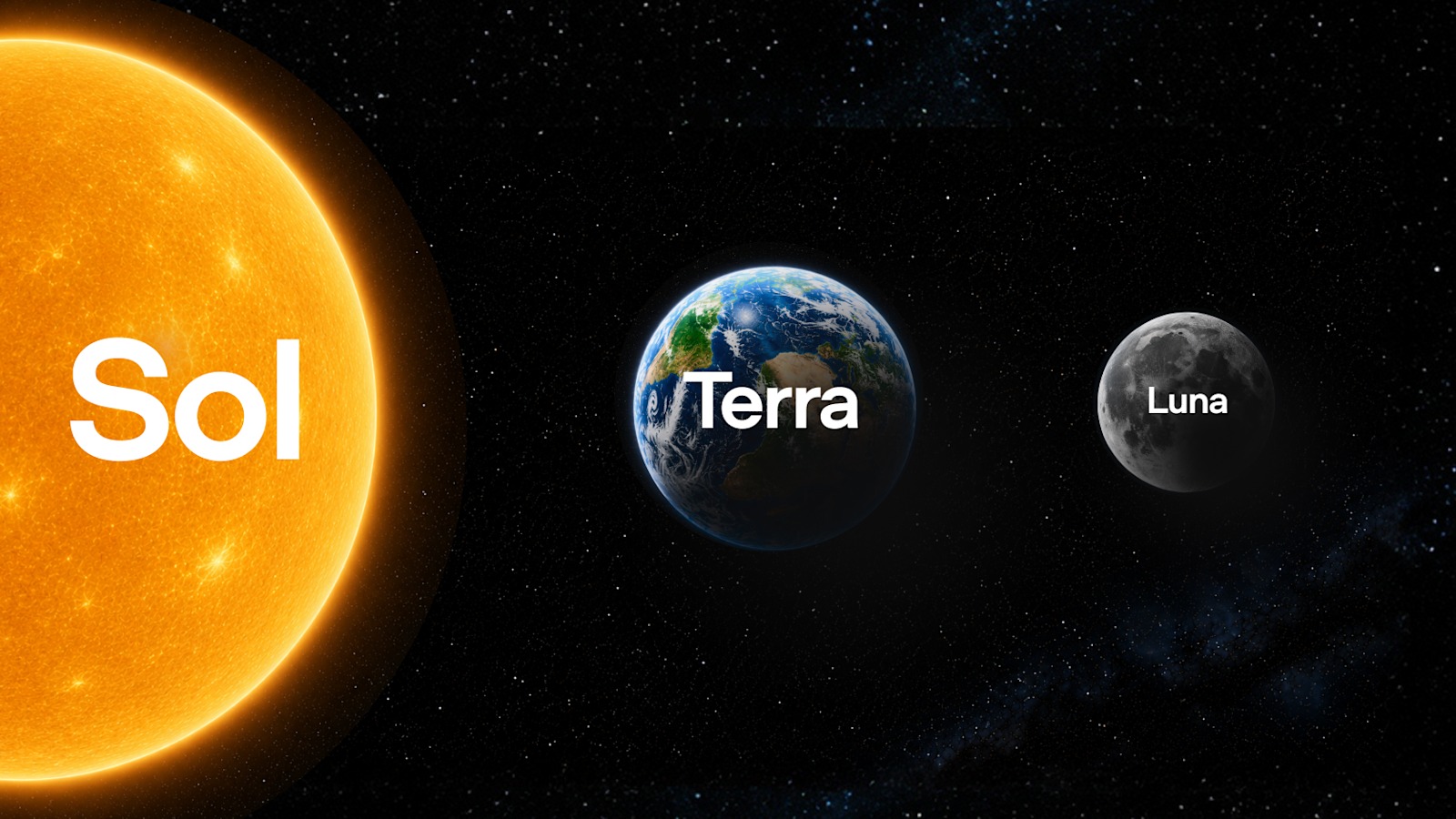
OpenAI GPT-5.6 public rollout starts Thursday, July 9. In an official X announcement, OpenAI said Sol, Terra and Luna will move beyond the limited partner preview. The company is also pointing readers back to its official GPT-5.6 Sol preview. That post frames Sol as the flagship tier, while Terra and Luna are lower-cost options for broader use.
What changes on July 9
OpenAI previewed the GPT-5.6 family in late June for a select group of trusted partners and organizations. Now, the company says preview access is expanding globally. That makes July 9 the practical public rollout date for users watching the new model family. However, OpenAI’s wording still leaves room for staged availability across ChatGPT, Codex and the API. Therefore, readers should expect access to appear by product and account tier rather than all at once.
The three-model lineup is built around different jobs. Sol is the high-end model for harder reasoning, coding, scientific work, cyber defense and longer agentic workflows. Terra is the everyday tier. OpenAI describes it as competitive with GPT-5.5 while using lower cost. Meanwhile, Luna is the speed-and-price option for lighter workloads. That split matters. OpenAI is not treating the release as one model with one personality; instead, it is packaging GPT-5.6 as a family with different cost and latency targets.
Why Sol is the headline tier
In its official preview, OpenAI says GPT-5.6 Sol advances coding, scientific reasoning, long-horizon planning and agentic work. Specifically, OpenAI highlights Terminal-Bench 2.1 for command-line workflows. It also points to ExploitBench for controlled cybersecurity tasks and SecureBio evaluations for biology-related capabilities. Meanwhile, the company says the model adds a new max reasoning effort. It also adds an ultra mode that can use subagents for complex work.
That is also why this rollout is not just another ChatGPT model switch. The earlier Tech My Money GPT-5.6 Sol preview covered the benchmark and pricing story in more detail. This update is the access story. Sol, Terra and Luna are moving from a narrow trusted-partner phase toward public availability.
The government-review context is still messy
Engadget framed the launch around OpenAI getting permission to roll out GPT-5.6. It cited Axios reporting on additional U.S. government testing and meetings. However, Axios also reported a White House statement saying no formal permission or clearance was required. Therefore, the safest read is narrower. OpenAI participated in a temporary review process around a powerful model family, and the company is now moving ahead with wider access. That follows the earlier ChatGPT 5.6 government-approved customer rollout story we tracked in June.
OpenAI’s GPT-5.6 Preview System Card gives that context more weight. It describes safety testing around disallowed content, vision, destructive actions and computer-use confirmations. It also covers cyber risk and biological-risk safeguards. As a result, the rollout is likely to draw attention from developers and policymakers alike.
What to watch next
For readers, the next practical question is where GPT-5.6 appears first: ChatGPT, Codex, the API or all three. Additionally, pricing and access limits will shape how people use the family. Terra and Luna could become the everyday workhorses, while Sol may stay reserved for the hardest jobs. OpenAI has given the model family a public launch date. Now the test is how quickly the rollout reaches normal accounts and whether the new tiers feel different in daily use.