






























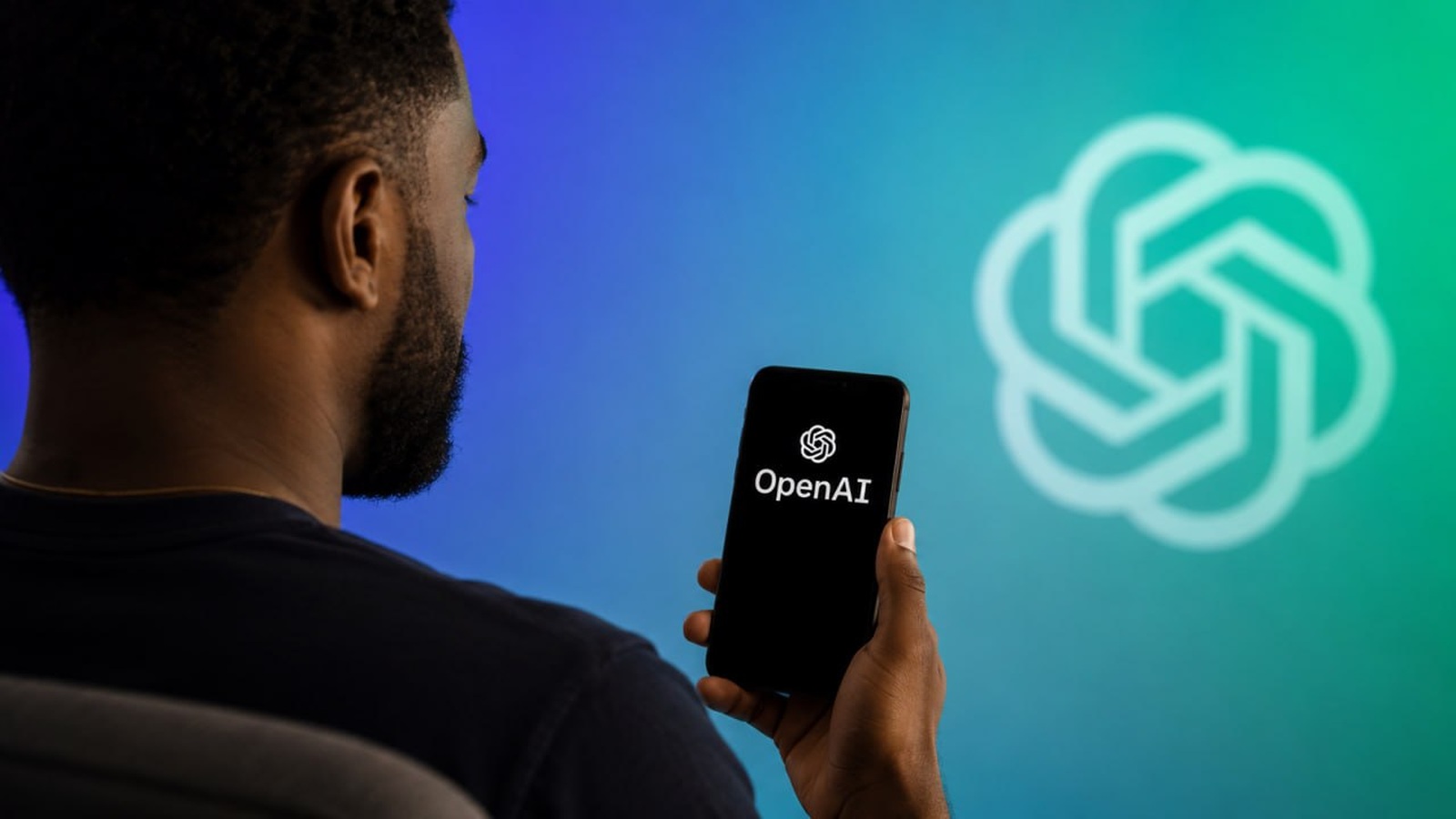
OpenAI has reportedly taken the first formal step toward a public-market debut. According to Reuters, the ChatGPT maker has filed confidential paperwork with the SEC for a U.S. initial public offering.
A confidential filing does not mean OpenAI shares are about to start trading next week. It means the company can begin the SEC review process privately before showing investors a public S-1. CNBC also framed the move as an early Wall Street signal for what could become one of the biggest AI listings yet.
Why this filing matters
OpenAI has spent the past few years turning ChatGPT from a breakout product into a platform, a subscription business, an enterprise tool, and a developer ecosystem. A public listing would give investors a direct way to bet on that growth instead of only buying exposure through partners like Microsoft.
The timing also matters because AI companies are racing to fund expensive model training, data centers, chips, and enterprise sales teams. Going public could give OpenAI another capital path while the broader AI market is still rewarding growth stories.
Do not treat this like a finished IPO yet
The key word is confidential. Until OpenAI publishes a registration statement, the market will not see the full revenue, losses, risk factors, governance details, or proposed share structure. The company could also adjust timing if market conditions change.
That caution matters for readers because OpenAI is not a normal software startup. Its structure, mission, Microsoft relationship, compute costs, and AI-safety obligations will all be part of the investor story if the filing moves forward.
The ChatGPT business is the hook
For everyday users, the IPO angle comes back to ChatGPT. Tech My Money recently covered reports that OpenAI is planning a major ChatGPT overhaul, which shows how much of the company’s future depends on turning the assistant into a broader daily-use product.
If OpenAI goes public, investors will not only be buying an AI lab. They will be buying into the belief that ChatGPT, APIs, enterprise tools, and future agents can justify the cost of building frontier AI at massive scale.