


























Colossal artificial egg work is moving from de-extinction hype into a stranger lab problem: how to grow a bird without a normal shell.
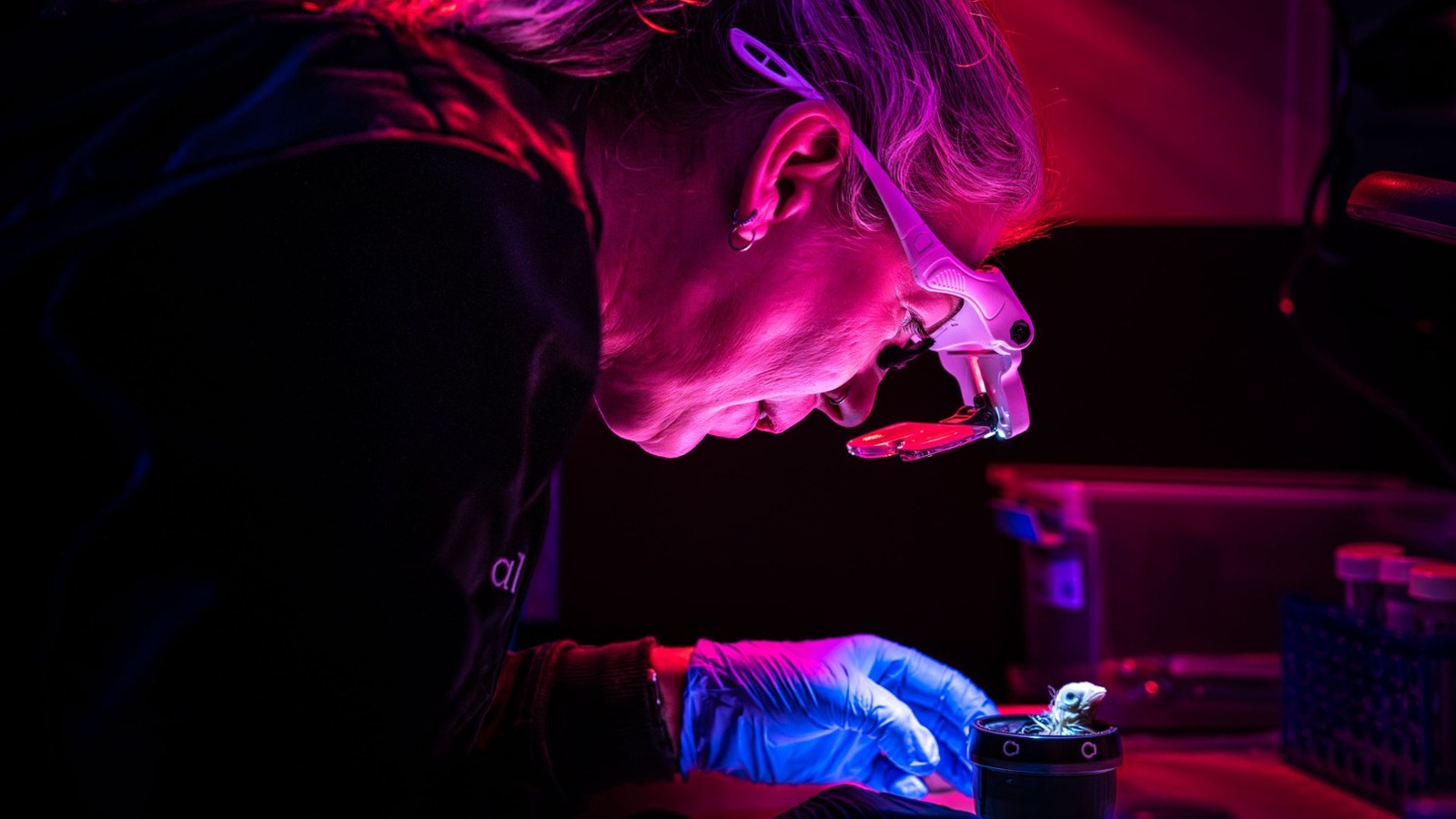
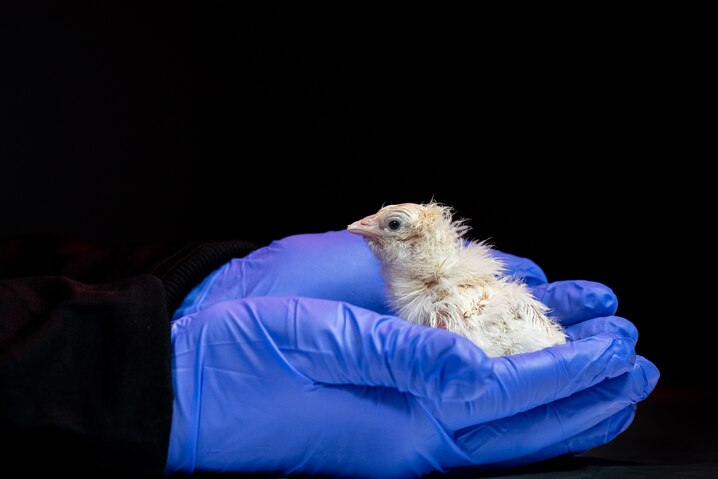
MIT Technology Review reports that Colossal Biosciences has grown chicken embryos inside transparent 3D-printed containers at its Dallas headquarters. The company calls the device a fully artificial egg. However, the better description may be an artificial eggshell, because researchers still begin with the contents of a recently laid chicken egg.
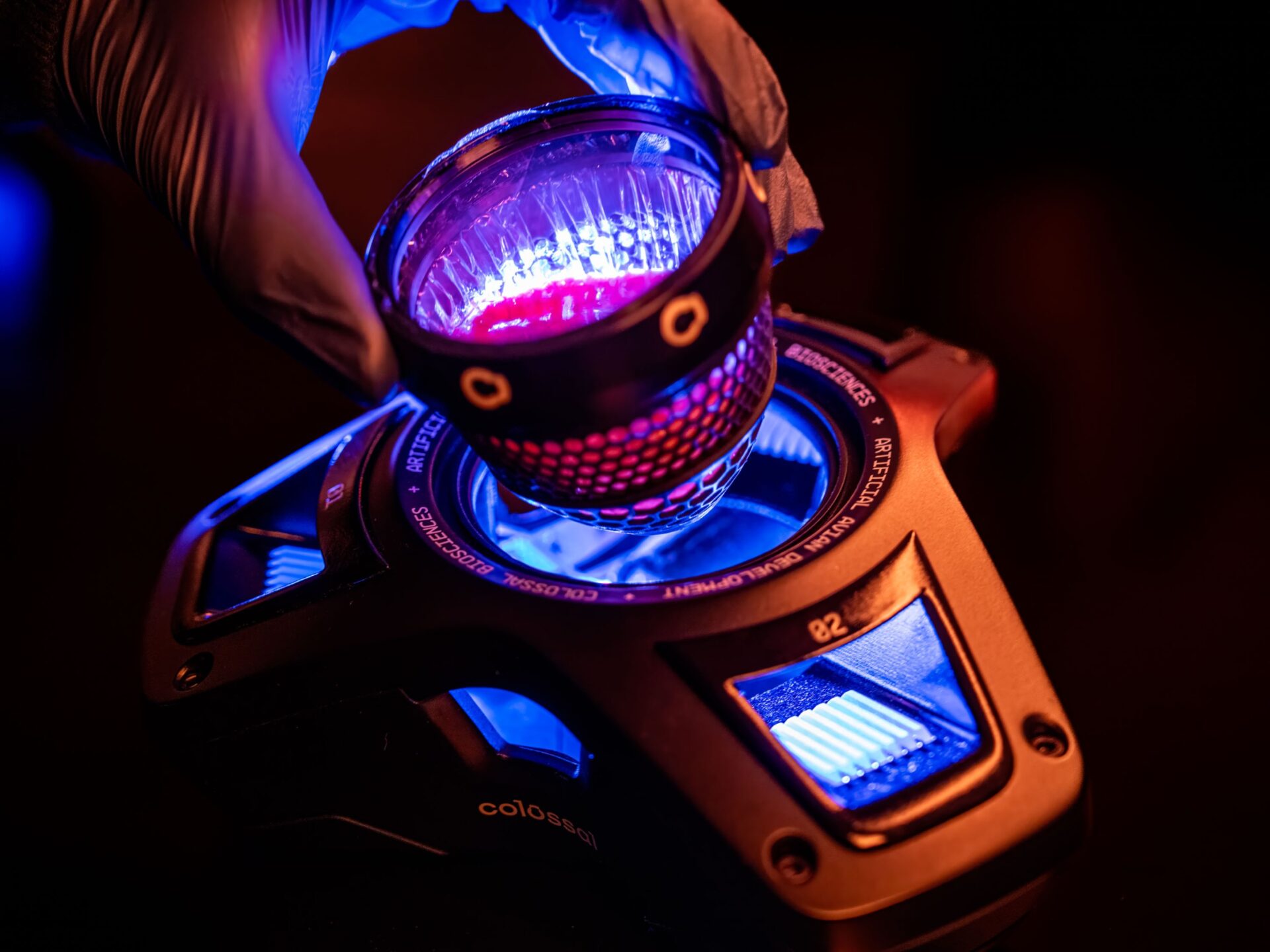
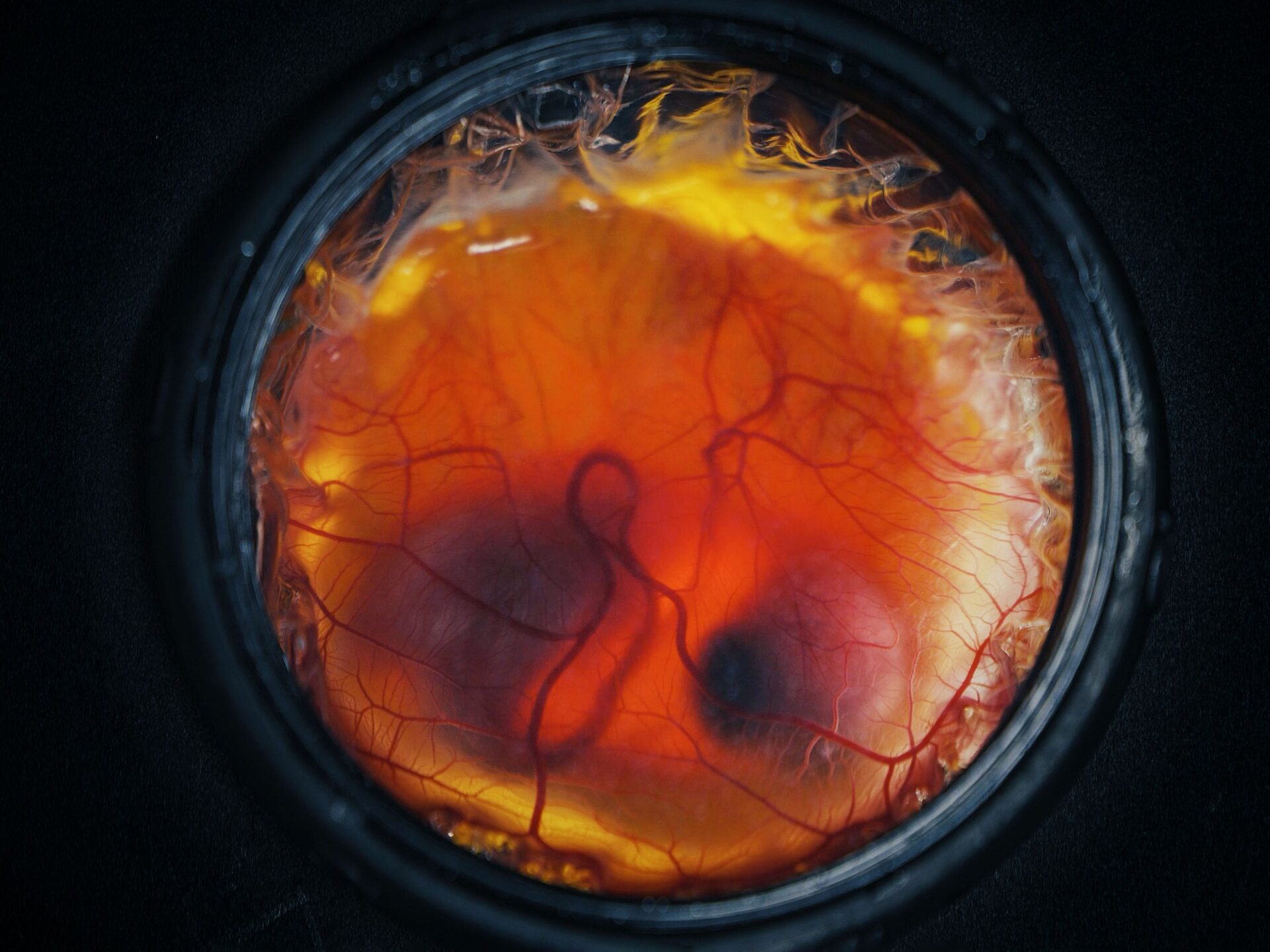
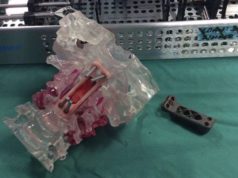
The printed oval uses a lattice structure and a silicone-based membrane. That membrane lets oxygen reach the embryo, while a window gives scientists a way to watch development. For a company chasing extinct birds such as the dodo and the giant moa, that viewing window matters because bird reproduction gives researchers fewer easy intervention points than mammals do.
Why Colossal cares
Colossal wants the system to help conservation teams and future de-extinction projects. A giant moa, for example, laid much larger eggs than living birds. So a scalable artificial shell could become useful if scientists ever reach the harder genetic step.
Still, this is not a moa comeback. The biology remains brutal. Researchers would need ancient DNA work, genome editing, and a host bird strategy before any extinct species enters the conversation. That is why the earlier scientific work on shell-less incubation matters here.
For readers, the takeaway is simple. Colossal may have a useful lab tool, but the marketing sounds bigger than the milestone. The device makes embryo research easier to observe and potentially easier to scale. It does not make de-extinction routine.
Even so, the work deserves attention because reproductive technology often advances through awkward intermediate tools. A clear container may help teams measure oxygen flow, growth problems, and failure points without cracking open a natural shell. That kind of repeatable lab data could matter before the bigger conservation claims do.
We have also followed the broader science-and-tech lane on Tech My Money, where the real story usually sits between the demo and the promise.