
























Muse Gadgets is Meta’s new open source project for building hardware around its Muse AI agent. The Muse Gadgets site publishes software kits for ESP32 boards and Linux computers. It also launches a first device of Meta’s own, the Muse Home Link.
However, the Home Link is a limited giveaway. Meta says it made 5,000 units, and only US subscribers can claim one.
What Muse Gadgets lets you build
The site describes Muse gadgets as open source devices you build yourself. You program an off-the-shelf ESP32 board or set up a Raspberry Pi. Then you connect Muse to displays, buttons, sensors and actuators. Meta publishes two kits for this, an ESP32 Device SDK and a Linux Device SDK.
The SDKs and firmware use the Apache 2.0 license on GitHub. In addition, Meta warns that tinkering may brick boards or void warranties. It provides the code as is.
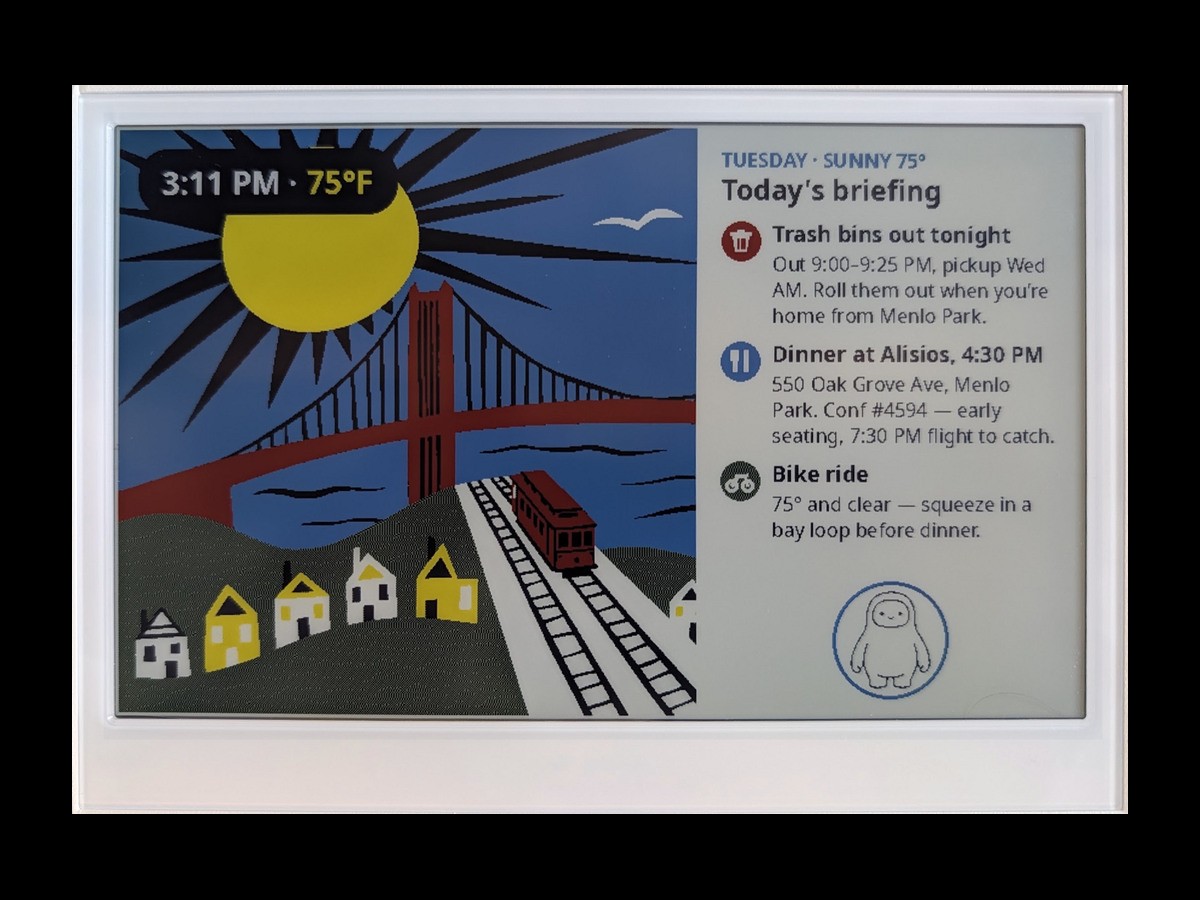
Meta lists seven project ideas, and every board except one comes from another company. For example, the Seeed reTerminal E1002 shows Muse’s morning briefings on a color e-ink screen. The M5Stack StickS3 is a pocket-size device with a color screen and a button. The AiPi Lite is a small desk companion that talks back.
Meta does not endorse those devices. A stick that plugs into a TV’s HDMI port is only marked “coming soon.” A Raspberry Pi 5 can also link Muse to Home Assistant. Tech My Money previously covered a Gemma translator on a Raspberry Pi 5.
Muse Home Link: what it does and who gets one
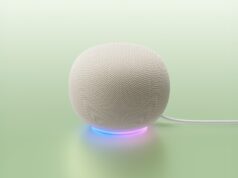
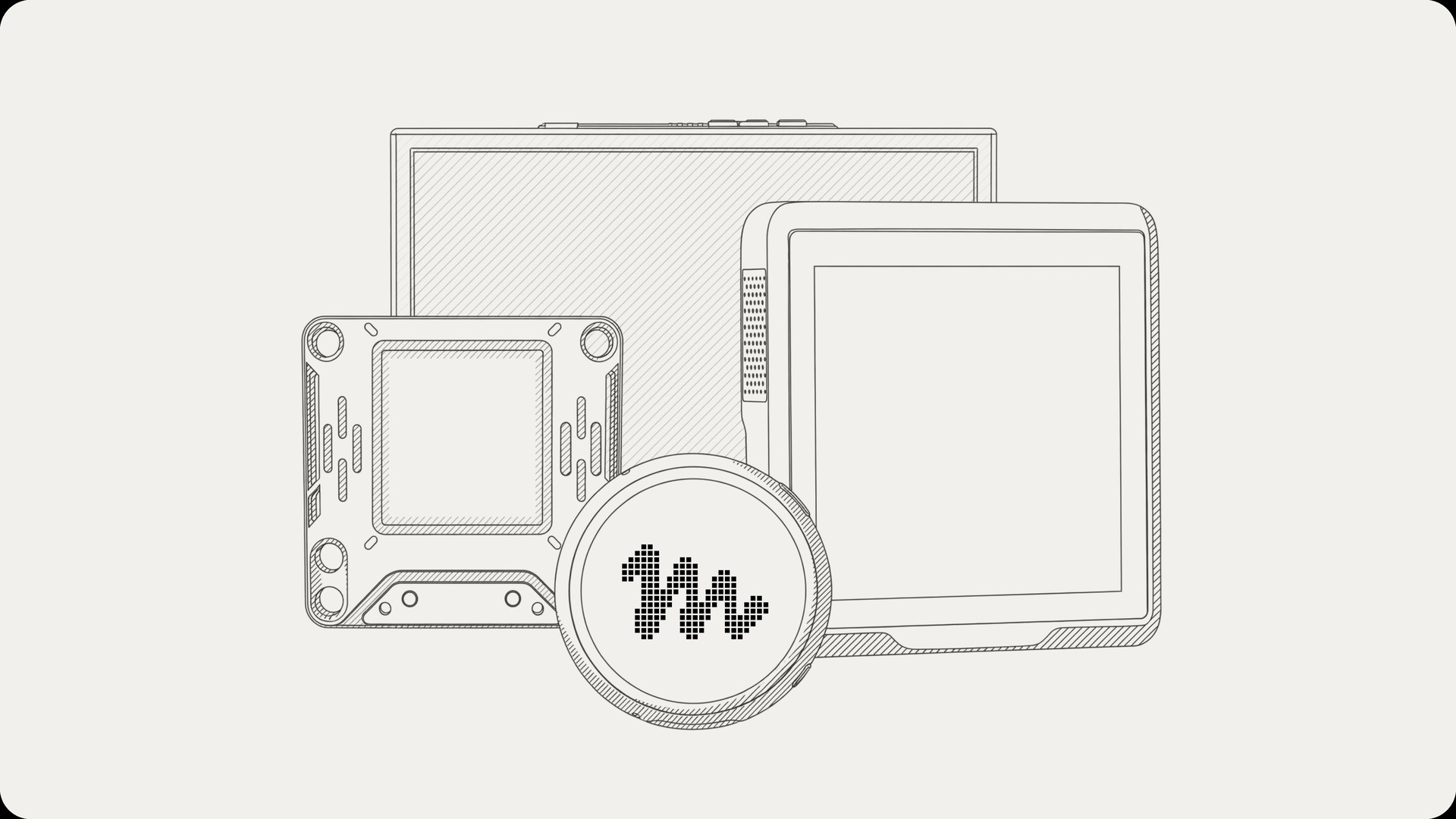
Nat Friedman announced the Home Link on X on October 2. He calls it a USB-C powered device. It lets Muse join your home network and talk to TVs, speakers and anything else that exposes HTTPS. Meta’s site says community-built skills could turn on a light or control a TV. Depending on the setup, they could also send a document to a printer.
They are free for Muse subscribers while supplies last.
Nat Friedman, on X
The fine print is stricter than the post suggests. Meta’s site limits the offer to active Muse subscribers in the United States, with one per subscriber. Shipping starts in October on a first come, first served basis. Claiming only holds a place in line, because it is not an order.
Friedman also says all the code for the Home Link is open source.
Why it matters for Muse
According to its own site, Muse is a personal AI agent. It handles tasks such as email, reservations and calendars. You chat with it in an app or in WhatsApp. As a result, gadgets give the agent a physical presence in a room, not just a chat window.
Meta is also building a community around the effort. The site links to a Discord server. It asks builders to share projects there, and Meta says it may feature some of them. Meanwhile, Tech My Money covered Meta’s glasses plans in its report on the Ray-Ban Display hologram feature.