


























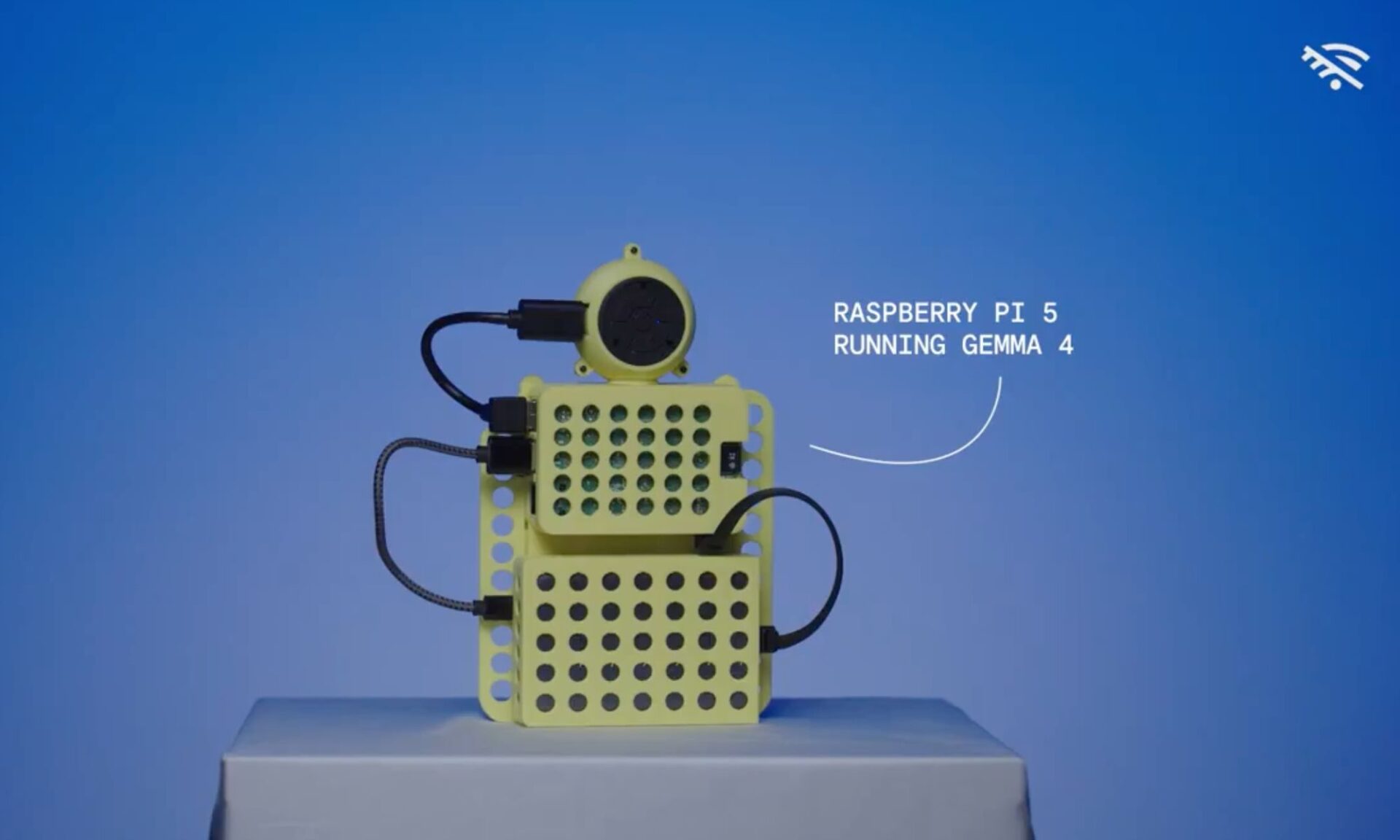
Gemma Translator is a fully offline voice-translation prototype from a small Google Creative Lab team. The builders used Google Antigravity to help ship the code, and they published the project as open source rather than a store product. After setup, speech stays on the device. No cloud API call is required for the translation loop.
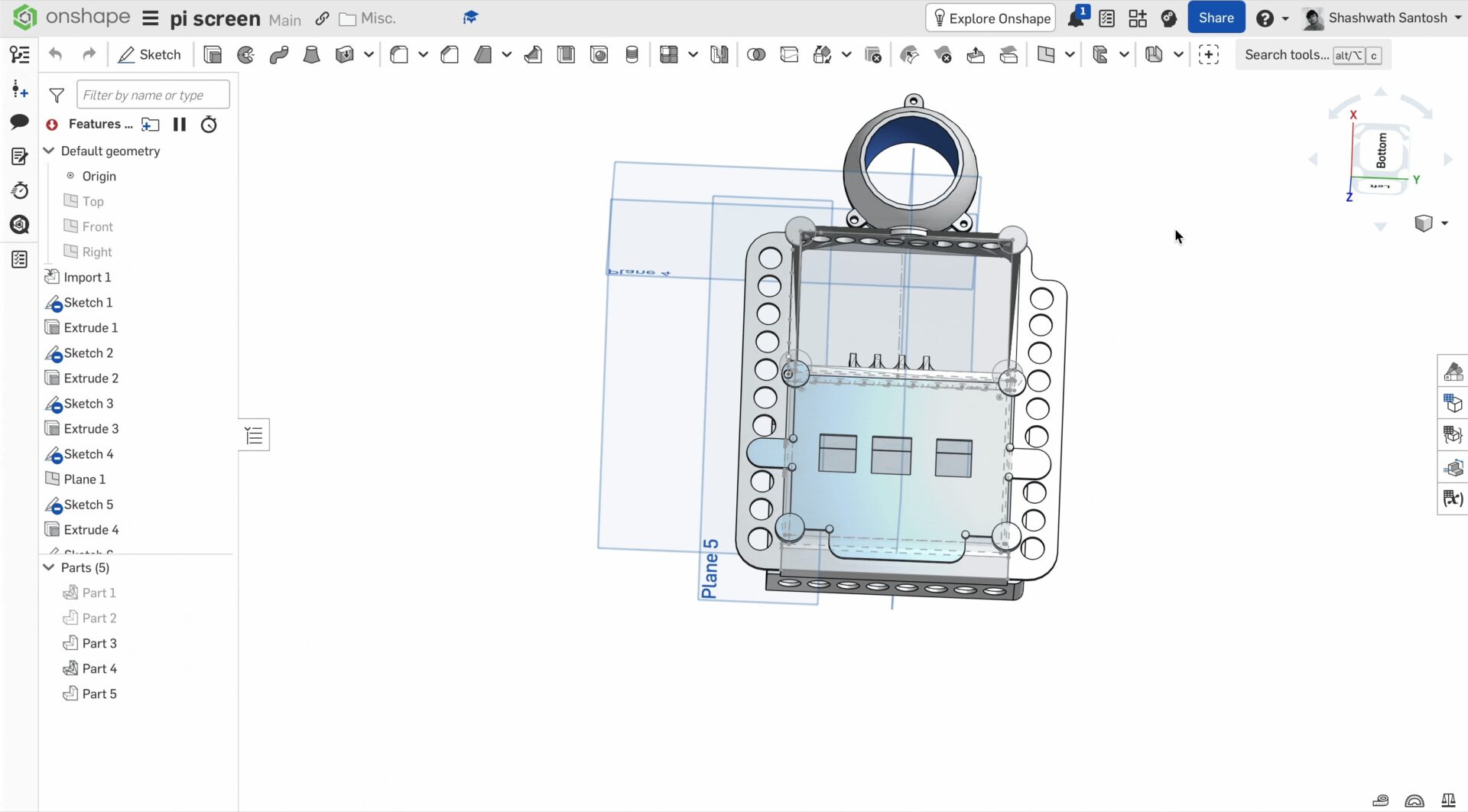
Hardware targets a Raspberry Pi 5 with 8GB of RAM, plus a microphone, speaker, and a small handheld display. A custom 3D-printed shell holds the build. Google’s Gemma account and Antigravity demo show the portable case in action, and the README links STL files so makers can print their own enclosure.
How Gemma Translator stays offline
On-device inference uses LiteRT-LM to run the gemma4-e2b model locally. The model carries the translation knowledge, so the unit does not need Wi-Fi after the initial download and install. A Python API server ties the stack together, while a React web UI fits small screens such as 480×320 kiosk panels.
Speech input and output also stay local. The GitHub project uses Moonshine for speech-to-text and moonshine-voice for text-to-speech, then routes text through Gemma for translation. A unified start script launches the LLM server, the Python API, and the frontend together.
Two-lane UI and Pi appliance mode
The interface models a face-to-face conversation with two lanes. Each side picks a language and uses push-to-talk recording. Landscape mode treats one lane as active at a time, while vertical mode maps separate keys to each person. Language rotation and recording stay keyboard-driven in the current build, and the app saves modes in browser local storage.
Makers who want a kiosk can run deploy-pi.sh on Raspberry Pi OS. That script installs packages, builds production UI assets, downloads the LiteRT model, registers a systemd service, and can launch Chromium in kiosk mode at localhost port 3000. The README is clear that this is not an officially supported Google product.
What this demo is — and is not
Gemma Translator showcases efficient open-weight models on cheap hardware. It is not a consumer SKU you can order next week. Privacy-minded travelers and field teams get concrete proof that speech translation can avoid the cloud. Setup still needs a model download, a capable Pi 5, and time to print and wire the case.
Google’s edge stack also pushes LiteRT for on-device Gemma workloads. For context, we covered related product moves such as Google AI Ultra pricing and Gemini 3.5 Flash for coding agents. Those cloud plans sit far from this offline DIY path. The translator story is about what Gemma 4 E2B can do when the network drops.
For now, the open repo is the deliverable: clone google-gemma/gemma-translator, download the model, and build the box if you want hands-on offline translation. American buyers should not expect a Google Store listing from this drop alone.