





























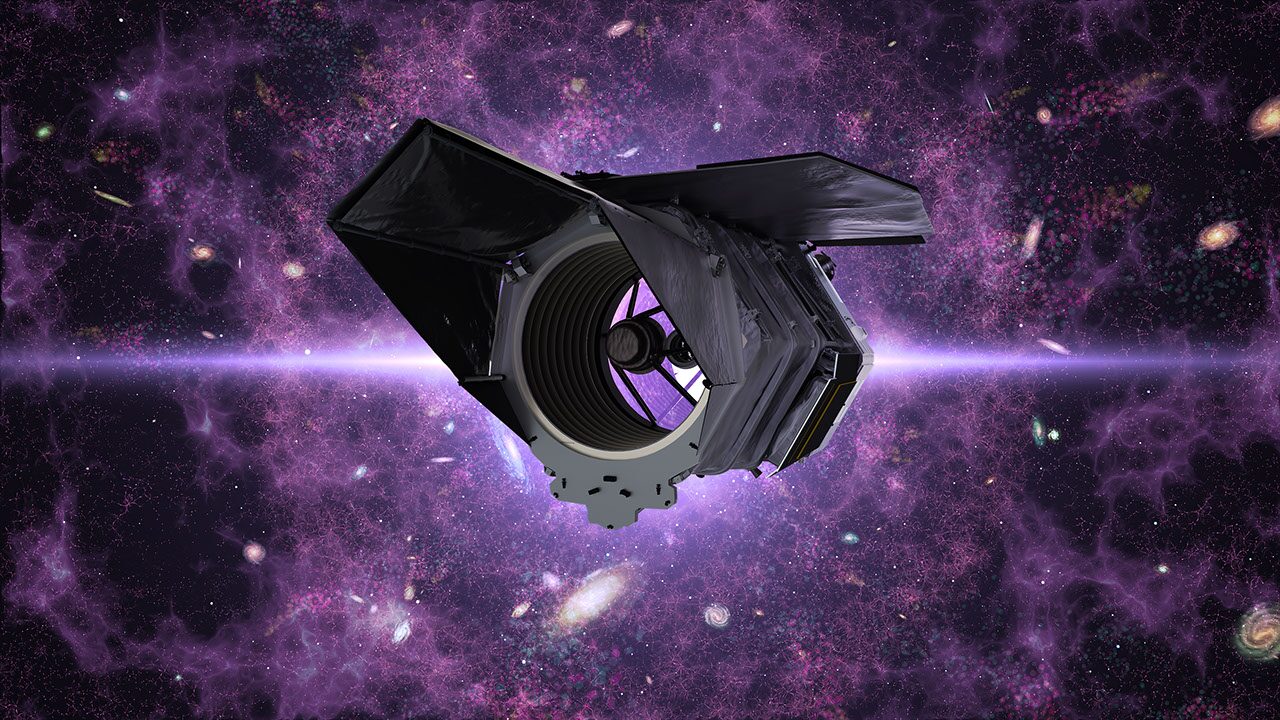
The Roman Space Telescope launch date now has a firm spot on NASA’s calendar. The agency says the Nancy Grace Roman Space Telescope will lift off on August 30, 2026, earlier than its previous early-September target.
This new date gives NASA less than three months to finish the launch campaign. For now, the team plans to ship Roman from Goddard Space Flight Center in Maryland to Kennedy Space Center in Florida.
What happens before launch
At Kennedy, NASA will move the observatory into the Payload Hazardous Servicing Facility. Teams will inspect the spacecraft, run powered tests, rehearse launch steps, and load about 290 gallons of hydrazine fuel.
Next, engineers will place Roman inside a protective fairing and connect it with a SpaceX Falcon Heavy rocket. NASA expects the mission to roll out to Launch Pad 39A before liftoff.
That timeline matters because Roman already beat NASA’s original May 2027 launch commitment. Now, the August 30 date pulls the observatory even closer.
Why Roman matters
Roman will survey wide areas of the sky in infrared light. NASA built the telescope to study dark energy, dark matter, exoplanets, galaxies, stars, black holes, and other cosmic targets.
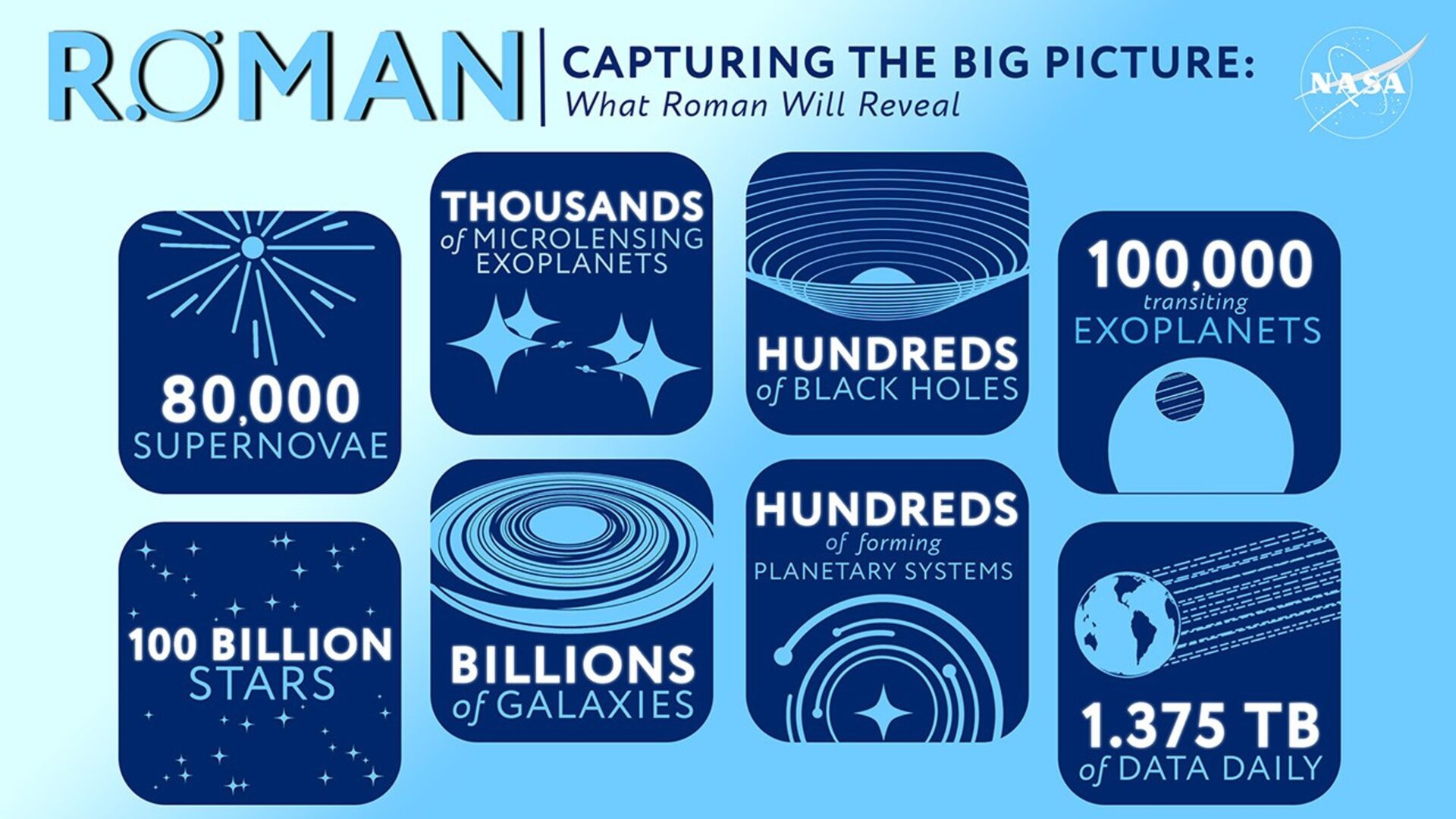
The observatory pairs a Hubble-class mirror with a much wider view. NASA’s mission page says Roman can see a field of view at least 100 times larger than Hubble’s, so it can map huge regions far faster.
Meanwhile, the spacecraft will travel to the second Sun-Earth Lagrange point, or L2, after launch. That location gives deep-space observatories a stable vantage point for long surveys.
For readers, Roman also joins a busy stretch for space science and deep-space telescope news. Tech My Money readers following NASA’s observatory work can revisit our coverage of James Webb spotting a black hole that may have formed before its galaxy.