




























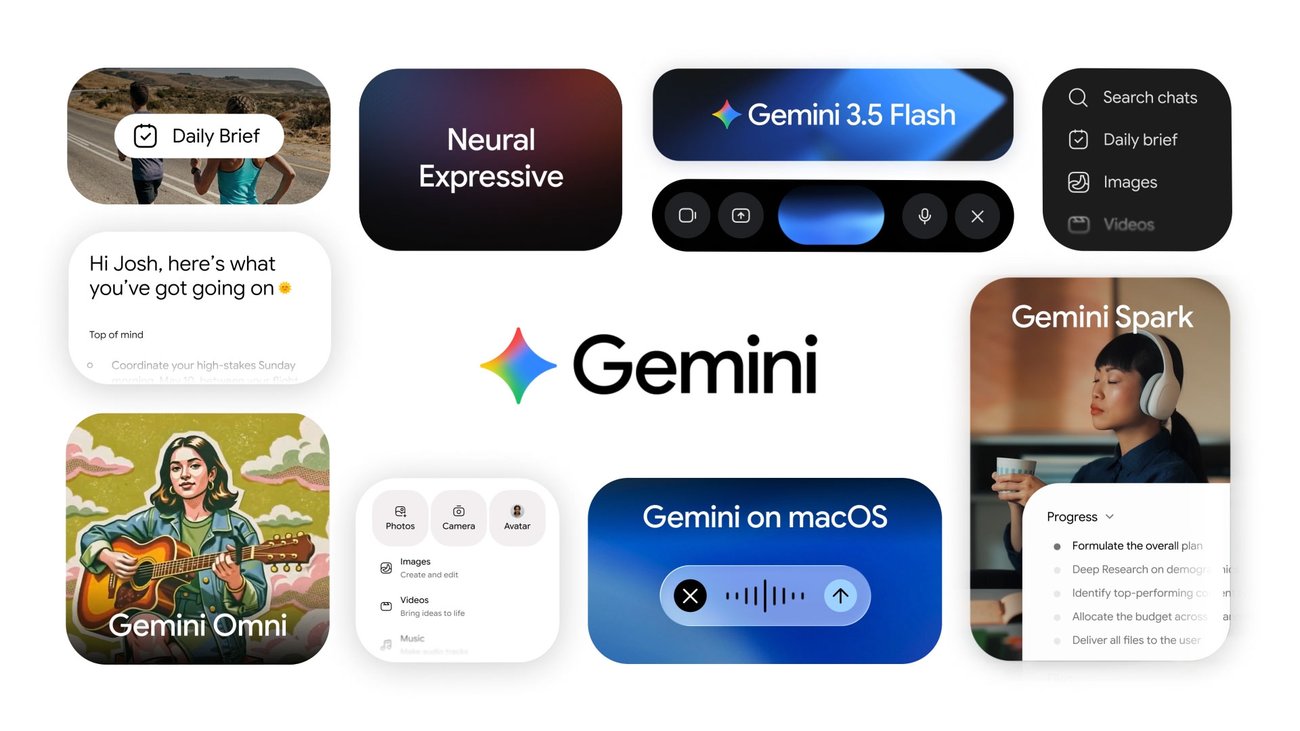
Gemini Spark is Google’s new push toward a more agentic AI assistant. Instead of only answering prompts, the feature is meant to help complete tasks across apps and workflows.
Google describes the broader Gemini update as a shift toward a more personal assistant. The pitch is that Gemini can connect more of a user’s context across Google apps, including work that starts in email, documents or presentations.
The examples are practical. Spark can summarize long email threads, pull out deadlines or help turn meeting notes into a report.
What makes it agentic
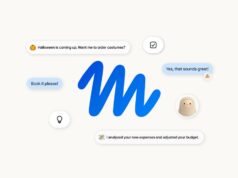
Gemini Spark is not just another chatbot button. The key idea is recurring and connected tasks. A user could ask it to check for hidden fees in bills each month or prepare a report from chat and email context.
Google is also tying Spark to partner apps such as Canva, OpenTable and Instacart. That gives it a path beyond Google’s own apps, which is important if the assistant is supposed to handle real workflows.
The guardrails matter too. Spark is opt-in, and Google says users can choose which apps it can connect to. The company also says high-stakes actions, such as spending money or sending emails, require permission first.
The bigger question is how clear Google makes those permissions. People may accept an assistant that reads a document or summarizes a thread. They will be more cautious when the assistant can reach across apps and act on their behalf.
The Tech My Money take
Gemini Spark sounds useful because it targets the boring work that actually eats time. Summaries, deadlines, reports and repeat checks are better AI jobs than gimmicky demos.
The challenge is trust. An agent that touches email, documents, bookings and purchases has to be predictable. If it makes mistakes or feels too eager, users will shut it off.
Tech My Money tracks more AI launches in our AI coverage, and Gemini Spark is one of the clearer signs that Google wants agents to become everyday software.