































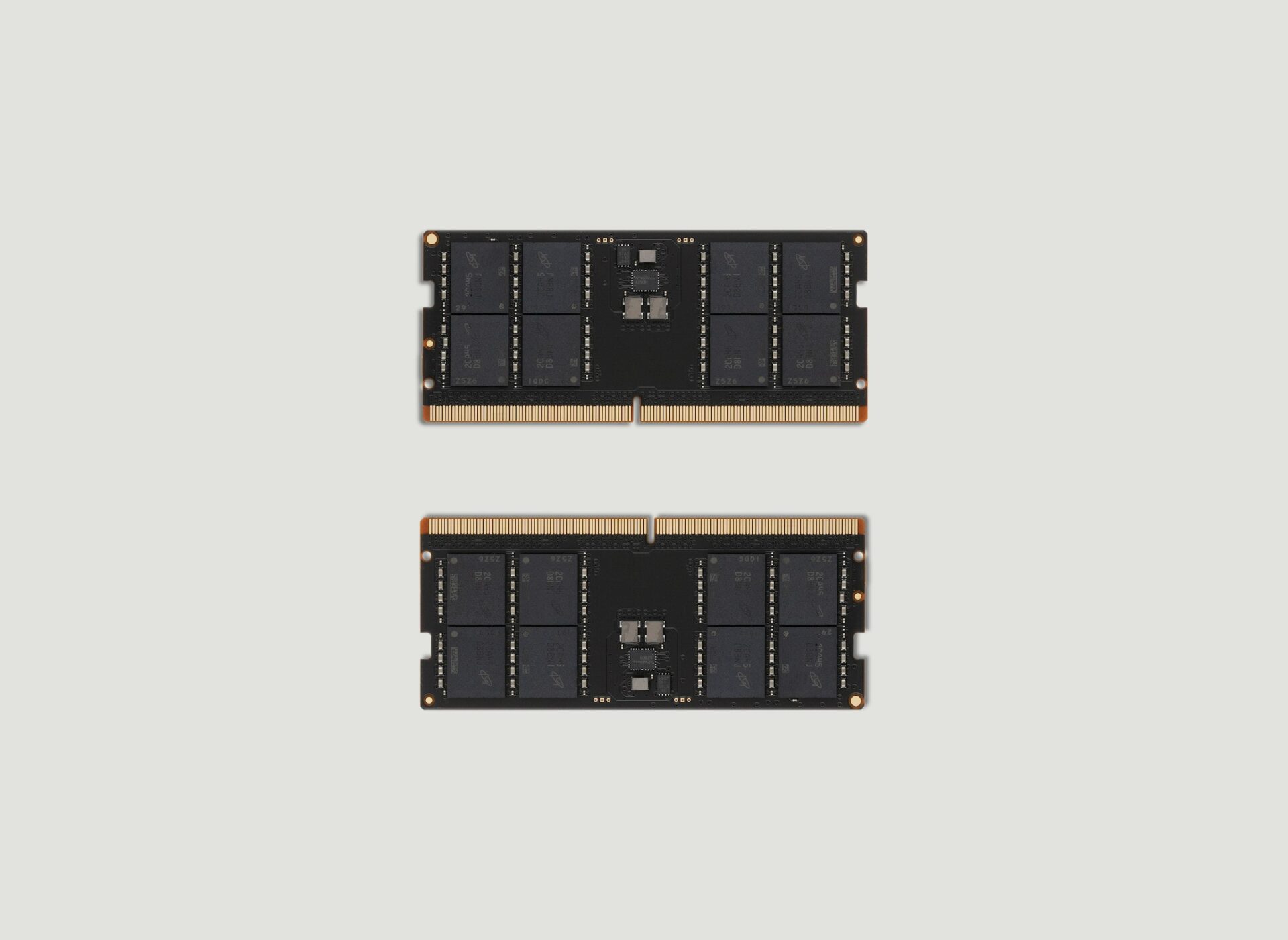
Framework RAM and SSD prices are moving again, and the company says the reason is simple: cheaper inventory is running out.
In its latest memory and storage pricing update, Framework says it adjusted some prices to reflect what it now pays suppliers for new modules. DDR5 costs have been steadier lately, but Framework says it used up earlier 8GB inventory bought at lower cost. That means the 8GB module price had to rise.
Storage looks rougher. Framework says it had been selling SSD modules from 2025 inventory at prices below the current market. As that older stock disappears, new inventory is coming in at much higher cost. Some May prices are still a blended average of old and new stock, but Framework expects more SSD repricing once the older supply is gone.
Framework RAM and SSD prices are still market-driven
Framework’s brand is built around repairability and upgrades, so memory and storage pricing matters more here than it does on a sealed laptop. Buyers can choose their own parts, reuse modules, or upgrade later. But the company still has to source components in the same market everyone else does.
The good news is that Framework says existing pre-order prices will be honored. The catch is that editing the memory or storage configuration on an existing pre-order will update that item to the new price.
Framework is also qualifying a mix of SanDisk, ADATA, and Phison drives for pre-built systems that ship with SSDs installed. That should help supply availability and pricing stability. It also shows how much the storage market has changed since last year.
What buyers should do now
If you are buying a Framework Laptop DIY Edition, compare prices before checking out. Framework has openly encouraged users to bring their own compatible memory when retail pricing is better. That is one of the perks of a modular machine.
It also makes the broader laptop market worth watching. We just covered Dell’s move to simplify its mainstream notebook lineup with the new Dell 14S and 16S laptops. Framework is playing a different game, but both stories point to the same pressure: PC makers are still trying to keep prices readable in a messy component market.