




























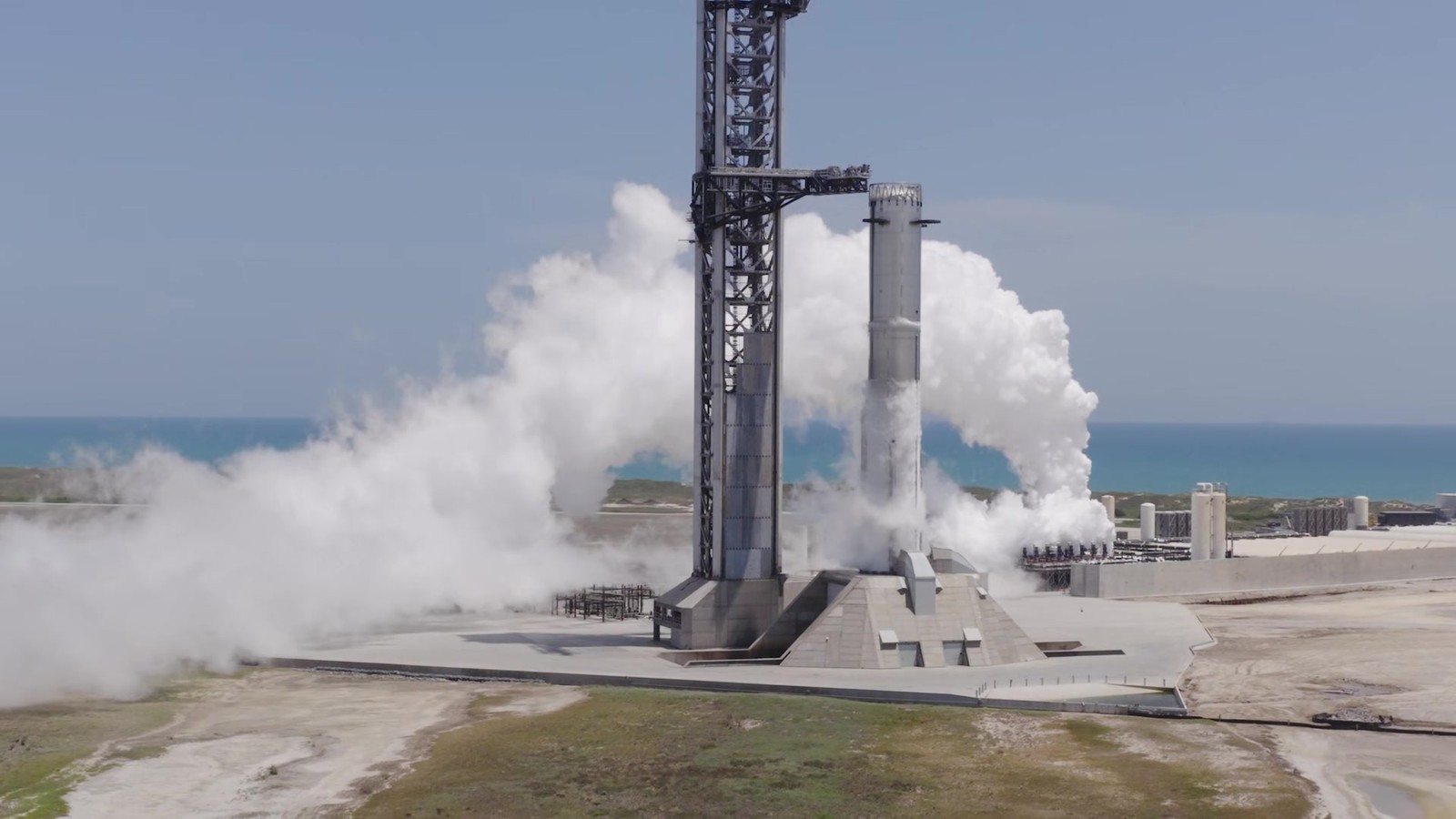
Starship Flight 14 now targets Monday, September 28, and it is the one SpaceX has been building toward. For the first time, the ship will go all the way to orbit. SpaceX’s mission page lists a 75-minute window that opens at 8:15 a.m. Eastern. However, the date still depends on regulatory approval, and SpaceX warns the schedule is likely to change.
The launch was first set for September 22. SpaceX moved it on September 17 in a post on X and gave no reason.
What Starship Flight 14 will try
Every earlier test flew a suborbital path on purpose, to protect the public while SpaceX learned. “By going to orbit, the next phase of developing Starship to be fully and rapidly reusable can begin,” SpaceX writes. This time, the ship should fly about 275 km up and circle Earth roughly six times over nearly 10 hours. It then splashes down in the Pacific, west of Chile. SpaceX says it will only fire the engines to enter orbit once controllers confirm enough backup hardware for the deorbit burn. That burn uses a single Raptor engine.
Nothing gets caught by the tower arms. Instead, the Super Heavy booster aims for a landing burn at an offshore point in the Gulf. On Flight 13, ice clogged three center engines and cut the boostback burn short. Then only 8 of 13 engines relit for landing, and the booster hit the water hard. As a result, this booster has better engine filtering and new relight software.
The first working Starlink V3 satellites
The ship carries 26 Starlink V3 satellites, and these ones are meant to stay. Each adds 1 Tbps of capacity, so the mission adds 26 Tbps in one shot. SpaceX says that is about 10 times a single Falcon 9 launch of V2 mini satellites. After checkouts, they should serve customers within a few weeks. In addition, three satellites carry cameras that will photograph Starship’s heat shield from outside.
The heat shield gets its own experiments. SpaceX added retention hardware to tiles most likely to fall off, and it is trying curved tiles that cut heating in the gaps. Meanwhile, two tiles recovered from Ship 40 will fly again on Ship 41. That is the first tile reuse for Starship, a small step toward the rapid reuse the whole program depends on.
How to watch
SpaceX’s webcast starts about 30 minutes before liftoff on its site and on X. Coverage should run through splashdown, with hours of live views from orbit possible. Payload deployment begins about 34 minutes into the flight, and the deorbit burn comes near the nine-hour mark.
The stakes go beyond one launch. NASA picked a version of Starship as its Artemis Moon lander, and the Artemis III crew is already named. Meanwhile, SpaceX is building a natural gas pipeline at Starbase to feed a faster launch pace. Still, none of that works until the ship can reach orbit and come home. September 28 is the first real test of that.