











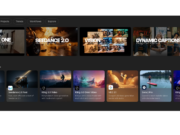













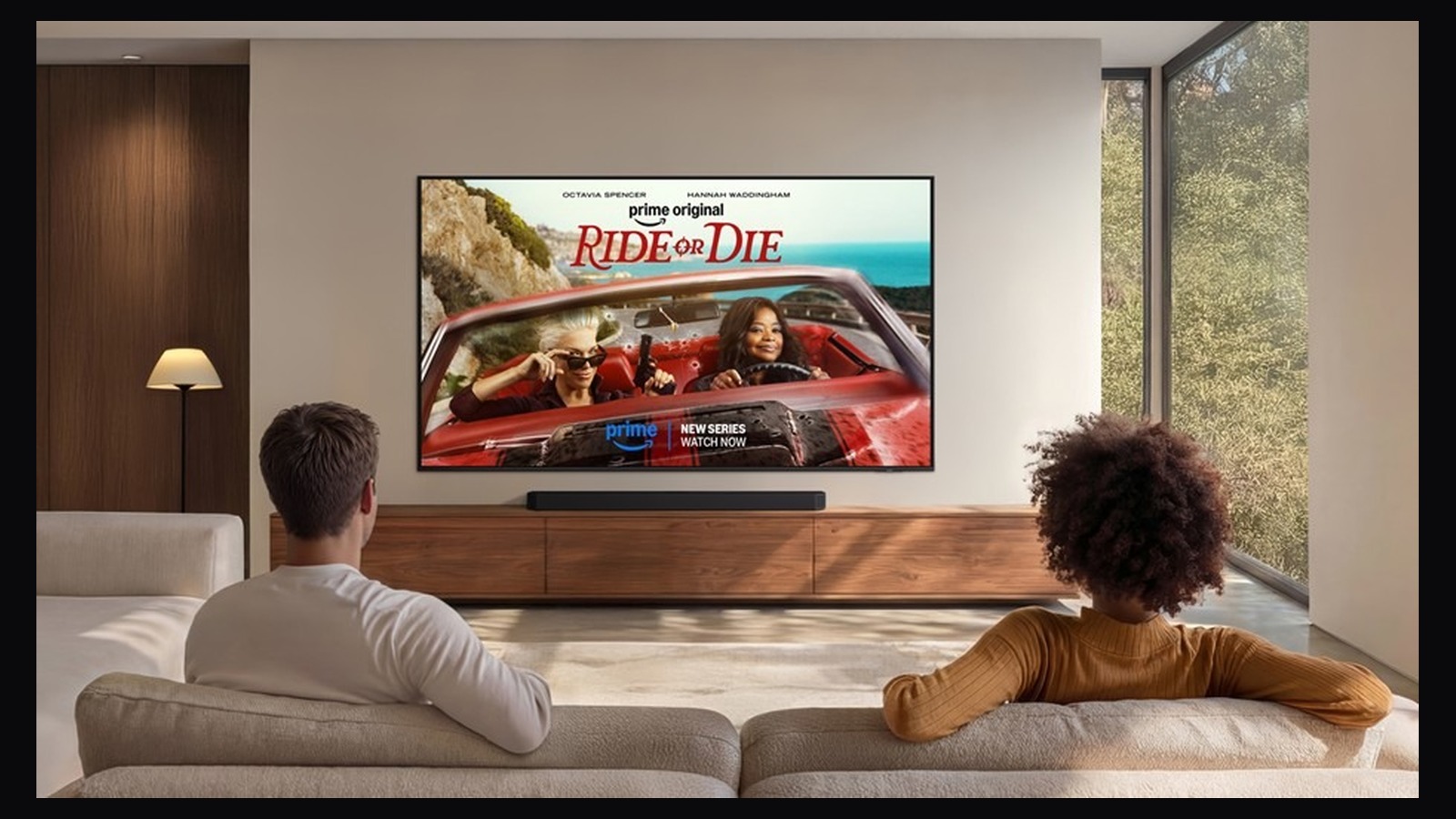
Samsung is rolling out HDR10+ Advanced on Prime Video this month. The company says Prime Video is the first streaming service to offer the format on supported titles, starting on Samsung’s 2026 TVs.
Moreover, the move turns a CES-era demo into a live streaming pipeline. Samsung co-developed the standard and began showing it on 2026 sets earlier this year. August is when the first Prime Video titles hit the app for those displays.
What HDR10+ Advanced adds
Samsung highlights two main features. The first is Enhanced Overall Brightness. It uses extended statistical metadata to push brighter, more precise HDR across the full tonal range on newer panels.
In addition, AI-powered tone mapping is part of that brightness story. Samsung says it can open up shadow detail in dark scenes while still delivering higher peak brightness for action and sports.
The second feature is Intelligent Motion Smoothing. Samsung claims scene-by-scene metadata lets compatible TVs adjust motion processing dynamically. That is more granular than a single global soap-opera setting, though many viewers still prefer motion smoothing off for film.
Who can watch it first
However, day-one access is narrow. Samsung says the service starts on its 2026 TV lineup. Older sets without HDR10+ Advanced hardware or firmware support will not get the full experience even if they already play regular HDR10+.
Prime Video is the exclusive first-streaming partner in Samsung’s launch messaging. The HDR10+ Alliance also notes the Advanced catalog can reach ad-supported and premium Prime Video subscribers on supported Samsung displays. Title lists will expand over time rather than land all at once.
Still, this is a format war signal as much as a feature drop. HDR10+ Advanced is Samsung’s answer to next-gen dynamic HDR systems such as Dolby Vision 2. Prime Video backing gives it real living-room distribution on day one.
What it means for buyers
Therefore, 2026 Samsung TV shoppers should check for HDR10+ Advanced in the specs if Prime Video is a main source of 4K HDR. The format only helps when both the TV and the title support it.
Finally, the broader TV software race keeps stacking picture modes and streamer-side features. That includes competing OLED tuning tools like LG’s Creator Original Picture Mode on 2026 OLEDs and Amazon’s own display experiments such as Fire TV Adaptive Display on Stick HD.