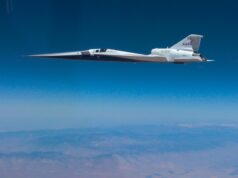






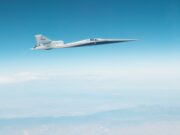

























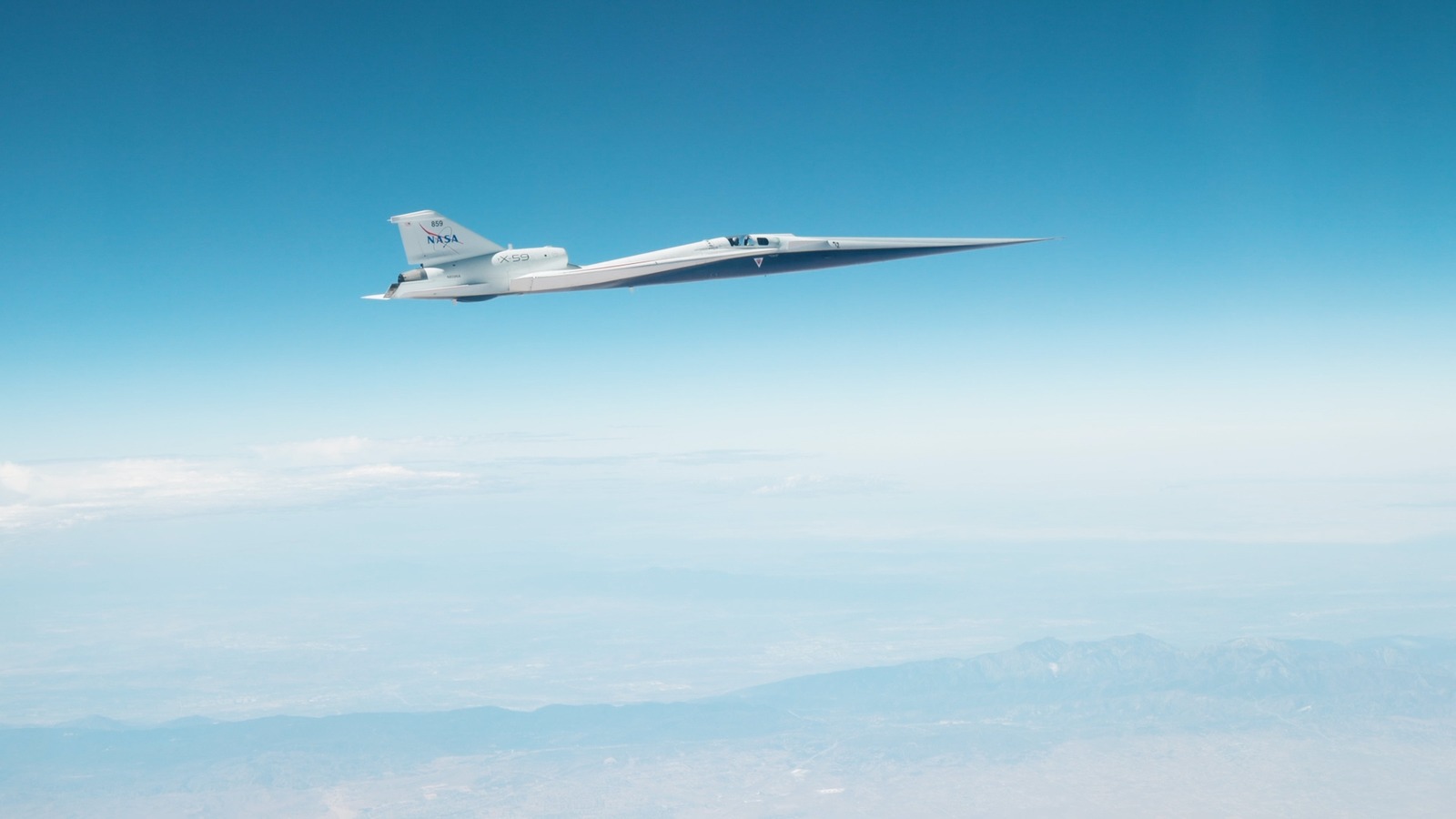
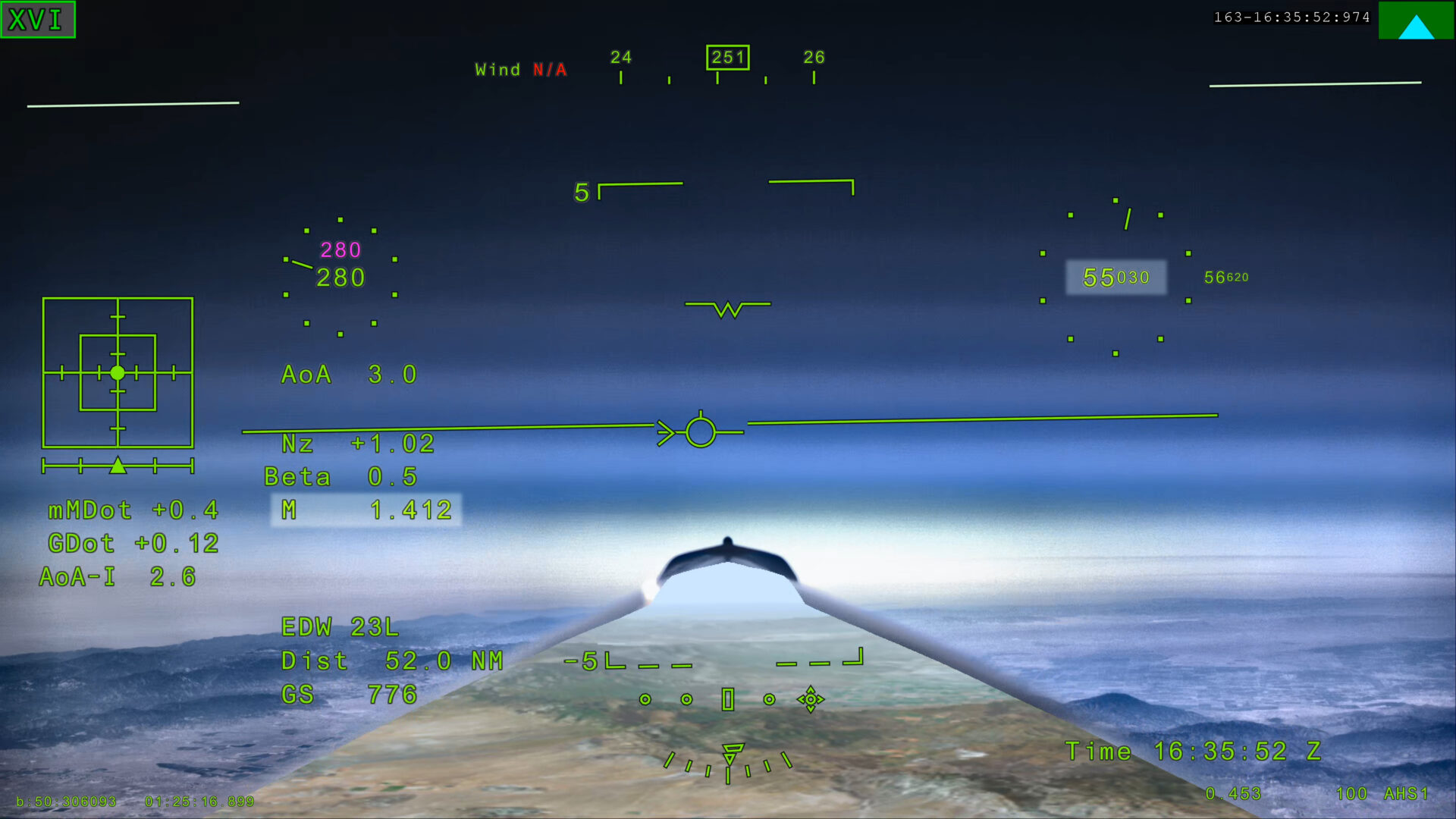
NASA’s X-59 quiet supersonic jet just reached the flight profile it needs for the mission’s next act. The aircraft flew at Mach 1.4, or about 924 mph. It also climbed to 55,000 feet during a June 12 test flight, according to NASA’s Quesst team.
Those numbers matter because they match the conditions NASA expects to use during future community overflights. The agency wants to learn what people hear on the ground. If the design works, they should hear a softer sonic thump instead of the sharp boom that made supersonic travel over land so difficult.
Why this X-59 flight matters
The X-59 is the centerpiece of NASA’s Quesst mission. The program is trying to prove that faster-than-sound aircraft can be quiet enough for a new regulatory conversation. NASA plans to fly the X-59 over several U.S. communities. Then it will survey residents and share the results with regulators.
The pace has picked up quickly. Tech My Money previously covered the moment when NASA’s X-59 broke the sound barrier for the first time. That June 5 flight reached Mach 1.1. One week later, the jet hit the higher speed and altitude NASA needs for its public-response work.
The quiet part still has to be proven
NASA is not yet asking the public to judge the sound. The X-59 has been flying with a NASA F-15 research aircraft. That chase plane can produce traditional sonic booms. As a result, it can mask the X-59’s own acoustic signature during early tests.
Next, NASA will focus more directly on the aircraft’s sound profile. A shock-sensing probe on the F-15 will help measure the X-59’s shock waves. After that, the program can move toward acoustic validation and later community flights.
What readers should watch next
The milestone moves the X-59 beyond simply proving it can go supersonic. Now it has shown it can do the job at mission conditions. If the quiet-thump data holds up, NASA could give regulators real-world evidence for updating rules around faster-than-sound commercial flight.
That does not mean quiet supersonic airliners are suddenly around the corner. However, the X-59 has reached the speed and altitude NASA needs before the harder question begins: how loud does the future of fast travel sound from someone’s backyard?