
























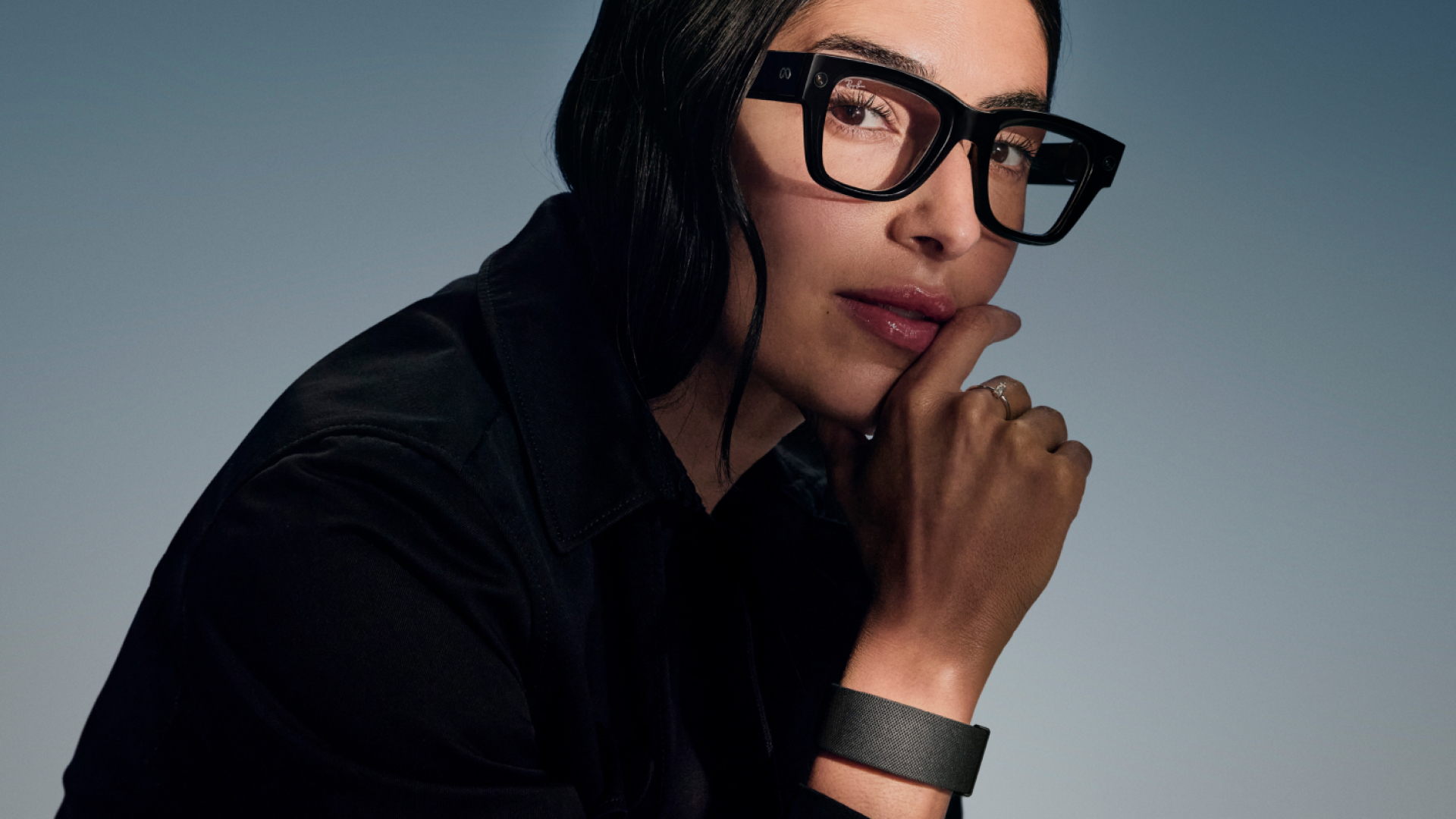
Meta hologram is the company’s new photorealistic stand-in for video calls on glasses. The company announced it at Connect 2026. That pitch is simple: show your face when the camera on your frames is pointing at the world, not at you.
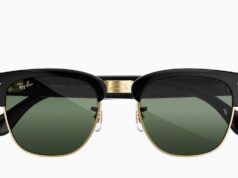
The first shipping window is Meta Ray-Ban Display. Hologram starts Early Access on WhatsApp for US Display users later this fall. After that, it arrives on Meta VR Glasses when those frames go on sale in spring 2027.
How Meta hologram works on Display
Meta Ray-Ban Display already handles hands-free WhatsApp and Messenger video. The other person usually sees what you see. Instead, they do not see your face, because the glasses have no selfie camera.
Hologram is Meta’s answer. You do a short self-capture in the Meta AI app. Then callers get a photorealistic digital version of your face. Meta says your hologram is driven entirely by your voice, and the hologram model infers your expression from what you are saying. You do not prop a phone in front of your face, and you skip the awkward angle.
Specifically, Early Access is WhatsApp only, in the US, on Display. Still, Meta has not listed a public date inside the fall window. It also has not said when other calling apps will follow on those glasses.
VR Glasses make it a room-scale call
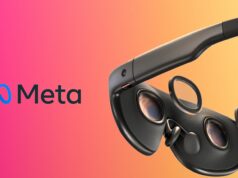
On Meta VR Glasses, hologram aims at presence. Meta says a hologram appears in front of you, with spatial audio placing the voice where that person stands. Meanwhile, callers on a phone or computer still see your hologram on their screen. WhatsApp through Zoom Workplace are the calling apps Meta lists for VR Glasses.
Setup is still a quick phone capture. The VR hardware is a later, heavier lift. Meta VR Glasses weigh about 100 grams, tether to a pocket puck, and start at 1299 dollars. They remain a spring 2027 product, not a fall software drop.
This is the public version of a long Meta research thread on photoreal avatars. However, it is not the same thing as Muse Realtime Avatar, which Meta Superintelligence Labs is using to give the Muse agent a face. Hologram stands in for you on a call. Muse’s avatar stands in for the agent.
Finally, this is still a preview-class feature. Meta has not published independent quality tests. As a result, Display users get the first look this fall. VR Glasses users wait until launch. Earlier leaks of a Phoenix-shaped headset already pointed at this glasses form factor. Hologram is the social pitch sitting on top of it.