




























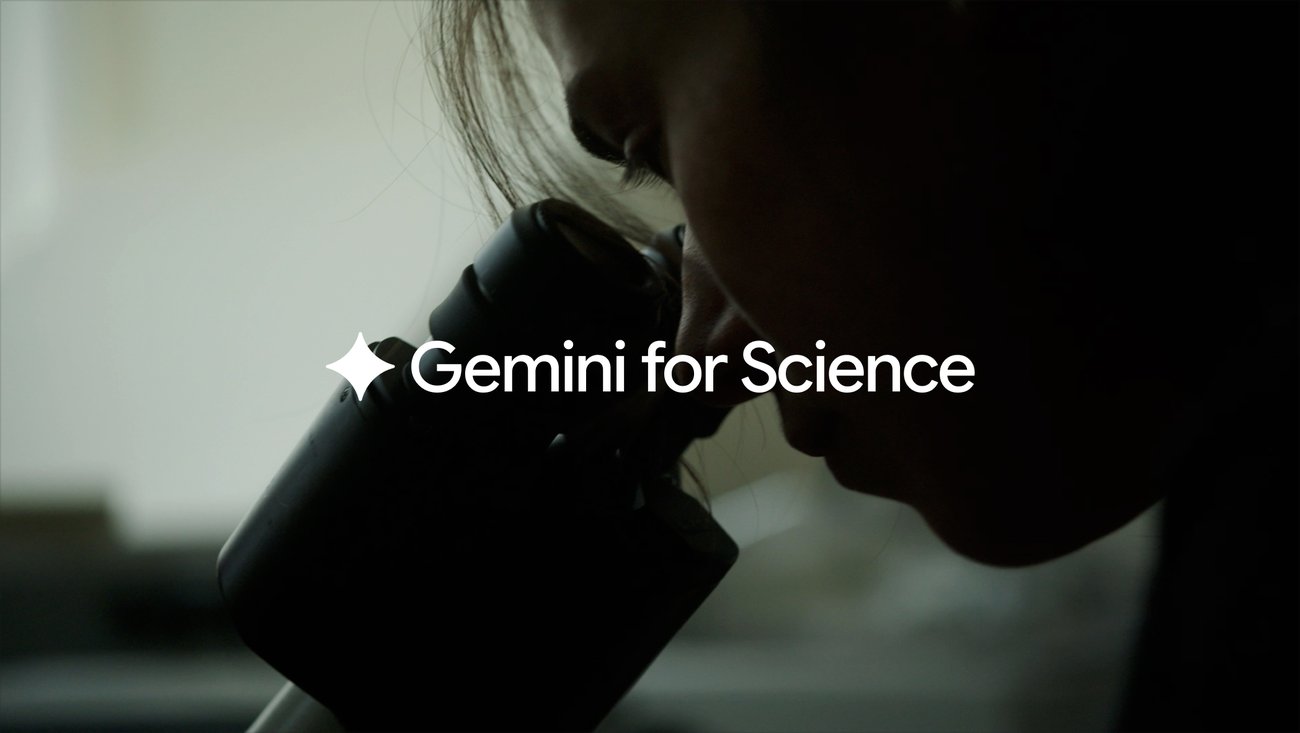
Google is rolling out new AI tools aimed at scientific research, including Gemini for Science, a system the company says is designed to help researchers move through complex discovery workflows faster.
The goal is not just to summarize papers. Google is positioning these tools around the bigger research loop: reading literature, generating hypotheses, planning experiments, analyzing data and helping teams make connections that would be slow to find manually.
What Google is trying to solve
Scientific work can be painfully fragmented. Researchers often move between papers, lab notes, data files, code, simulations and collaboration tools. Google’s pitch is that AI can help connect those steps, especially when a project requires pulling signal from a large body of research.
Gemini for Science is part of that push. Google says it is working on AI systems that can help with tasks such as hypothesis generation and research planning, while still keeping scientists in control of the process. That last part matters. In science, an AI suggestion is not a result. It is a starting point that still needs evidence, testing and review.
The Tech My Money take
This is one of the more practical uses of advanced AI if it works as promised. A tool that helps scientists move faster through literature and experimental planning could save time in areas where progress is expensive and slow.
The risk is overconfidence. Research AI has to be accurate, transparent and careful about uncertainty. A flashy answer is not enough when the stakes involve health, climate, materials, biology or physics. Google’s best path is to make these tools useful assistants, not magic black boxes.
If Google can keep the workflow grounded and auditable, Gemini for Science could become a meaningful part of how researchers organize early-stage discovery work.