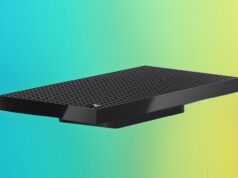


























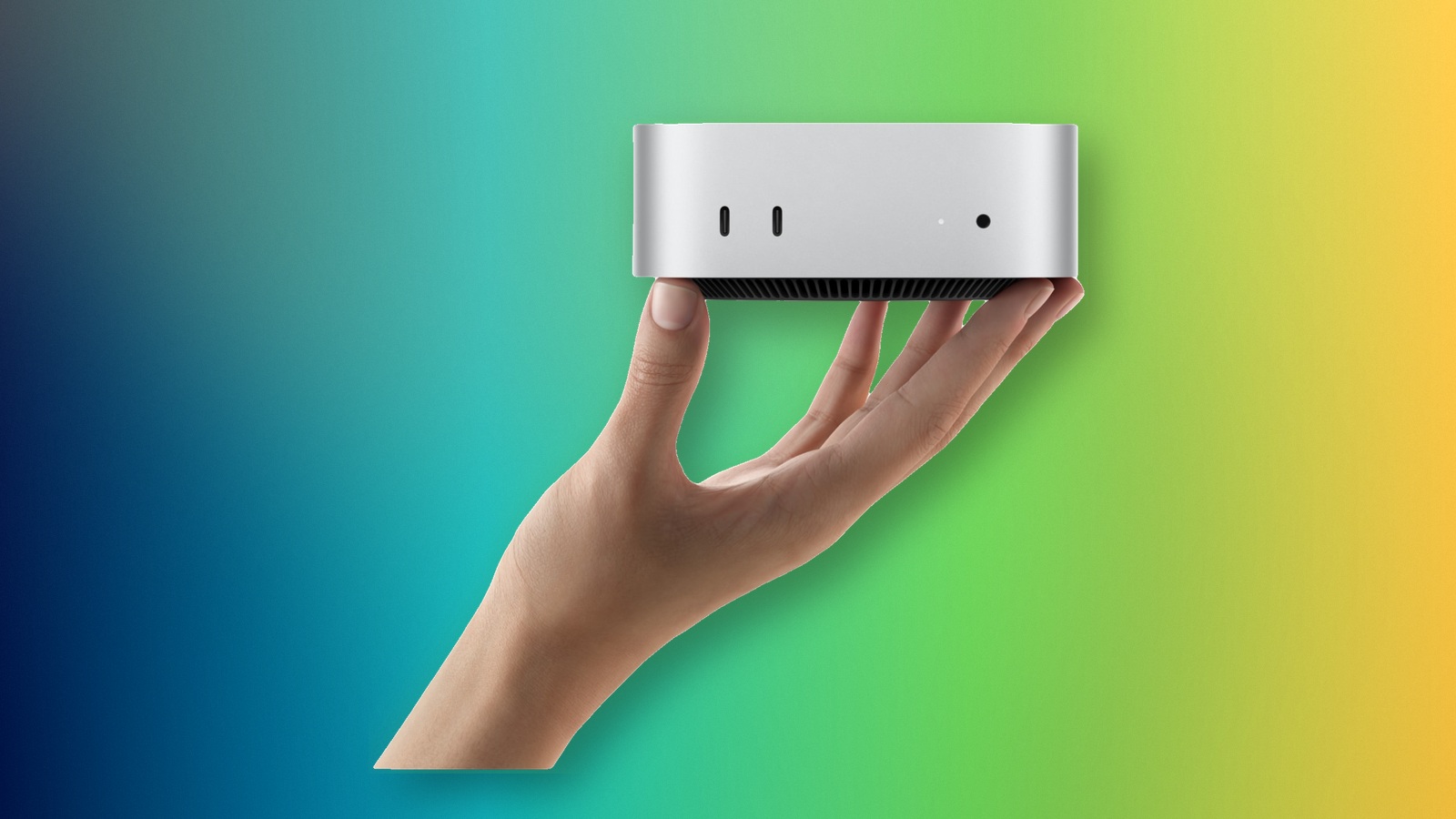
Apple M6 Mac mini is official. Apple also refreshed Mac Studio with M5 Max and M5 Ultra. The company’s Mac mini announcement and Mac Studio release frame both desktops as serious local-AI machines. Preorders open now. Both systems reach customers on September 22.
The M6 Mac mini pushes AI work closer to the desk
The refreshed Mac mini starts at $899 with M6. It starts at $1,699 with M5 Pro. Apple says M6 combines a 12-core CPU and a 12-core GPU. The GPU adds Neural Accelerators in every core. M6 also carries a Dual 16-core Neural Engine.
Consequently, Apple claims up to four times faster AI performance versus the M4 Mac mini. It also claims twice the graphics performance and twice the storage speed. Those are Apple figures, not independent benchmarks. Still, the company is making its local-AI pitch unusually explicit for a small desktop.
The M6 model supports up to 32GB of unified memory. It offers up to 170GB/s of memory bandwidth. That matters for people who run models and automations locally. These buyers want to avoid sending every inference to a cloud service. Meanwhile, M5 Pro reaches an 18-core CPU and a 20-core GPU. It is built for heavier creative or development work.
Connectivity gets a practical refresh as well. Both versions add Wi-Fi 7 and Bluetooth 6. They also include 2.5Gb Ethernet. Apple offers 10Gb Ethernet as a configuration option. Specifically, M6 has three Thunderbolt 4 ports. M5 Pro gets Thunderbolt 5. That separation makes the Pro model the better fit for faster storage or larger model setups.
Mac Studio takes the bigger leap with M5 Ultra
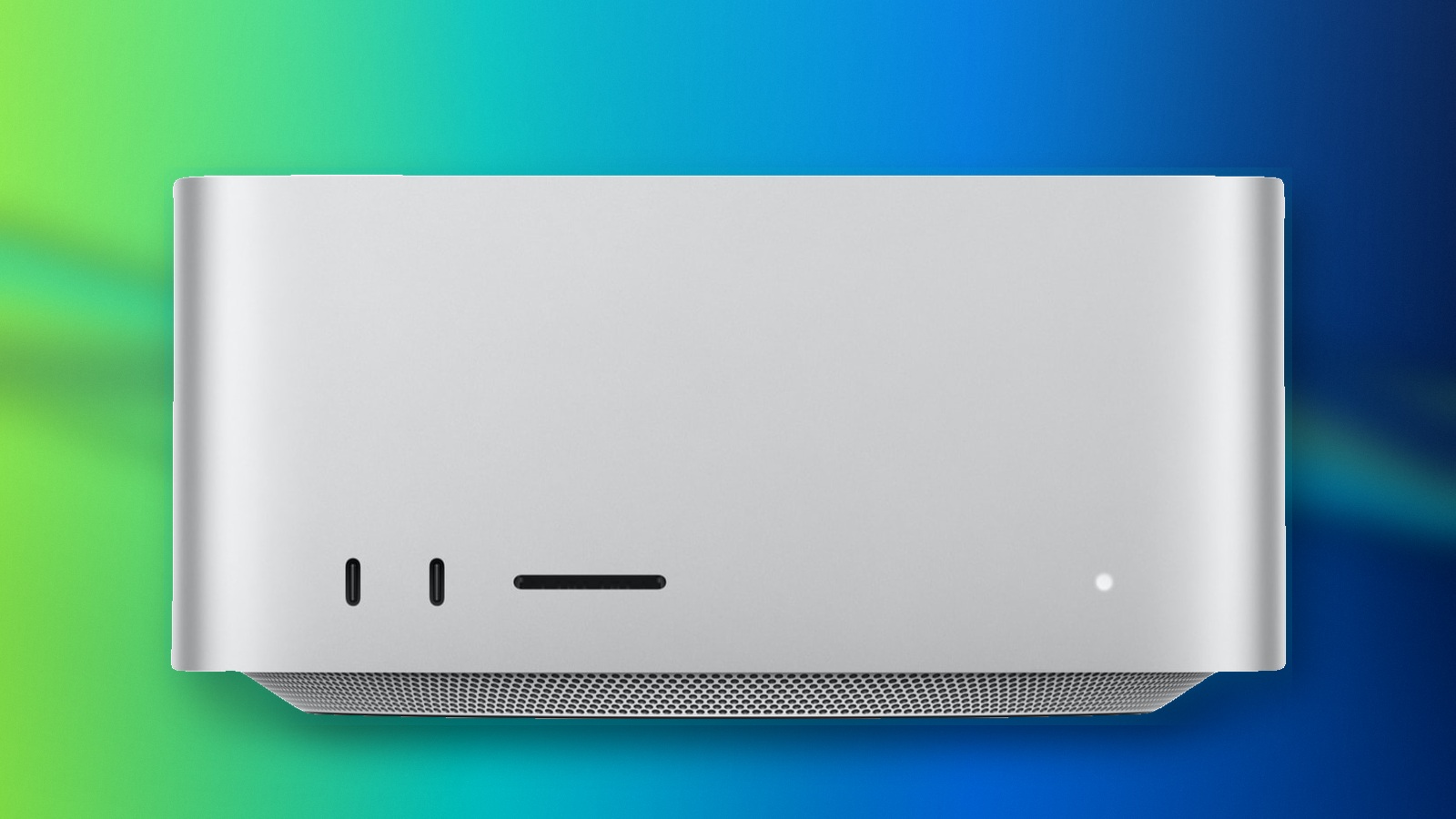
The Mac Studio starts at $2,499 with M5 Max. It starts at $5,499 with M5 Ultra. Apple says the M5 Max model has an 18-core CPU. It can include a 40-core GPU and 128GB of unified memory. However, M5 Ultra is the headline configuration.
Apple says M5 Ultra can scale to a 36-core CPU and an 80-core GPU. It can also reach 512GB of unified memory. Its memory bandwidth reaches 1.2TB/s, according to Apple. Apple says the M5 Ultra Mac Studio can scale to 512GB of unified memory. That capacity targets large local models, high-end video work, 3D rendering, and specialized development tasks.
In addition, the new Studio brings Wi-Fi 7 and Bluetooth 6 to the line. It offers Thunderbolt 5 for external storage and PCIe expansion. Apple says Thunderbolt 5 with RDMA can connect multiple Mac Studio systems. The company describes that as a path to distributed AI inference. The 512GB configuration arrives later, in late October.
Apple also says M5 Ultra doubles the video encode and decode blocks found in M5 Max. It claims the system can play 33 streams of 8K ProRes 422 video at 30 frames per second. That claim illustrates the gap between a capable compact desktop and a workstation aimed at production teams.
The upgrade is real, but so is the price jump
Apple’s new desktops make a stronger local-AI case. Their price floors have climbed sharply, though. The M6 Mac mini still starts with 16GB of unified memory. It also starts with 256GB of storage. Therefore, many buyers will need a configuration upgrade quickly. More memory, faster ports, and large local models all push the price higher.
Current Mac owners should choose by workload. Mac mini suits a compact desktop or home server. It is also a logical first local-AI machine. Mac Studio is for buyers who can use its memory ceiling and GPU capacity. Also, macOS 27 is approaching. Tech My Money previously covered how a macOS Tahoe release candidate hinted at unreleased Apple hardware. We also covered how Apple Creator Studio added on-device AI tools for creative apps.
Independent testing will decide how these claims hold up. Still, the direction is clear. Apple wants more desktop work to happen locally. More unified memory, faster interconnects, and new neural hardware support that goal.