





















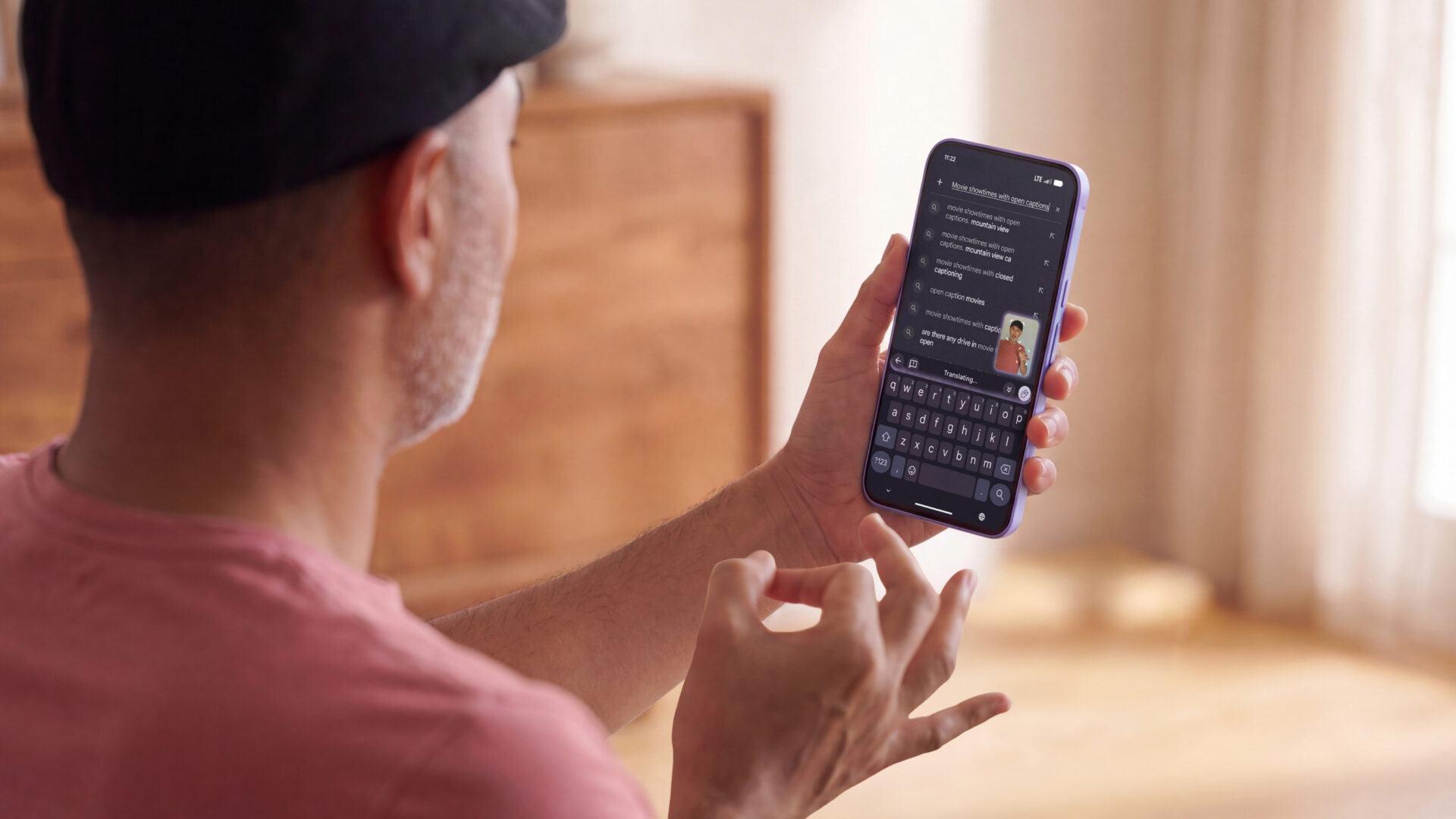
DeepMind SL2T is a new sign language-to-text model that debuts with Google’s Pixel 11 phones. Starting with American Sign Language to English, users can sign into Gboard and Live Transcribe instead of typing. That opens faster search, messaging, and Gemini chat for Deaf and hard of hearing people who prefer signing.
Google DeepMind frames the launch as more than a Pixel gimmick. Therefore it pairs the model with Android accessibility surfaces people already use. Meanwhile the company says it built SL2T with the Deaf community, including Deaf Googlers and its AI Sign Language Advisory Committee.
How DeepMind SL2T works
DeepMind trained the system on more than 100,000 hours of multilingual sign language data. About a quarter of that corpus is ASL. For that reason, launch support is ASL-to-English only. However the training mix was deliberately multilingual so the model can learn shared structure across sign languages.
SL2T does not send raw camera video to the cloud. Instead, a separate on-device model converts the feed into pose landmarks—a wireframe of geometric coordinates. Those landmarks leave the phone. DeepMind says that design protects privacy. Moreover the server-side model translates landmarks straight into text.
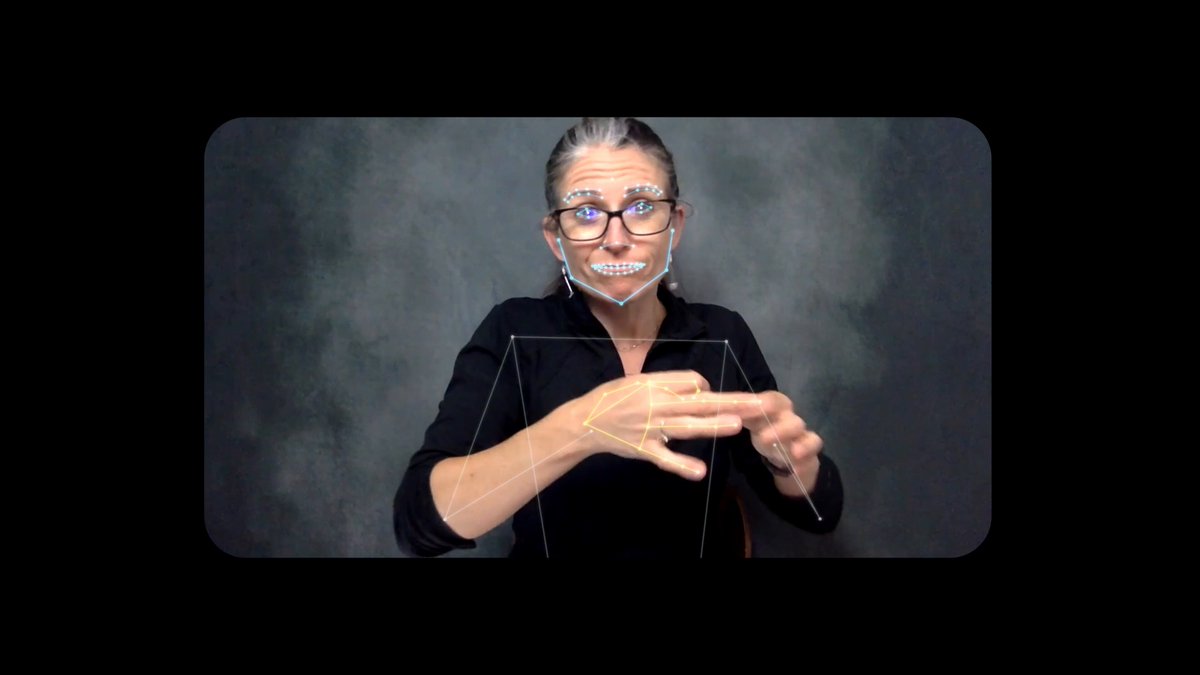
Older pipelines often produced intermediate “glosses,” simplified token labels for signs. DeepMind argues glosses miss non-manual markers and spatial constructions. Consequently SL2T maps landmarks directly to text so quality can scale with data instead of a fixed gloss vocabulary.
Pixel 11 debut and real-world use
The feature ships with the Pixel 11 family launch. Users can sign in front of the camera wherever they would normally type. DeepMind also claims state-of-the-art scores on academic benchmarks. In addition, it optimized for messy real use, including one-handed signing while holding a phone.
That matters for day-to-day Android work. Likewise Live Transcribe remains a core accessibility surface for speech-to-text. Folding SL2T into the same toolkit keeps sign input next to tools people already know. Google plans more languages and devices later. Still, ASL-to-English on Pixel 11 is the first shipping step.
Why the scope is still narrow
DeepMind notes there are more than 70 million Deaf and hard of hearing people worldwide. They use roughly 200 sign languages. Therefore one language pair is only a start. The company also stresses diversity inside Deaf communities: signing, speaking, reading, and writing skills vary widely. Support must cover multiple modalities, not only one AI path.
For context on the wider Pixel 11 launch, see our coverage of the Pixel 11 Pro and Pro XL camera stack. On the input side, Google has also pushed local speech tools such as AI Edge Eloquent for free on-device dictation. SL2T sits in the same accessibility lane, with a different privacy boundary because server translation still runs on pose data.
What to watch
Watch accuracy across signing speeds, dialects, lighting, and one-handed phone grips. Moreover track whether Google expands beyond Pixel 11 and ASL quickly. For now, DeepMind SL2T is a concrete product: ASL input on Pixel 11 Gboard and Live Transcribe, with on-device pose tracking and cloud text generation.