


















Microsoft Project Solara is not a normal gadget announcement. Microsoft is pitching it as a chip-to-cloud platform for agent-first devices, starting with enterprise badge and desk reference designs.
Steven Bathiche laid out the project in Microsoft’s Command Line publication. He is CVP and Technical Fellow in Microsoft’s Applied Sciences Group. The key shift is from apps people open to agents people invoke across tasks, workflows, and devices.
Badge and desk concepts
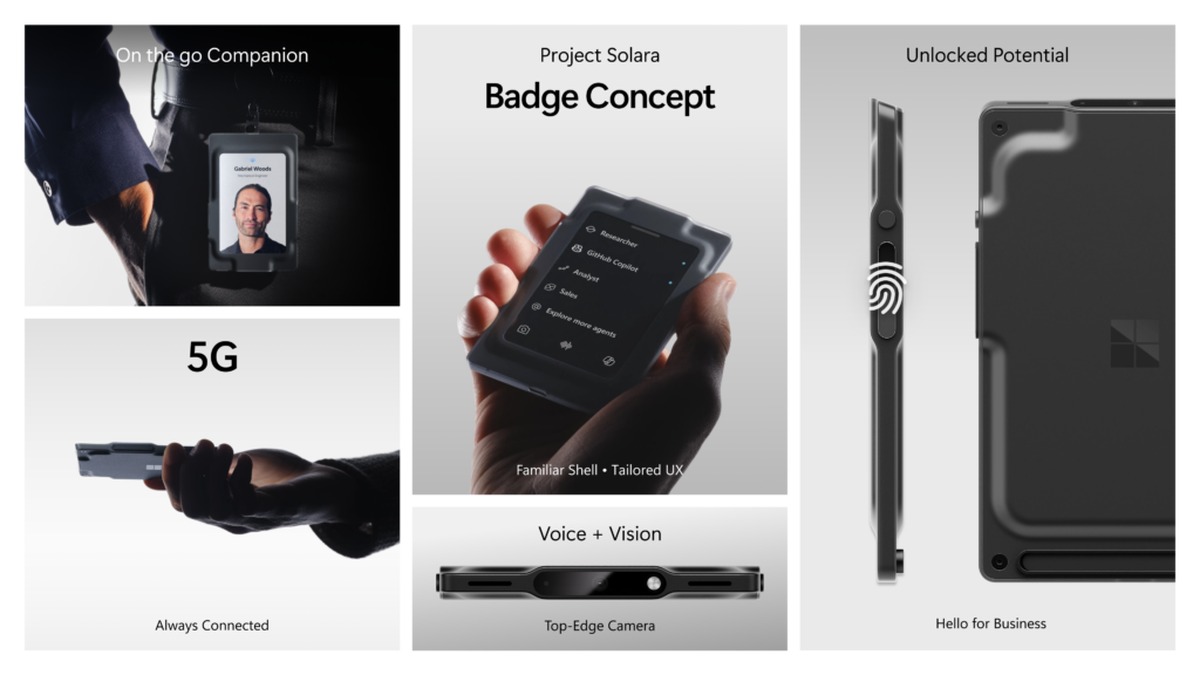
The badge concept is aimed at mobile workers. Microsoft names information workers, nurses, and front-line staff as examples. Microsoft lists a touchscreen, fingerprint-based Hello for Business access, privacy controls, a far-field microphone array, speaker, side-facing camera, Wi-Fi, Bluetooth, GNSS, 5G, and Qualcomm wearable silicon.
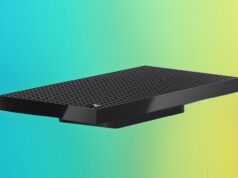
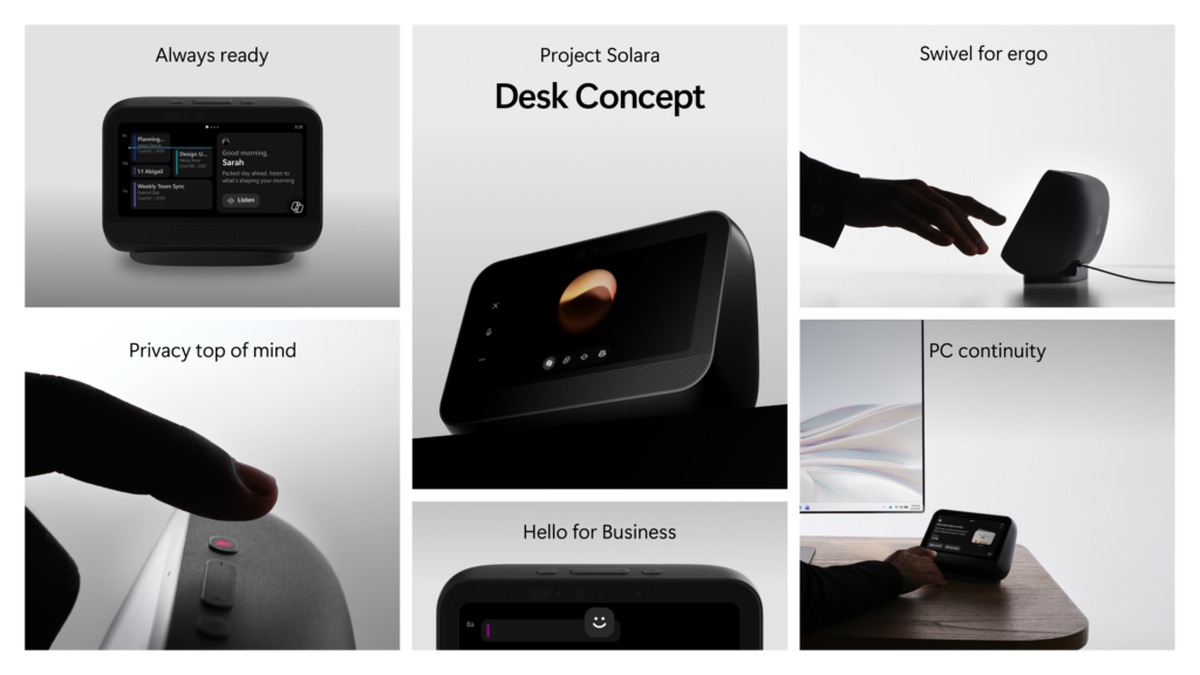
The desk concept is the stationary version. It includes a touchscreen, face authentication, privacy lock buttons, microphone mute, and volume controls. Microsoft also lists dual far-field microphones, a full-range speaker, UWB presence sensing, two USB-C ports, Wi-Fi, Bluetooth, and MediaTek IoT silicon.
The software layer matters more than the shell
Solara is built on Microsoft Device Ecosystem Platform, an enterprise-grade AOSP-based operating system. Microsoft also ties the platform to an Agent Shell, Intune management, Entra ID, and Hello for Business.
That makes the story more concrete than the previous draft suggested. Microsoft says hundreds of its own employees are already using concept devices, and it lists partner exploration across Microsoft 365 Copilot, Researcher, Facilitator, Priority Agent, GitHub Copilot, and Dragon Copilot.
Still, these are reference designs, not finished consumer products. The right caveat is not that Solara is vague hardware hype. It is that Microsoft needs partners and enterprise pilots to turn the platform into devices people actually deploy.
Related: Microsoft 365 Copilot is already moving toward workspace-style agent surfaces.
That source-first framing also fixes the image problem. Microsoft published actual badge and desk reference-design visuals.
Those images explain the platform better than a custom diagram because readers can see the form factors Microsoft is testing.
For a draft like this, the correct image ladder is official Microsoft media first, then analysis around what the reference hardware means.