






























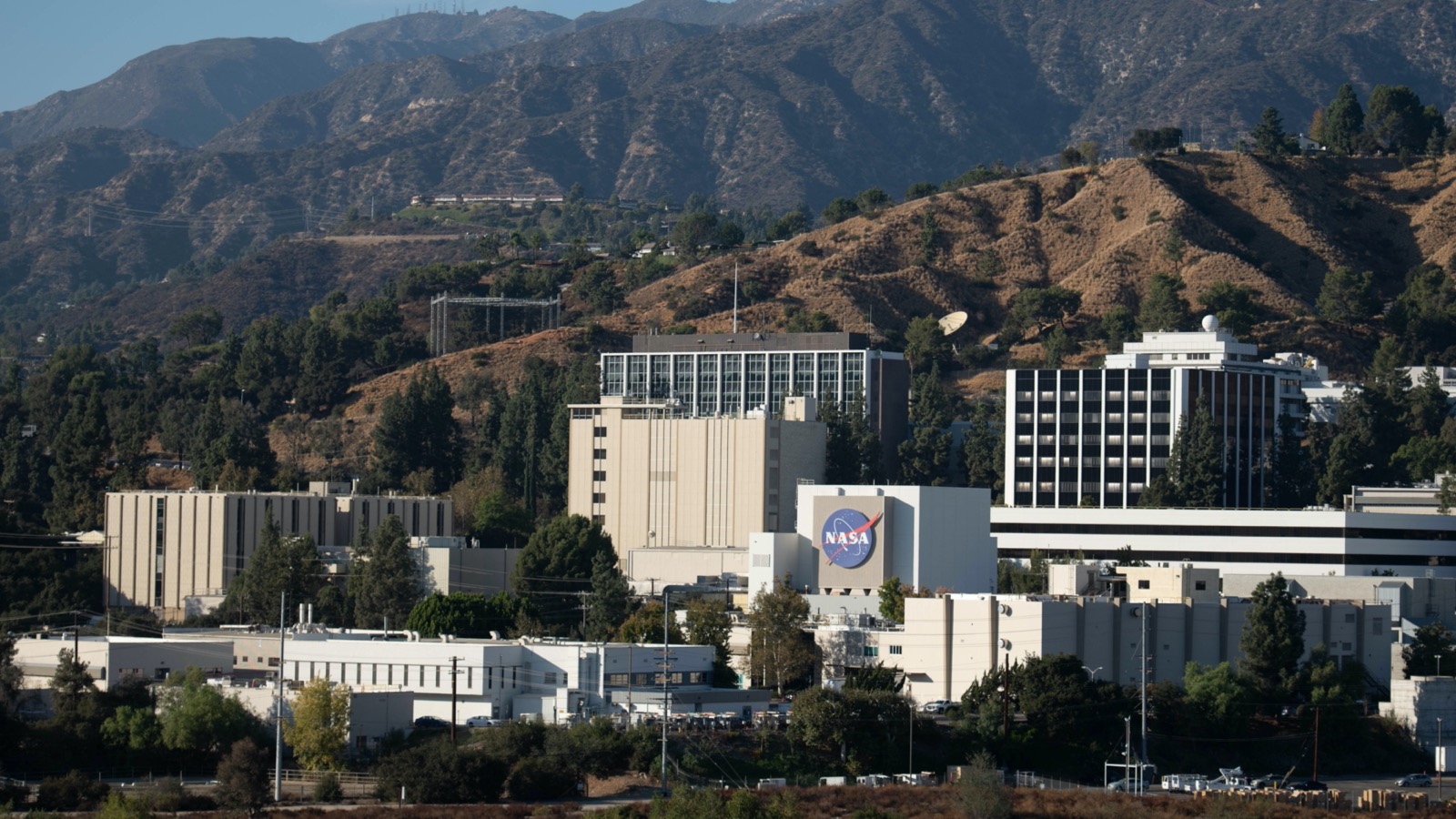
NASA JPL contract changes are officially on the table. NASA says it will compete the next agreement to manage and operate the Jet Propulsion Laboratory.
That ends the automatic path that has kept Caltech in charge for decades. The move does not mean Caltech is out. It means NASA wants other qualified bidders to make their case before the current deal ends on Sept. 30, 2028.
Why NASA is opening the JPL contract
Caltech has managed JPL since the lab’s early days in the 1930s. NASA says its previous management contracts have been awarded to the university on a sole-source basis since 1958.
NASA framed the competition as a value and performance check. In its announcement, the agency said the growth of the U.S. space economy may now support a competitive market for parts of JPL’s federally funded research and development center operations.
The agency also said a competition could help it evaluate new management approaches. NASA wants to improve mission performance, increase innovation and control operational costs.
What it means for JPL missions
NASA Administrator Jared Isaacman said JPL has delivered “extraordinary scientific and engineering achievements.” He also argued the agency has a responsibility to look at faster and more efficient ways to operate.
JPL remains one of NASA’s most important labs. Its work touches robotic exploration, deep-space science, Earth observation and technology development.
Tech My Money readers recently saw that role in action with NASA’s Psyche mission using Mars for a gravity assist on the way to a metal-rich asteroid.
The money behind the decision
The money involved is big. NASA says the current Caltech contract began Oct. 1, 2018. It could be worth as much as $30 billion if all options are exercised.
Starting the procurement process now gives NASA time to run the competition while keeping JPL’s ongoing missions stable. The agency says it is committed to continuity for current and future missions.
NASA also says JPL’s physical location in Southern California will remain in place. So this is not a lab shutdown story. It is a management, accountability and cost-control story, with one of America’s most famous space labs at the center of it.