

















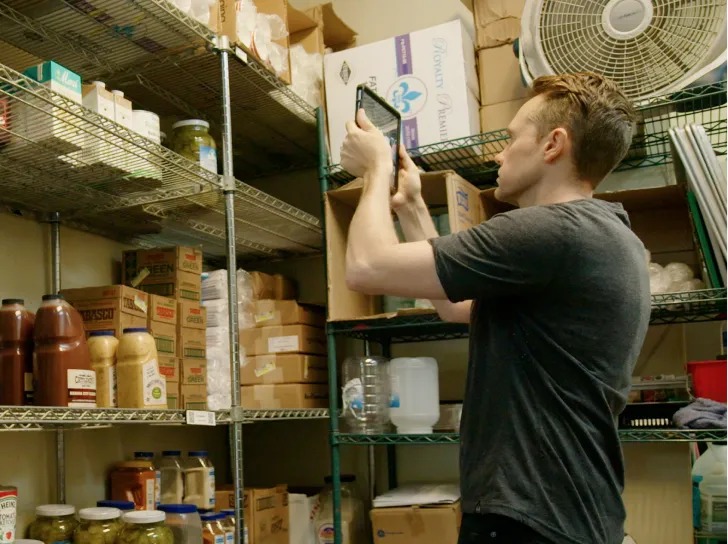
Starbucks is ending its Starbucks AI inventory tool after only nine months, according to Reuters. The company told North American stores to stop using Automated Counting, a shelf-scanning system built with NomadGo, after workers kept running into bad counts and mislabeled items.
The idea sounded practical on paper. Baristas could scan shelves with a handheld tablet, then the system would identify stock levels for milk, cold foam, syrups, caramel drizzle, and other ingredients. However, Reuters reported that the tool confused similar products and missed items during scans. That made the output hard to trust during real store shifts.
Why Starbucks Pulled the Tool
Starbucks rolled out Automated Counting across North American stores in September 2025. At launch, the pitch centered on speed and consistency. If the tablet could spot shortages faster, stores could keep popular add-ons available and reduce backroom time for employees.
Instead, the system created another task for workers to check. Reuters said Starbucks will return beverage components and milk to the same counting process used for other inventory categories. One employee response cited in the report praised the shutdown and said the concept made sense, but the execution proved difficult.
That last part matters. Retail AI has to work under messy conditions: crowded shelves, similar packaging, bad lighting, and stores moving fast. A demo can look slick, but a store manager needs reliable counts every day. When employees have to verify every result anyway, the automation loses its point.
A Small AI Lesson for Retail
The failure does not mean AI has no place in restaurants or retail. Still, it shows why companies need boring accuracy before bold rollout claims. Computer vision can help inventory teams, but the margin for error gets tight when the product list includes several lookalike bottles and milk types.
For Starbucks, the move also lands during a larger technology reset under CEO Brian Niccol. The chain wants faster service, better supply visibility, and fewer customer disappointments. However, this Starbucks AI inventory tool became a reminder that efficiency software only helps when workers can trust it. Tech companies keep selling AI as an efficiency shortcut, but real workplaces judge it by the problems it removes. That is also why broader AI efficiency pushes keep drawing scrutiny.