
























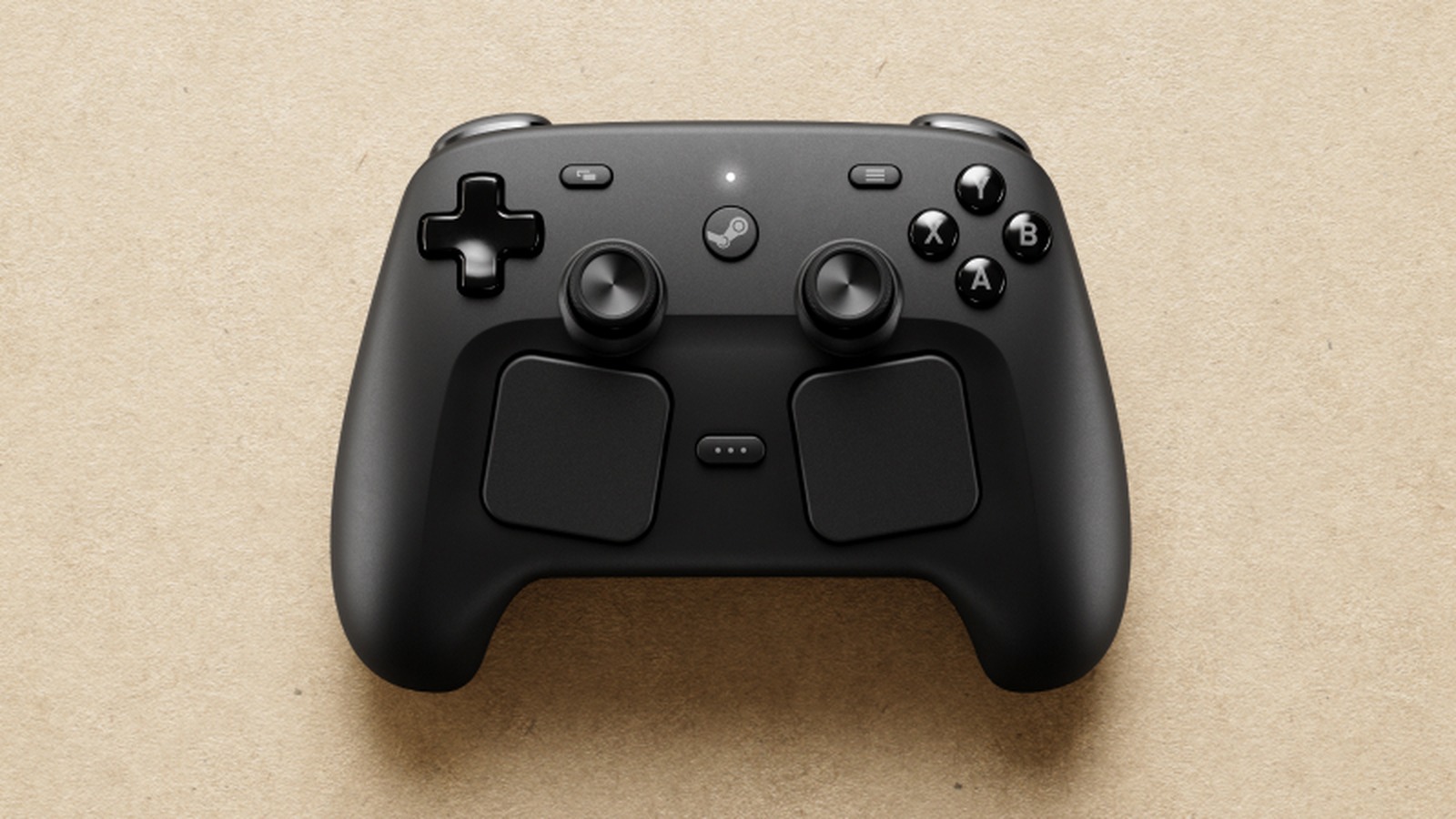
Valve’s new Steam Controller is already built for Steam, but its most interesting inputs are starting to matter outside Valve’s own launcher too. A merged SDL pull request adds support for the controller’s touchpads, capacitive stick touch and grip sensing.
That sounds nerdy, because it is. It also matters. SDL sits under a huge number of games and apps, so better controller support there can help the Steam Controller behave more like itself in software that does not lean directly on Steam Input.
The pull request merged on May 14 and testers reported that the added inputs worked in SDL tools, including setups without Steam running. Gyro support was already present, so this fills in more of the controller’s identity instead of treating it like a generic gamepad.
There are still caveats. SteamOS Gaming Mode, individual games and non-SDL software can behave differently. Developers also have to make use of the new inputs. But for a controller built around touchpads and grip controls, this is the kind of low-level plumbing that can make or break the hardware.
For PC players who like odd input devices, that is good news. It also lines up with the broader controller work we have been tracking in our gaming hardware coverage.
This also helps explain why low-level software support matters in gaming. A controller can have clever hardware, but players only feel that advantage when games and apps can actually read the inputs. SDL support makes that path easier for developers.
The update should also make the controller more attractive to tinkerers. People who run launchers, emulators or Linux gaming setups often live outside the most polished Steam path, so broader input support gives the hardware a longer runway.