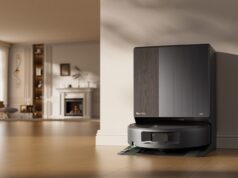




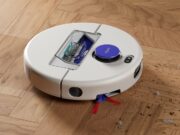














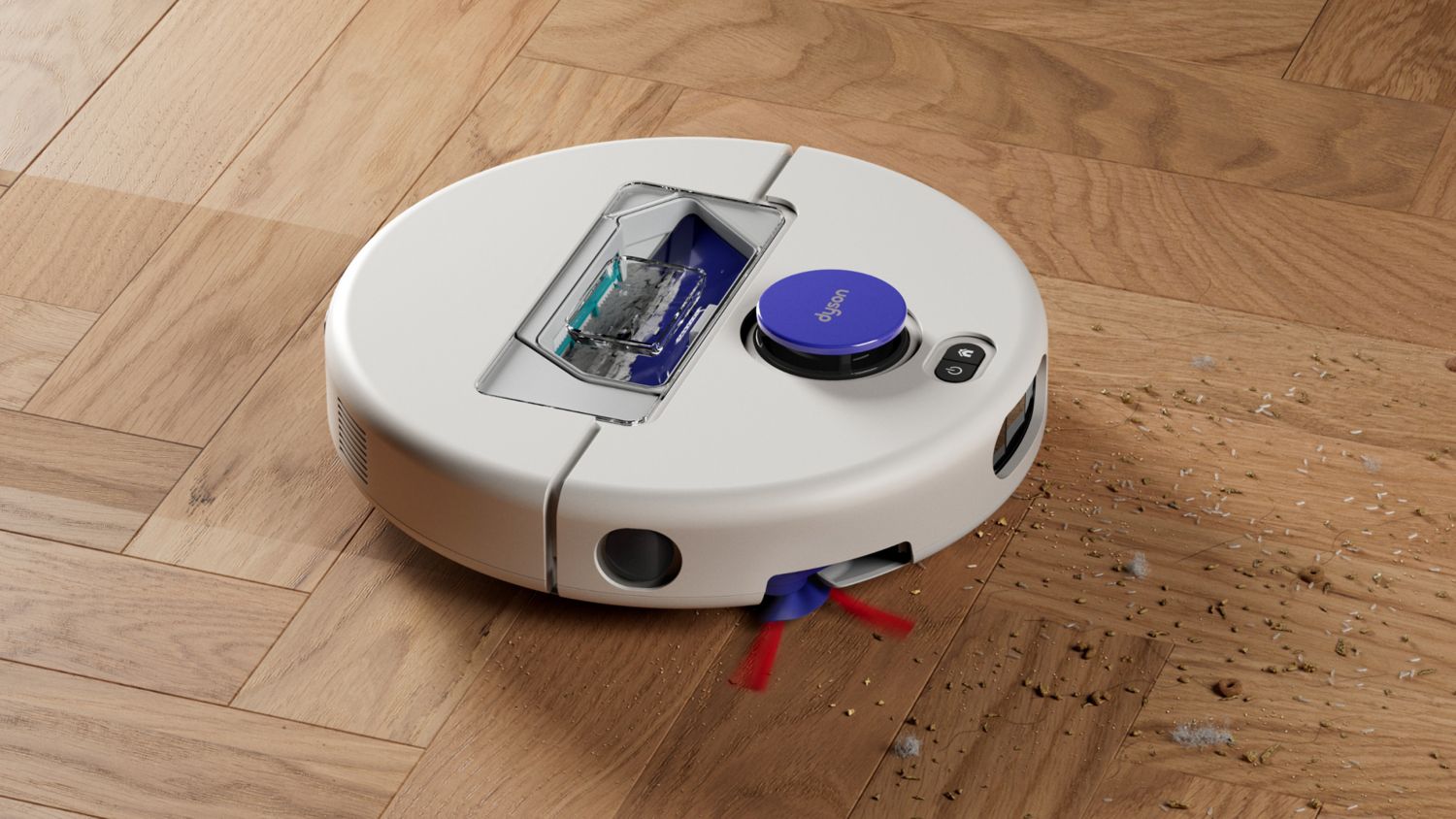
The Dyson Nurovi R1 Dry takes a simpler route to automated floor cleaning: it vacuums without adding a mop. Dyson introduced it alongside the R2 Wash+Dry and R3 Spot+Scrub UV in its September 3 announcement. The R1 now lists for $549.99 in the US, making it the option for buyers who want to leave wet cleaning separate.
That distinction matters if a robot’s main job is collecting crumbs, dust and pet hair. The R1 keeps a self-emptying dock and app control, while the other models add floor washing. However, those extras use different hardware: the R2 has rotating mop pads, while the R3 uses a wet roller and stain detection.
Dyson Nurovi R1 focuses on dry cleaning
Dyson rates the R1’s suction at 21,000 Pa in Powerful mode. Its Twin-capture system also uses brush-bar bristles to sweep up larger debris, leaving suction to collect finer particles. In other words, the design splits the pickup work between brushing and airflow. The pressure figure alone does not establish how well it cleans a real home.
Meanwhile, an extending side sweeper reaches toward walls and corners. Dyson says its brush geometry guides debris toward the intake and reduces hair wrapping. The company also lists LiDAR mapping, obstacle sensors and app controls for cleaning schedules and no-go zones.
Importantly, dust detection and floor detection are separate jobs. The R1’s piezo sensor measures dust, while an ultrasonic sensor distinguishes hard floors from carpet. Automatic suction adjustment depends on Auto Mode. The R1 product page sets out those conditions, alongside its bagless dock’s self-emptying function.
Dyson says the dock can store up to 90 days of dry debris. However, that estimate comes from internal testing and varies with usage, debris and floor surfaces. It is a storage claim, not a promise that the robot needs no maintenance.
R2 adds pads designed to reach corners
For buyers who also want mopping, the R2 Nurovi Wash+Dry adds two pads shaped like Reuleaux triangles. Their curved sides keep a constant width as they turn. Combined with an off-center movement pattern, Dyson says the shape helps the pads reach along edges and into corners.
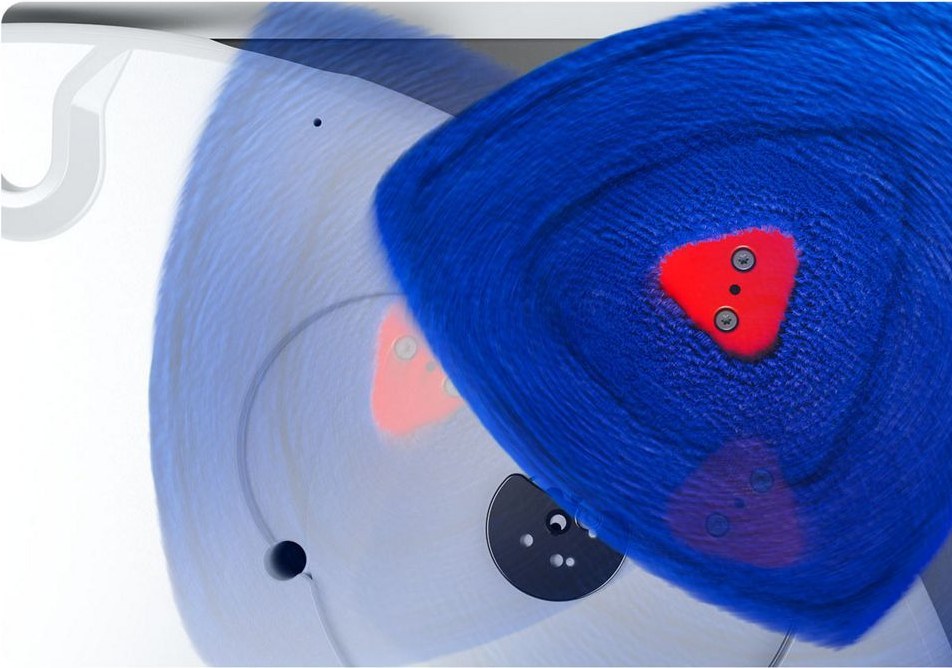
The R2 also shares the Twin-capture approach. However, its dock has a separate wet-cleaning maintenance job. According to Dyson’s R1/R2 newsroom announcement, the dock washes the pads with 167°F water, then dries them with 113°F air. Those temperatures describe pad washing and drying at the dock.
That gives shoppers another approach to compare with the Roomba Max 875 and Plus 678 Combo. The useful comparison is how each machine handles the floors and corners in a home, beyond its suction specification.
R3 uses UV to help identify stains
Meanwhile, the R3 Nurovi Spot+Scrub UV targets a different problem: finding stains before washing them. Dyson combines UV illumination with AI vision and says the system identifies nearly 200 kinds of substances and objects. It then checks the area during cleaning, although results depend on stain type and severity.
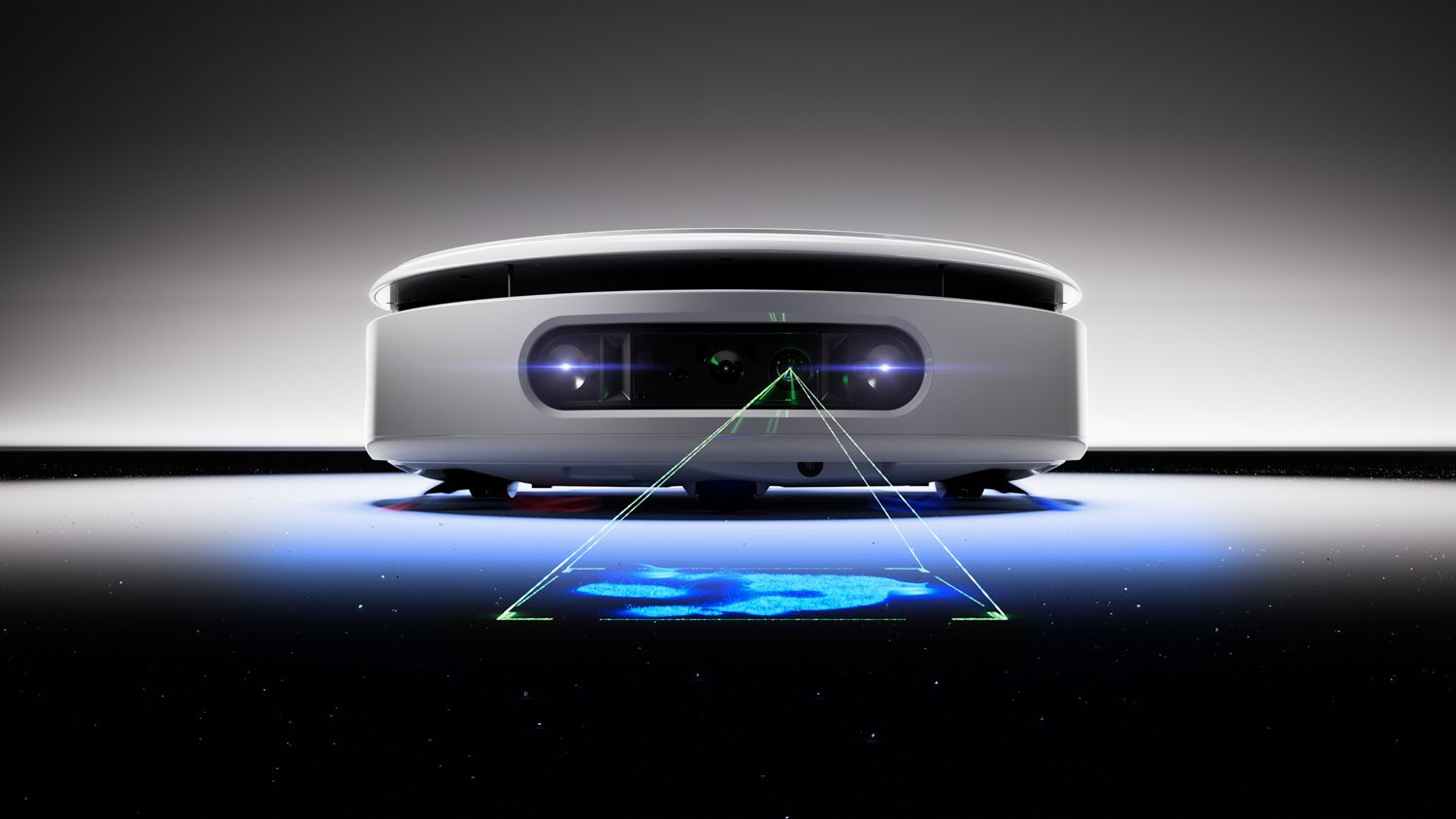
The R3’s wet roller system uses heated water for cleaning. Dyson also rates its motor at 30,000 Pa and claims 65% more suction pressure than the Spot+Scrub Ai. That comparison comes from Dyson, rather than an independent test. Buyers weighing it against machines such as the Dreame X60 Pro should keep that distinction in mind.
Dyson Nurovi US prices and availability
As of September 20, Dyson’s US store listed the R1 at $549.99 and in stock. In contrast, the R3 listed at $1,199.99 but showed out of stock. A listed price therefore does not mean every announced model is ready to ship.
The R2 appears in a Costco listing, but we could not verify a public price or nationwide availability from that page. For now, the clearest choice is between the R1’s dry-only role and the added washing hardware of its siblings.