




























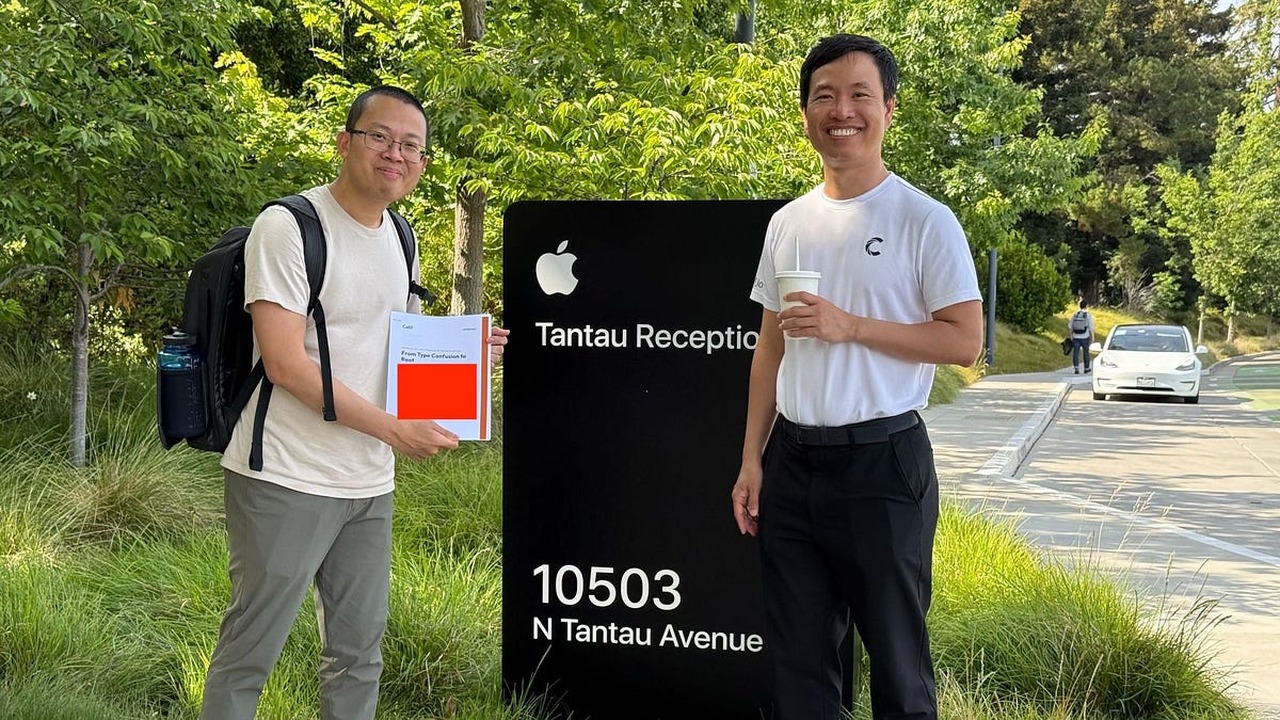
Anthropic Mythos macOS exploit research is giving security teams another reason to take AI coding agents seriously. Calif says its engineers used Anthropic’s Mythos Preview to help build a working macOS kernel memory-corruption exploit on Apple M5 hardware.
The research does not mean every AI assistant can suddenly break Apple silicon. It does show how a capable agent can shorten the grind of exploit development when expert researchers already know what to ask, test and verify.
The hard part was still human
Calif says Apple has spent years adding hardware and software defenses against memory corruption attacks. That includes protections designed to make old exploit techniques unreliable. The team’s post argues that Mythos helped move through tedious investigation, code changes and testing much faster than a human-only workflow.
That distinction matters. AI did not magically discover a vulnerability and press a button. Researchers still framed the target, guided the tool and checked the result. The agent acted more like a fast junior reverse engineer that could keep working through many small steps.
Security teams will have to adapt
The Calif write-up lands at a time when AI agents are moving from demos into real engineering workflows. If defenders use them for triage and patch work, attackers can also use them for research and automation.
Apple will almost certainly keep hardening macOS and Apple silicon. The larger question is how quickly vendors can test fixes when AI-assisted exploit work speeds up. This is also why secure coding, code review and fast update pipelines matter more than ever. For related AI security context, see our coverage of OpenAI’s Daybreak cybersecurity initiative.
This is also a reminder that AI safety conversations cannot stay abstract. The same systems that help developers write secure software can help experts move faster through offensive research. That does not make the tools bad, but it does make clear testing, disclosure and responsible release practices more important.