























OpenAI is expanding Daybreak from vulnerability hunting into open-source patch work. The company introduced Patch the Planet, a Daybreak initiative built with Trail of Bits to help maintainers find, validate, and fix security issues in widely used open-source software.
The pitch is not just “AI found a bug.” OpenAI says the program pairs AI-assisted security research with expert human review, so maintainers are not handed a pile of raw model output. Security engineers validate findings, work on patches and tests, and coordinate disclosure through each project’s normal channels.
What Patch the Planet is supposed to do
Patch the Planet starts with the maintainer, according to OpenAI. Security teams talk with each project about where help is most useful. That can mean validating a vulnerability, building a patch, improving CI/CD, expanding tests, or setting up longer-term security workflows.
The first set of participants includes cURL, NATS Server, pyca/cryptography, Sigstore, aiohttp, the Go project, freenginx, Python, and python.org. Those are not niche hobby repos. They sit inside networking, cryptography, software supply-chain, and language infrastructure that other products depend on.
Trail of Bits is putting its security research organization behind the initial push. OpenAI says HackerOne and Calif are also involved, helping with triage, coordinated disclosure, and additional focused vulnerability discovery.
The important part is human review
OpenAI’s post is careful about the maintainer burden. AI can accelerate vulnerability discovery, but maintainers already deal with more reports than they can easily process. A system that floods them with questionable findings would make the problem worse.
That is why the human review layer matters. OpenAI says Trail of Bits researchers reproduce evidence, remove duplicates, reassess severity, and prioritize confirmed vulnerabilities before anything reaches a maintainer. They also help develop and submit patches in line with maintainer preferences.
The early sprint has already produced reusable security infrastructure, according to OpenAI. That includes fuzzing harnesses, historical-CVE analysis pipelines, differential-testing systems, threat models, expanded test suites, and workflows for filtering false positives.
Daybreak is moving from findings to fixes
The project fits OpenAI’s broader Daybreak cybersecurity expansion. In that announcement, OpenAI said defenders need more than vulnerability discovery. They need help validating issues, understanding impact, generating fixes, testing patches, and producing evidence inside normal development workflows.
That is also why this story connects to OpenAI’s earlier Daybreak push. The initial pitch was about giving trusted defenders stronger AI tools for security. Patch the Planet narrows that idea toward maintainers of shared infrastructure.
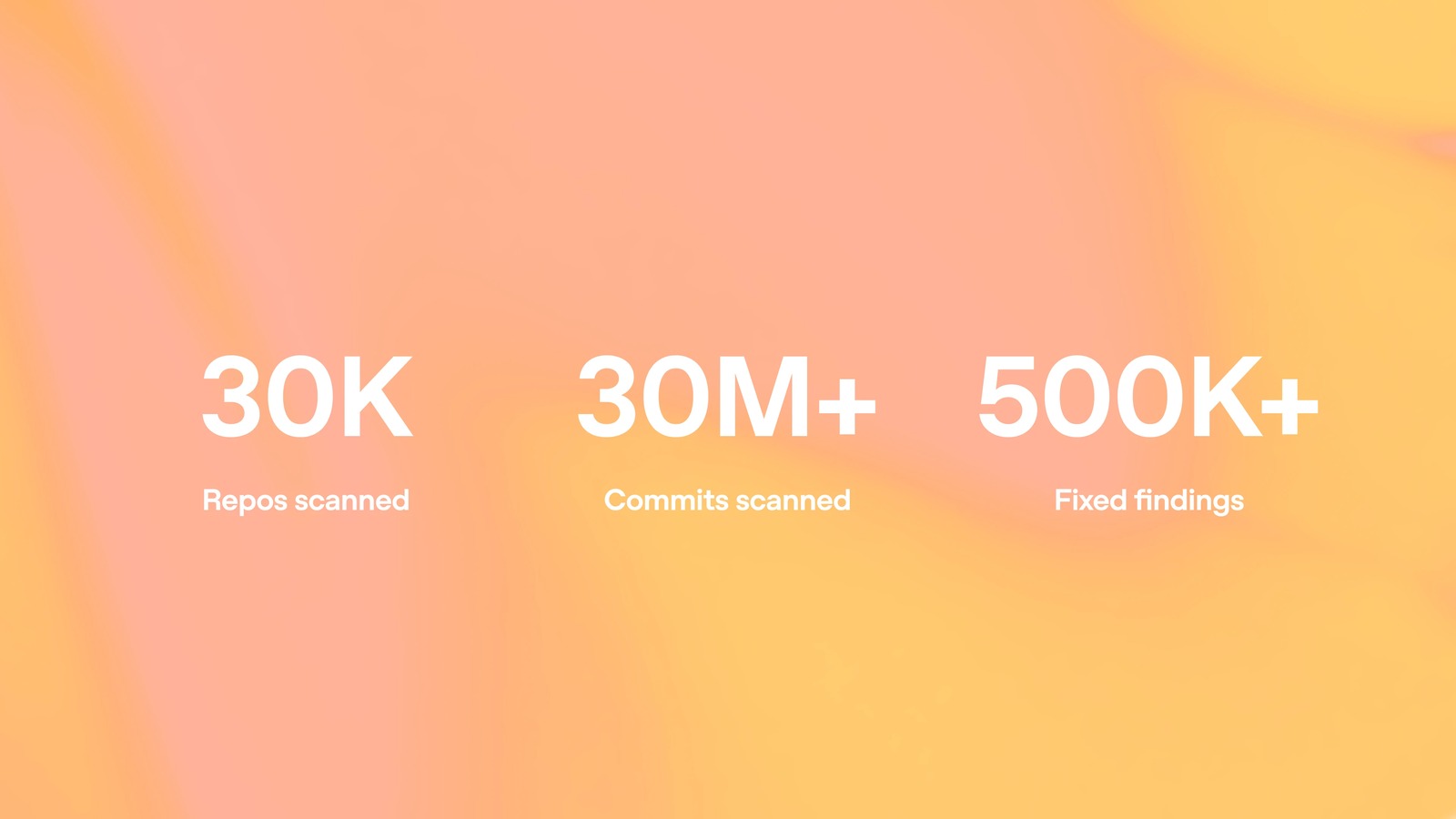
OpenAI also says Codex Security has scanned over 30 million commits across more than 30,000 codebases since its research preview. The company says human reviewers have marked more than 70,000 findings as fixed, while more than 500,000 findings have automatically been determined to be fixed.
Open-source maintainers still stay in control
The biggest question is whether the program reduces work for maintainers or creates a new workflow they have to manage. OpenAI is trying to answer that by putting security engineers between the models and the projects. Maintainers remain in control of which patches land and how disclosure is handled.
If that holds, Patch the Planet could be useful. Open-source maintainers often carry critical infrastructure with limited time, limited funding, and uneven security support. A program that brings validated fixes, tests, and reusable workflows could help.
If the review layer slips, though, the same effort could become another noisy security-report pipeline. That is the line OpenAI has to walk. AI can make it much easier to find potential flaws. The harder and more valuable work is proving which ones matter, landing fixes responsibly, and leaving projects stronger after the first patch.