



























Caltech is moving ahead with a giant radio telescope in Nevada. The project could give astronomers a live view of the radio sky.
The university said the Deep Synoptic Array has cleared its final design review with Schmidt Sciences. That milestone lets the team start building a 1,650-dish array in a remote Nevada valley. Caltech wants to finish construction by 2029, with science operations starting soon after.
Why the Deep Synoptic Array matters
The Deep Synoptic Array is not just another big telescope. Caltech says it will scan the sky 100 times faster than any other radio telescope. The team also says it will create sharper radio images than current instruments.
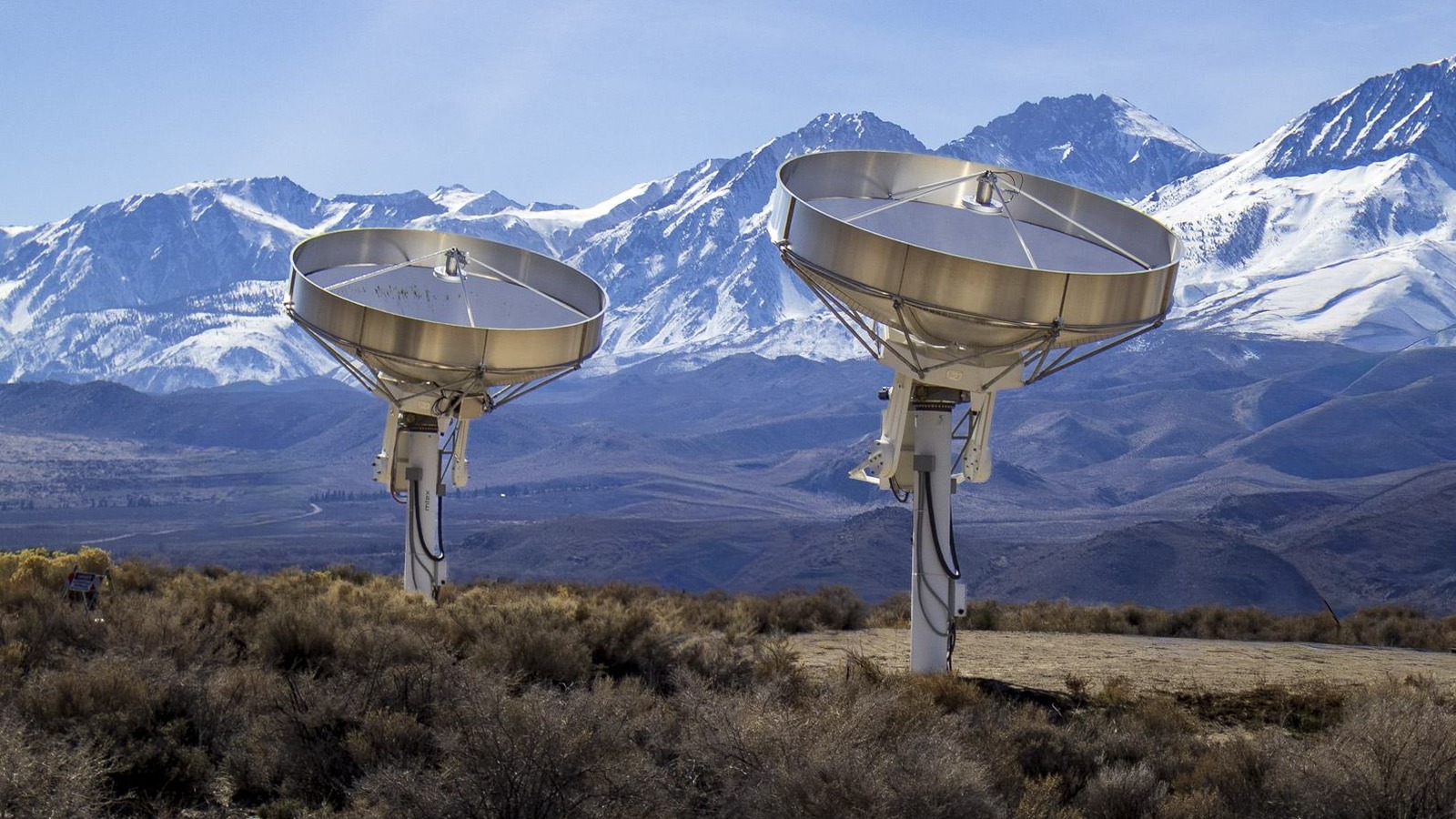
Those claims come from the array design. Instead of one huge dish, the DSA will link thousands of smaller dishes across a wide desert site. Together, those dishes can catch faint radio signals from black holes, pulsars, fast radio bursts, and exploding stars.
The project also changes how researchers handle the data. The DSA will send its radio signals into a supercomputer that creates images in real time. Caltech astronomy professor Gregg Hallinan said the team would otherwise need 100 exabytes of storage. That would mean about 5 million hard drives.
Caltech expects the array to find radio sources at a wild pace. The school says all other radio telescopes have found about 20 million radio sources so far. The DSA could match that total during its first day of work. By the end of its first survey, it could reach about 1 billion sources.
Public data from the start
The access plan may matter almost as much as the hardware. The DSA team says it will share science-ready radio images with no proprietary waiting period. That means researchers, students, and citizen scientists could start digging into new discoveries almost as soon as the telescope sees them.
The telescope will also complement fast optical sky surveys. Those include the Vera C. Rubin Observatory and Caltech’s Zwicky Transient Facility. If the DSA works as planned, it could help scientists catch the radio universe in motion. It is a different kind of frontier from NASA’s X-59 flight tests, but the goal feels similar: build a new instrument, then watch new physics come into view.