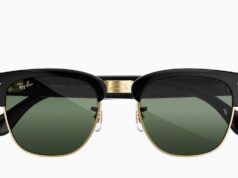
































Meta face recognition code has quietly vanished from the company’s smart glasses app. WIRED first uncovered the dormant code on June 4 inside the Meta AI companion app for Ray-Ban Meta glasses. One day later, Meta shipped an update that stripped it out entirely.
The hidden feature carried the internal name “Name Tag.” According to the report, the code could convert photos of faces into biometric identifiers on the device. In theory, it might have helped wearers recognize people they had previously met.
Meta calls it a pilot, then pulls it
Meta did not deny the work. “This was only a pilot effort,” Meta vice president Andy Stone told WIRED, adding that the company has “not made a final decision on what to do here, if anything.”
Still, the timing tells its own story. The New York Times reported in February that Meta was developing face recognition for its glasses. Then, within a day of WIRED’s discovery, the code disappeared from the app.
Why Meta face recognition is so sensitive
Camera glasses already sit on a privacy fault line, so any Meta face recognition revival starts from a trust deficit. Critics have tied Ray-Ban Meta to harassment incidents. Moreover, a class action lawsuit landed in March after a Swedish newspaper found contract workers in Kenya reviewing intimate user footage without owners’ knowledge.
Meta also has its own history here. The company shut down Facebook’s face recognition system in 2021 and deleted more than a billion faceprints under regulatory pressure. As a result, reviving the technology on a camera you wear would invite exactly the scrutiny Meta spent years escaping.
The stakes reach beyond one company, because face-scanning glasses could normalize identifying strangers in public. Meanwhile, the hardware race keeps accelerating. Tech My Money recently covered Samsung and Google’s Android XR smart glasses push, and every player in that race will face the same recognition question Meta just dodged.