




























Blue Origin CEO Dave Limp says New Glenn can fly again before the end of 2026, even after last week’s pad explosion damaged the company’s Cape Canaveral launch setup.
In a post on X, Limp said teams had accessed the pad and integration facility. The early survey brought some relief. The propellant farm survived. So did the oxygen, liquid hydrogen, and LNG tanks.
Those systems matter because they take time to replace. The water tower also came through the blast. Blue Origin still needs to repair the big support tower, but Limp said crews can fix it in place.
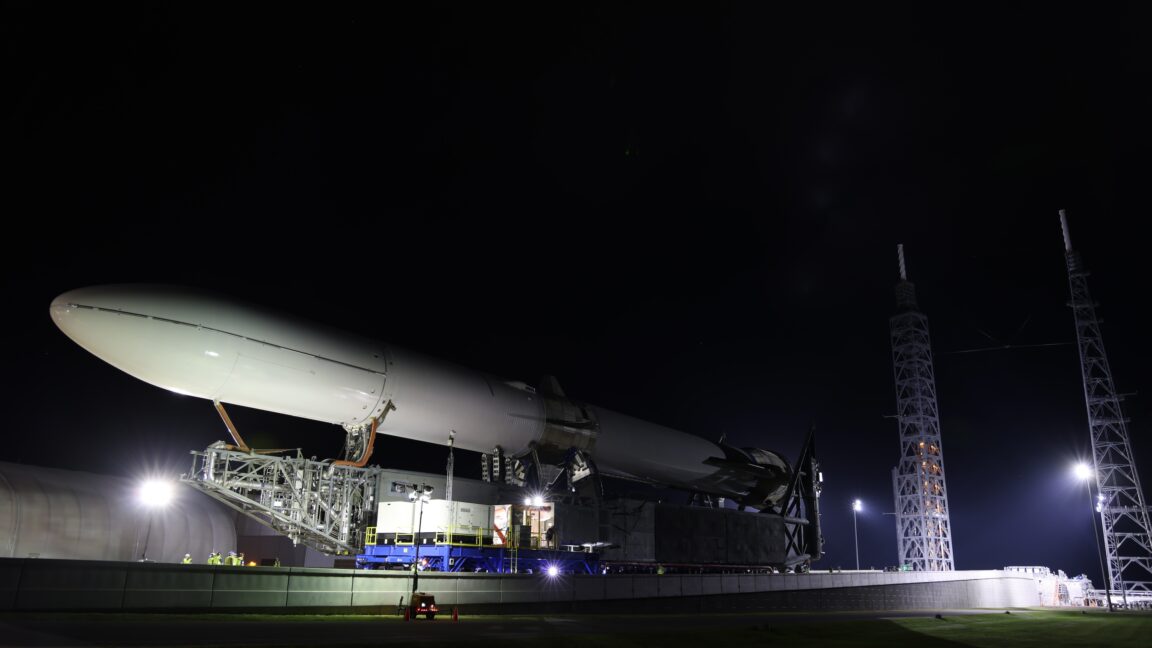
The destroyed transporter-erector is a different story. It moved New Glenn from the integration building to the pad, then raised the rocket for launch. However, Limp said Blue Origin had already worked on a vertical operations alternative. Now the company plans to skip a replacement and move directly to that approach.
The update follows the May 28 test failure that destroyed the rocket on pad 36. Tech My Money covered the New Glenn pad explosion after footage showed the vehicle erupting in a fireball at Blue Origin’s only operational New Glenn launch site.
Blue Origin had lined up the vehicle for a mission tied to Amazon’s Project Leo broadband satellites. Limp said another first stage and three upper stages remain inside the integration facility. That hardware helps the return plan, but the target still looks aggressive.
New Glenn sits at the center of Blue Origin’s bigger launch business. The heavy-lift rocket supports commercial, civil, national security, and lunar ambitions. It also matters to NASA’s Artemis plans because Blue Origin’s Blue Moon work depends on reliable launch capacity.
For readers, the signal is clear. Blue Origin does not want the blast to turn into a multi-year reset. The next test is whether pad repairs, failure analysis, and range approvals can move fast enough to match the year-end promise.