


























NVIDIA is making a bold claim about data center water use. The company says its new closed-loop cooling design can cut that water consumption by up to 100%. As AI data centers strain local water supplies, that is a big promise, so it is worth unpacking what the system actually does.
How the closed-loop system works
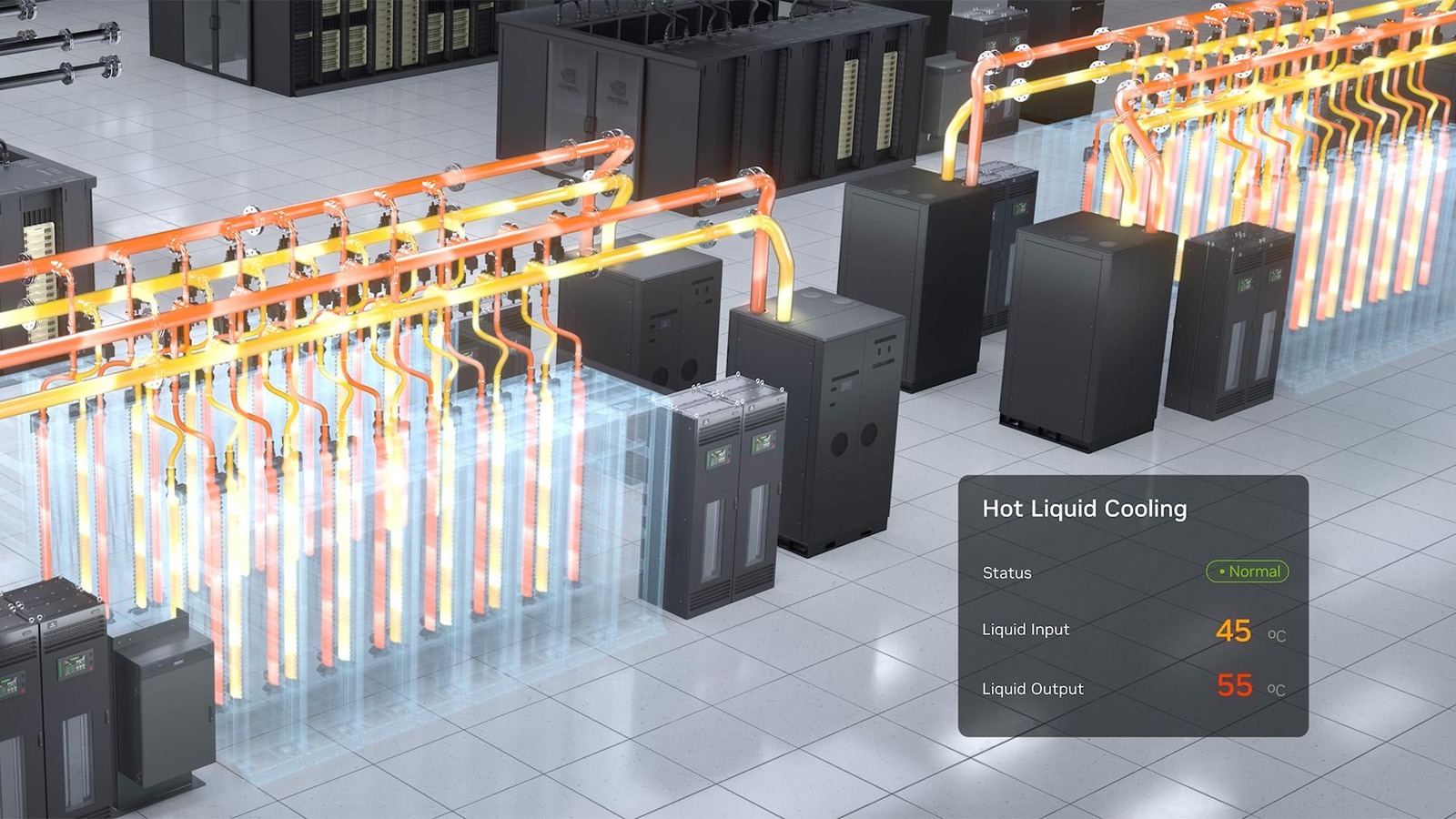
The design moves heat with a sealed loop of coolant rather than evaporating water. That coolant is a mix of about 75% water and 25% propylene glycol, similar to automotive antifreeze. It can run hot, up to roughly 115°F, and NVIDIA’s own diagram shows liquid entering racks at 45°C and leaving at 55°C.
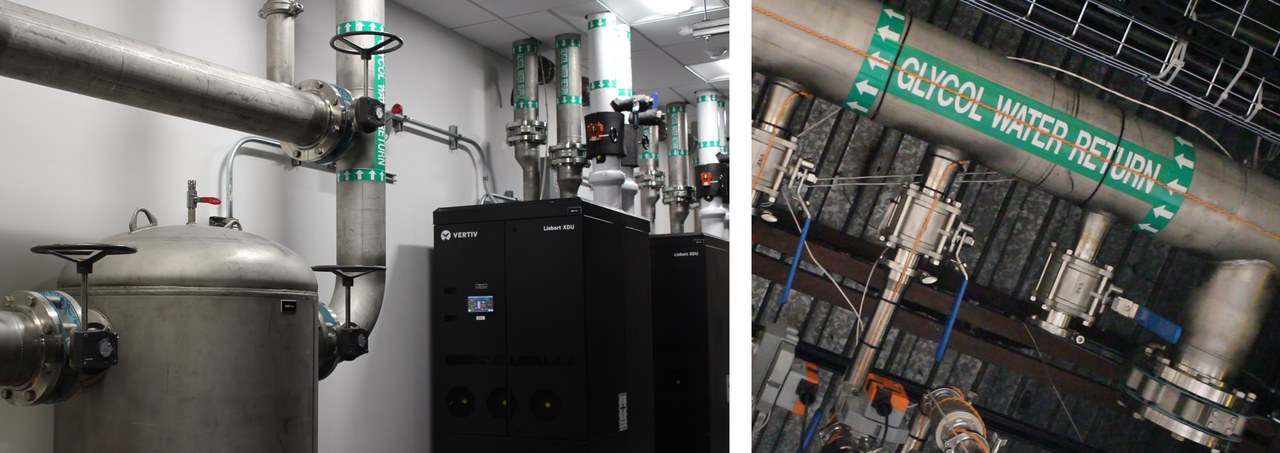
The key is that the loop recirculates. Traditional data centers often rely on evaporative cooling, which constantly consumes fresh water. A closed loop does not evaporate its coolant, so after the initial fill it draws little to no new water for cooling.
Reading the “100%” claim
The headline number deserves a closer look. NVIDIA frames it as “up to” a 100% reduction, not a guarantee, and that wording matters. The figure measures water consumed for cooling, against a water-hungry evaporative baseline.
Geography also changes the math. In hot, dry regions like Arizona or Nevada, ambient temperatures can approach that 115°F ceiling. There, backup chillers may still run for a few days a year, which trims the savings. A site in the Scottish Highlands and one in Phoenix simply face different realities.
Water isn’t the whole footprint
Even a perfect water score leaves the bigger problem untouched. These AI facilities draw enormous amounts of electricity, and much of that power still comes from fossil fuels. Cutting cooling water does nothing about those emissions.
Cost and adoption are open questions too, since pricing sits with data center suppliers. NVIDIA is not the only one chasing the water issue, either. Google has pledged to replenish more water than its data centers use by 2030. Others are rethinking cooling entirely, as China’s wind-powered underwater data center shows.
The takeaway is measured. NVIDIA’s design targets a real and growing problem, and on water alone it could be a genuine improvement. Just read the “up to” carefully, and remember that water is only one part of AI’s environmental bill.