
























Snap Specs are no longer just a developer experiment. Snap is now taking public pre-orders for its next AR glasses at $2,195. Shipments are expected to start in fall 2026.
That price changes the story. However, Specs now feel less like a casual Snapchat accessory and more like an early bet on wearable computing. Snap is asking buyers to believe see-through AR glasses can become useful before the market has fully proven it.
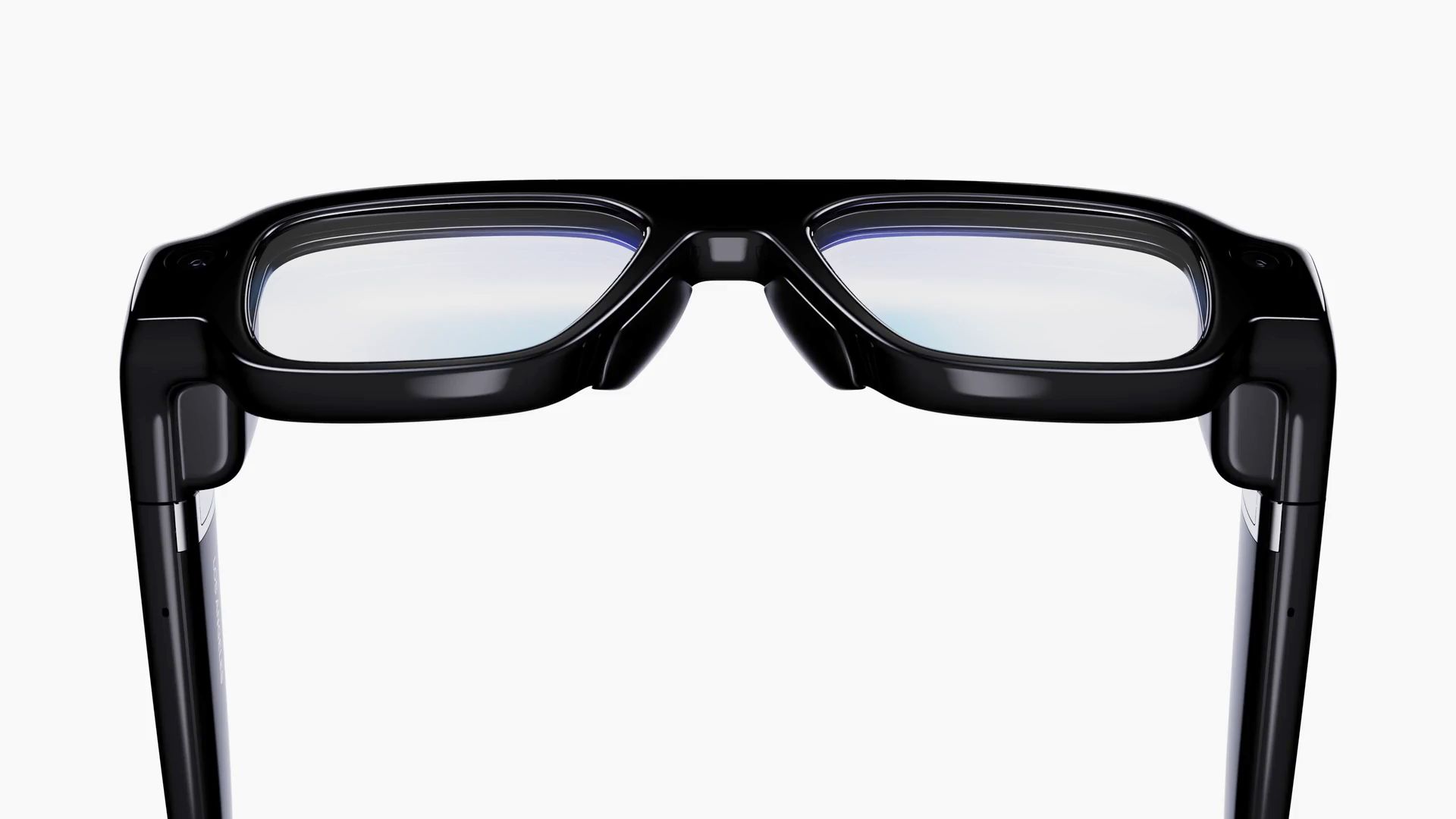
The official Specs product page lists a 51-degree field of view, dual Snapdragon processors, open-ear audio, six microphones, adaptive tint, and a see-through waveguide. The frame weighs 132 grams in the 47mm size, or 136 grams in the 52mm size. Snap also says the glasses can reach up to four hours of mixed use.
Snap Specs now have to feel useful
In addition, Snap’s pitch is not just a nicer pair of Spectacles. The company calls Specs a wearable computer. It says the glasses can place information, games, video, navigation, translations, and AI assistance into the space around you.
In its newsroom post, Snap says developers can build multimodal AI-powered Lenses with OpenAI and Gemini on Google Cloud. It also highlights real-time transcription, 3D object generation, guided navigation, fleet management for venues, and future WebXR support.
That official video matters. It shows Snap selling the platform story. The product page then shows the everyday pitch: live translation, spatial timers, browsing, streaming, calls, shared games, and a private display for a phone, laptop, or gaming device.
Specs will not compete on price
At $2,195, Specs are not priced like mainstream smart glasses. They cost far more than Meta’s Ray-Ban Display glasses. They also arrive while many buyers are still deciding whether they want a display on their face at all.
That puts Snap in a tricky lane. Meta has pushed hard on smart glasses with camera, AI, and display features. Privacy questions have followed the category quickly. Tech My Money recently covered how Meta pulled face-recognition code from its smart glasses app. Snap will need to stay ahead of that kind of trust issue as Specs add cameras, microphones, AI, and third-party apps.
Snap says privacy is built into the product. The glasses include a recording indicator light, on-device processing where possible, and permission controls for camera or microphone access.
Public pre-orders change the pressure
The important shift is access. Previous AR Spectacles were mainly for developers, which gave Snap room to experiment. Public pre-orders create a different standard. Buyers will judge comfort, battery life, app quality, display clarity, privacy, and real usefulness at once.
Specs also join a broader race. Companies are trying to make smart glasses feel less like niche demos and more like daily devices. Budget AR glasses are moving too, including Xreal’s $299 a01 glasses. Samsung and Google have also shown where Android XR smartglasses could go next.
Snap may not need Specs to be a mass-market hit on day one. It needs enough developers, early adopters, and creators to prove AR glasses can be more than a cool demo. The $2,195 question is whether that audience is ready to pay for the future before the future feels normal.