






















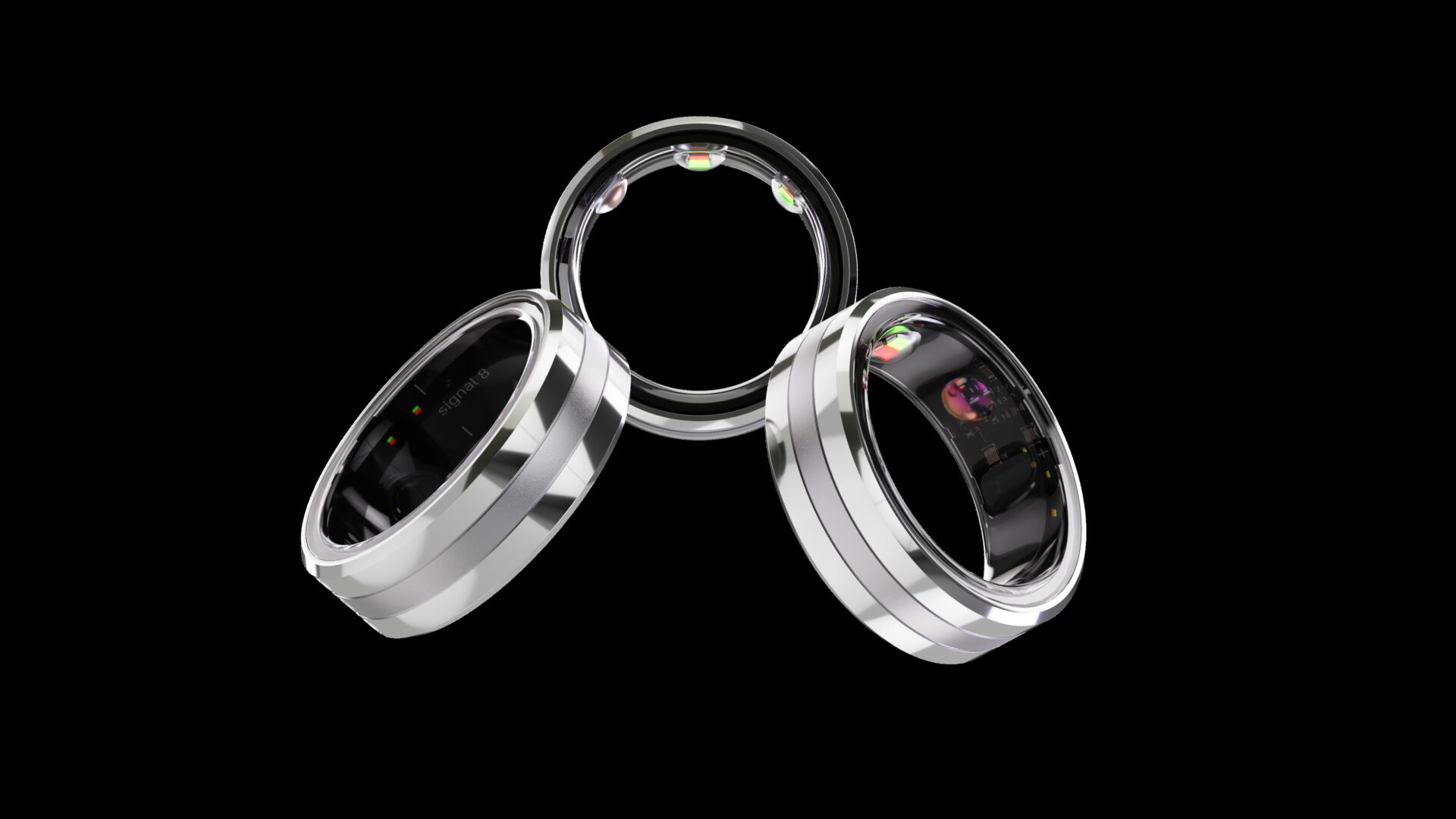
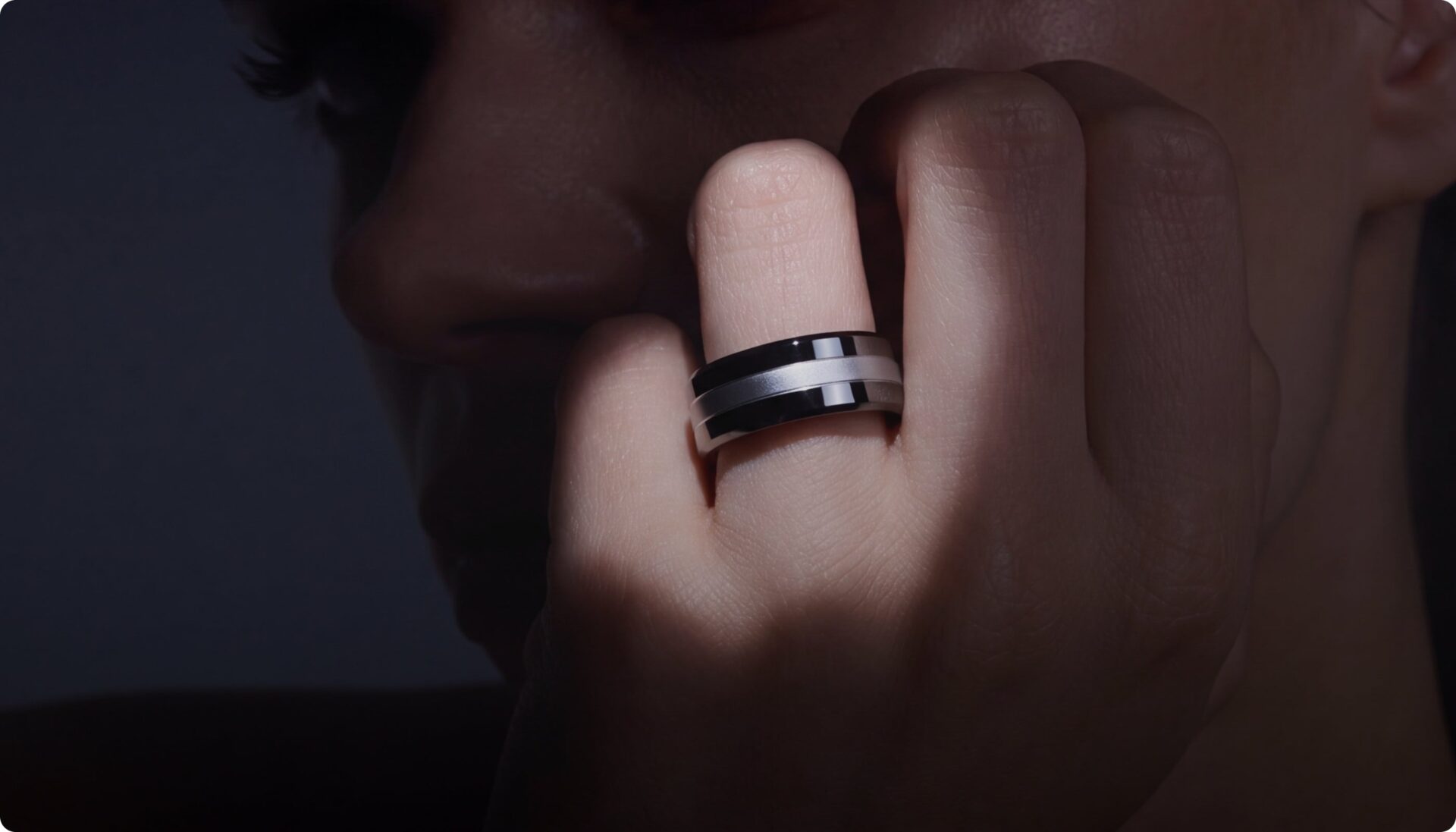
Signal Ring is Vital Signals’ cuffless blood pressure tracker built for continuous, day-long readings on your finger. The company is taking preorders now for $399 with no subscription, and it says shipping begins in October 2026 after a sizing kit arrives first.
As a result, the pitch is health, not wellness vanity metrics. Founder Tom Moss says he built the product after a hospital trip with a systolic reading of 250 mmHg, far above the 120 mmHg healthy upper range. He wanted continuous blood pressure data he could wear all day, not another step counter.
What Vital Signals claims the ring does
On paper, Signal Ring measures blood pressure without a cuff and without calibration. Vital Signals says a high-speed sensor watches pulse-wave shape and timing on every beat. Meanwhile, the company argues that other “cuffless” wearables still need cuff baselines that drift and force re-calibration.
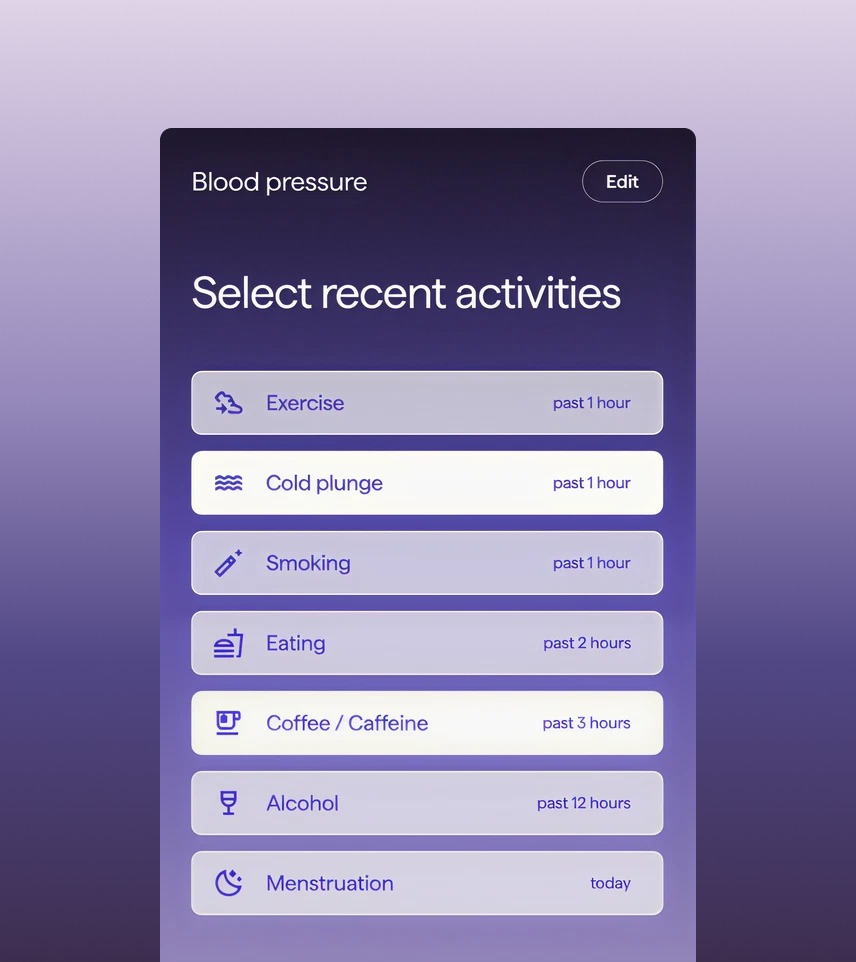
Users can also take manual readings. The app walks them through sitting still and slow breathing, then lets them tag context such as coffee, meals, workouts, or smoking. In addition, the company says the system can show how blood pressure lines up with sleep, pulse rate, HRV, and respiratory rate over time.
Price, sizing, and what is still unproven
Preorders cost $399. Vital Signals says there is no monthly fee, and data is exportable if you want to analyze it elsewhere. When you order, the company ships a sizing kit first. The ring and charging case follow when your size is ready, starting this October. Engadget reports US sizes 5 through 13 and about three days of battery life, plus a case that holds roughly four charges.
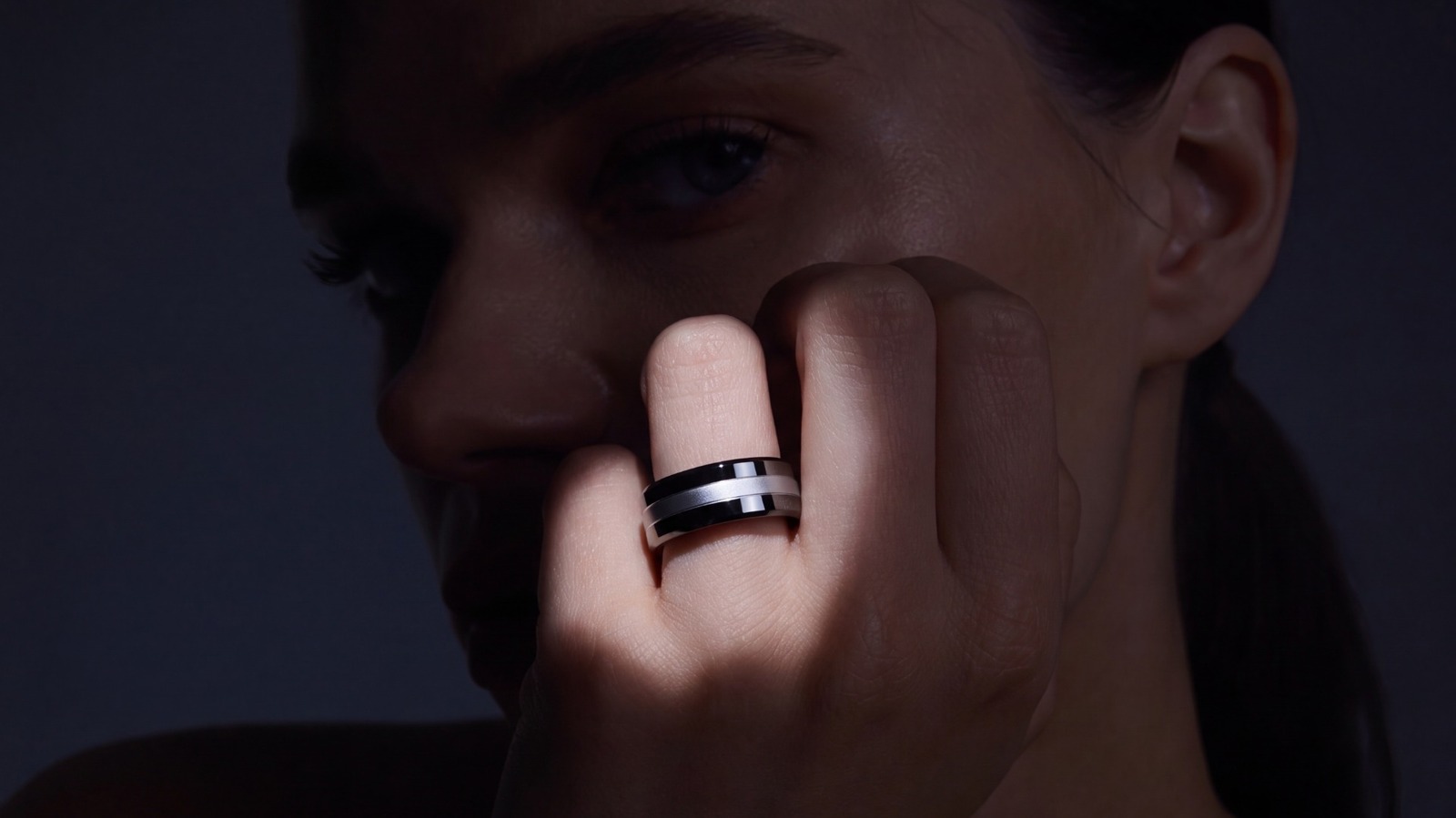
Still, the hard claims need independent proof. Vital Signals markets continuous, calibration-free accuracy as its edge over cuff-calibrated watches. However, TMM has not hands-on tested the device, and clinical performance will matter more than the product page copy. According to Engadget, the company is still pursuing regulatory clearance while the FDA works through broader rules for cuffless blood pressure devices.
Where this sits in the health-wearables race
Smart rings already own wellness and recovery. Signal Ring is trying to drag that form factor into cardiovascular monitoring. For context on nearby health wearables, see ASUS VivoWatch 6 Plus and Honor Watch 6.
Importantly, Moss says he will not bolt a subscription or on-device AI assistant onto the ring. Instead, the company wants clean data you can take to a clinician or tool of your choice. If the October hardware matches the marketing, that approach could matter for people managing hypertension. If it does not, $399 is a steep price for another unproven cuffless promise.