






























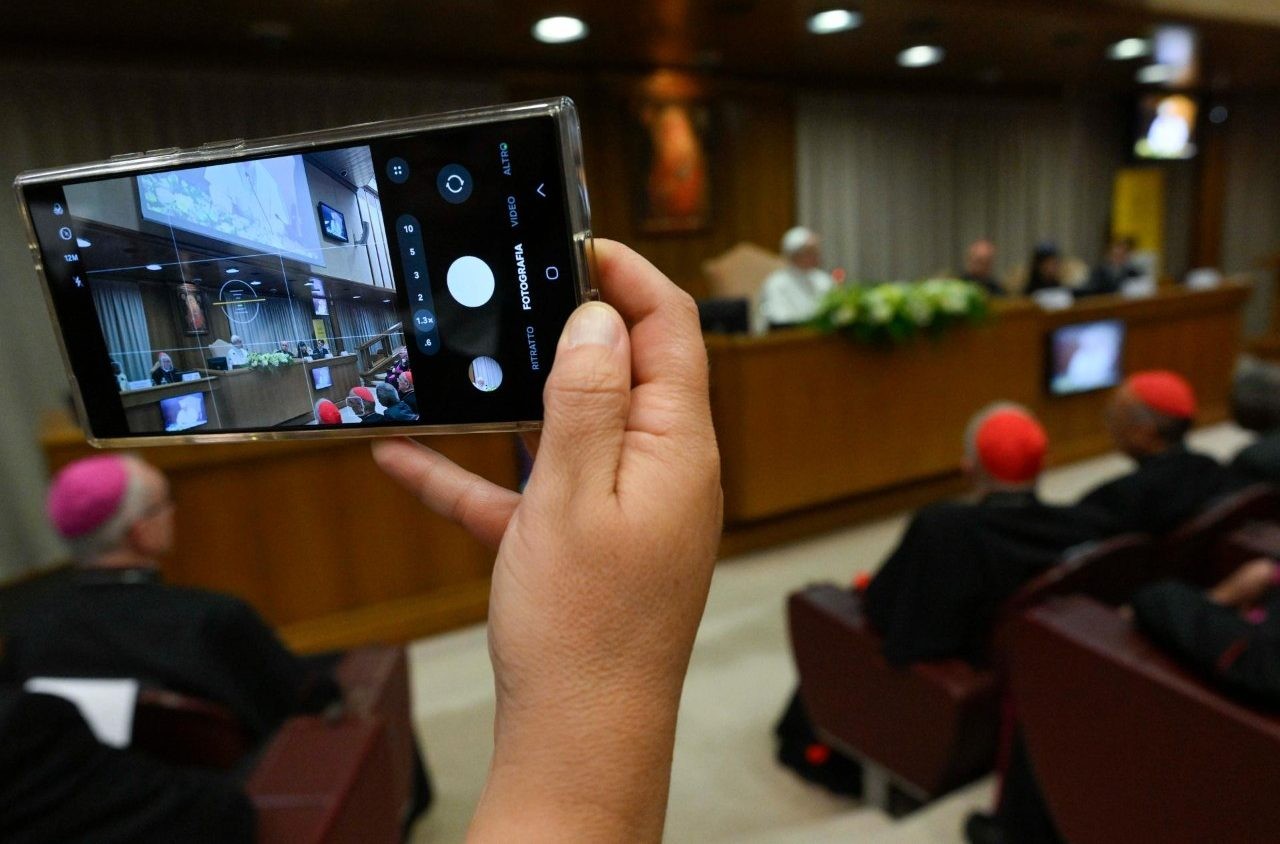
The Pope Leo XIV encyclical, titled Magnifica Humanitas, was released publicly on May 25, 2026. Dated May 15, it is the first papal document to address artificial intelligence as its central subject. The English translation runs approximately 42,300 words.
Leo XIV drew a firm line between machine and human intelligence. AI systems, he wrote, “merely imitate certain functions of human intelligence” in speed and computation. However, they lack experience, a body, emotions, and moral conscience. The Pope stated these systems “may imitate language, behavior and analytical skills” but do not understand what they produce. They lack the “affective, relational and spiritual perspective” through which humans grow in wisdom.
Power Concentration, Workers, and Weapons
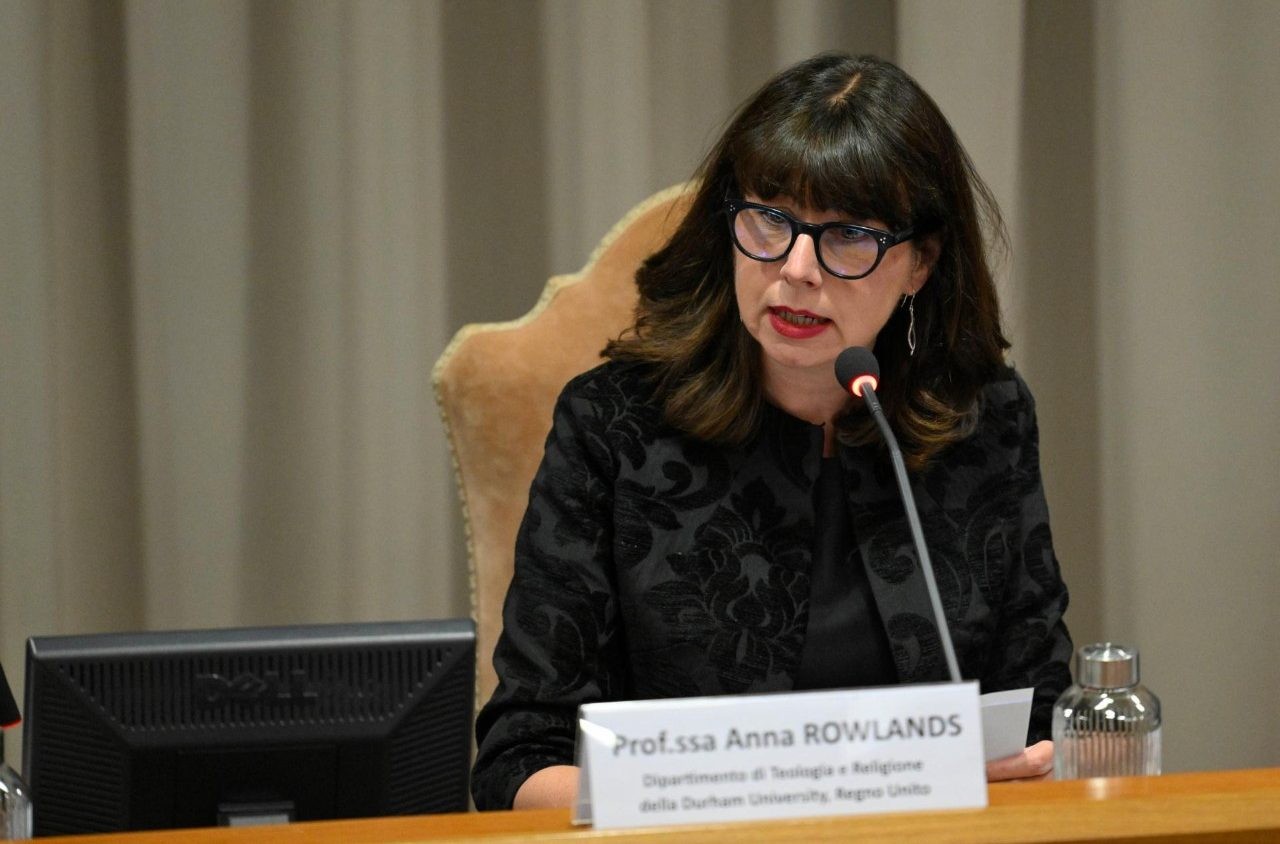
Central to the encyclical is a warning about technological power concentration. The Pope stated that wealth is already held by very few, and AI risks worsening that gap. Governments must therefore establish regulatory tools to curb such distortions and uphold justice. He called on leaders worldwide to take responsibility for AI governance and oversight.
On labor, Leo XIV called for retraining programs and employment protections for workers displaced by AI. Technology profits should not be used to justify systematic job loss. Consequently, workers retain a legitimate claim to stable transitions and dignified employment. The Pope also stated clearly that humans — not AI systems — must make all decisions related to weapons.
Education, Young People, and Anthropic
Leo XIV called for an “educational alliance for the digital age” to build critical AI literacy among young people. Regulations should also protect minors from violent or degrading AI-generated content and from exploitation online. Notably, this Pope Leo XIV encyclical was presented alongside Anthropic co-founder Chris Olah. Anthropic is one of the leading AI safety research companies, making the pairing significant.
Leo XIV does not oppose AI outright. He warned only that unchecked power poses the real risk. Furthermore, if carefully managed, AI could open entirely new horizons for humanity. The encyclical echoes Leo XIII’s Rerum Novarum of 1891. That document shaped the Church’s response to the industrial labor crisis. Magnifica Humanitas aims to do the same for the digital age. The full text is currently available at the Vatican’s official website.