

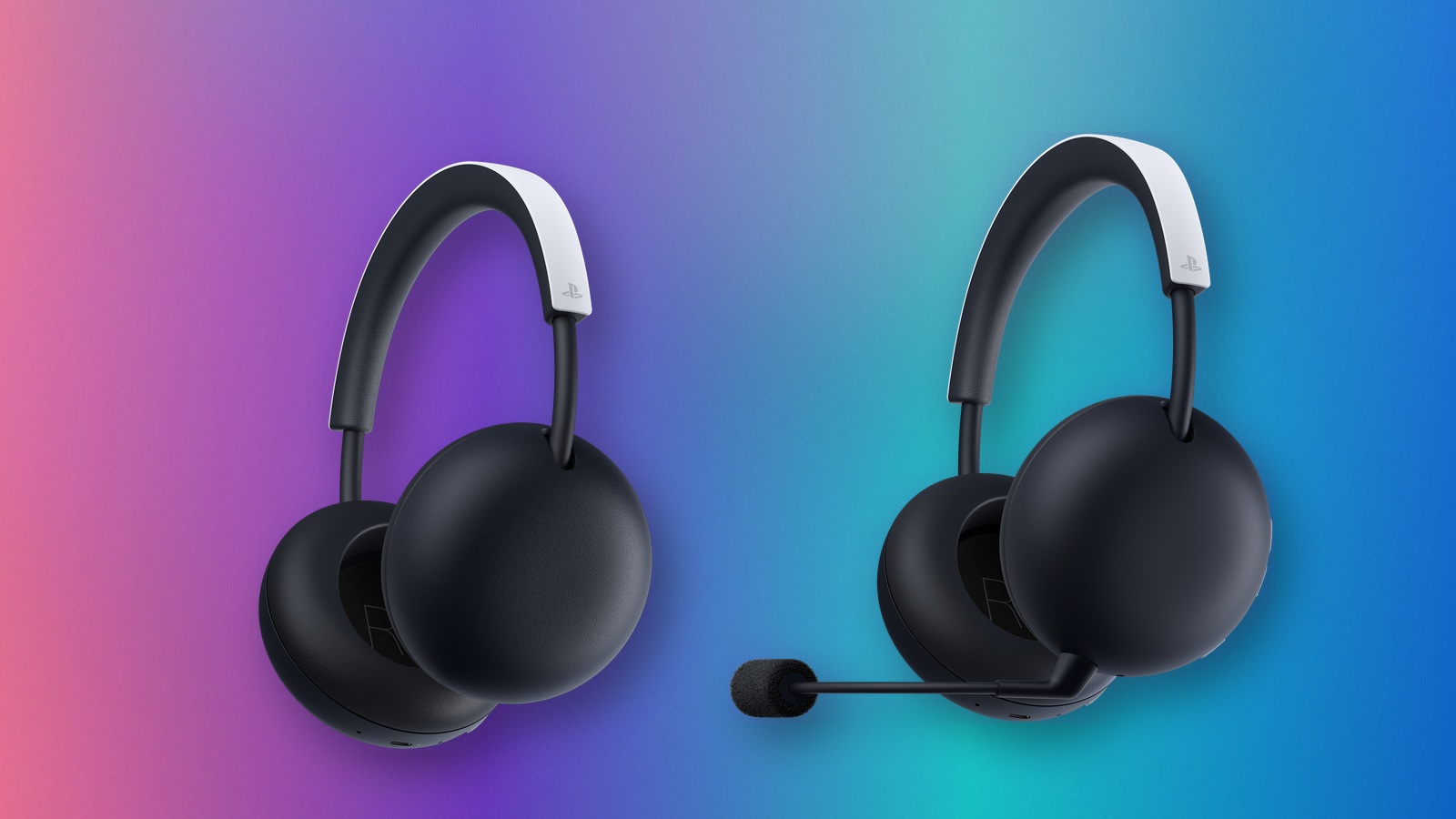
PlayStation Pulse is getting a new headset alongside a more feature-rich Pulse Edge. In its official announcement, Sony places the standard model in the 2026 holiday season and Edge in early 2027. Both bring planar magnetic drivers and PlayStation Link connectivity. However, Edge adds active noise cancellation, a detachable boom mic and more controls.
That creates a straightforward question for PS5 owners: how much would those extras improve your setup? Sony has not announced prices or exact release dates yet. For now, the useful comparison starts with what each headset actually includes.
PlayStation Pulse covers the shared essentials
The standard Pulse product page describes a headset with a built-in microphone and rotating earcups that fold flat. Meanwhile, Sony offers White and Midnight Black finishes, subject to retailer availability. Those choices give the refreshed design a more everyday appearance, with no boom mic sticking out.

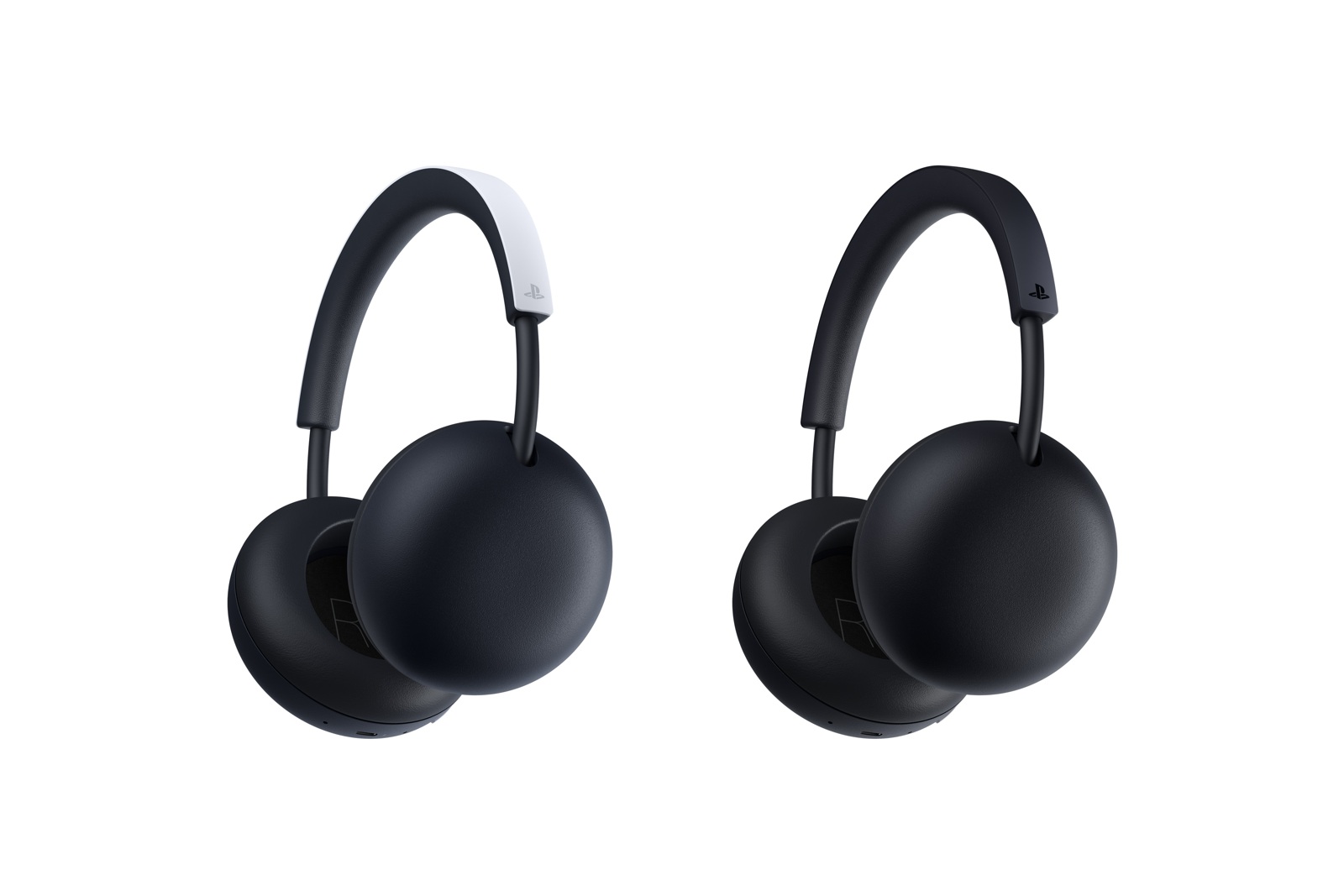
Both models support Sony’s Tempest 3D AudioTech in compatible PS5 games. Sony also says their larger planar drivers produce deeper bass than Pulse Elite. That remains a manufacturer claim rather than a listening verdict from us. In particular, the driver technology alone cannot tell you whether the tuning will suit your ears.
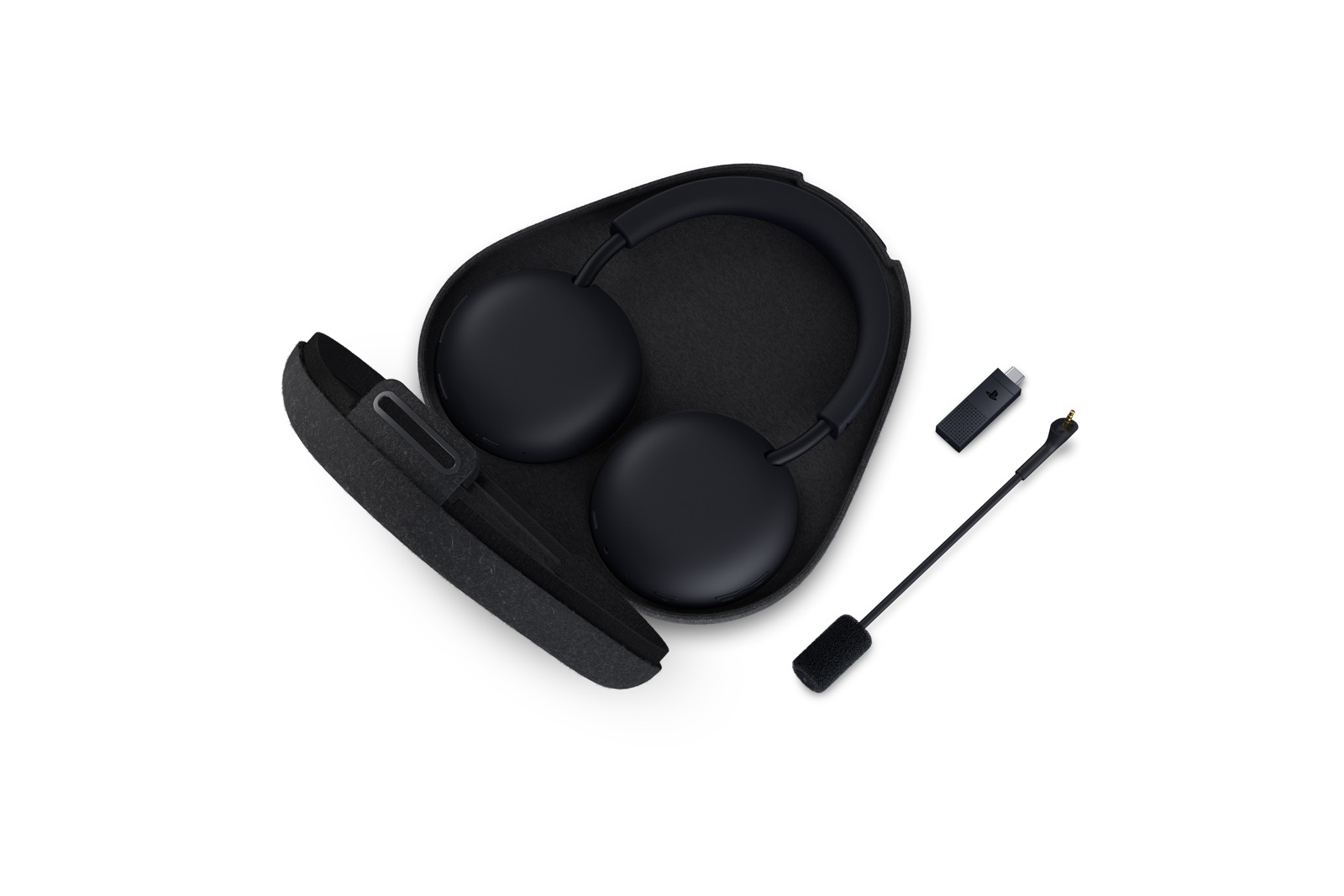
PlayStation Link handles the low-latency wireless connection on supported PS5, PlayStation Portal, PC and Mac setups. Both packages include a Link adapter with a USB-C connector. Additionally, simultaneous Bluetooth lets you hear phone audio alongside game sound. For example, you can take a call or listen to music without abandoning the Link connection.
That flexibility matters if your headset moves between a desk, console and phone. However, buyers should still check their specific device connections before ordering. The shared audio approach also fits Sony’s wider accessory push, including the Pulse Elevate speakers.

Pulse Edge adds ANC and physical chat controls
The Pulse Edge product page makes the upgrade easier to understand. It adds active noise cancellation and a detachable boom microphone with its own mute button. When you remove the boom, a hidden microphone takes over. Edge also includes a carrying case, premium materials and an audio/microphone jack.
Crucially, microphone noise rejection and ANC serve different purposes. Both headsets use AI-enhanced noise rejection to reduce background sound in your outgoing voice chat. By contrast, Edge’s ANC targets ambient noise you hear while wearing it. The standard Pulse does not include that listening feature.
Edge also gets a built-in PS5 game-and-chat balance control. Meanwhile, both models offer volume controls and PS5 interface adjustments. So the practical difference is having a dedicated balance control on the headset, rather than losing balance adjustment altogether on standard Pulse.
Inside the drivers, Edge uses eight magnets per side compared with four in Pulse. Sony links that difference to fuller bass. Still, twice the magnets does not establish twice the sound quality. Fit, tuning and noise cancellation will need testing before the premium model earns a recommendation.
For a shared room, ANC could be the more useful upgrade than the driver specification. Alternatively, an open-back headset such as the HyperX Cloud Alpha Air represents a different approach to gaming audio. Think about your room and how much outside sound you want to hear before comparing feature lists.

Two launch windows, with prices still missing
PlayStation Pulse will start arriving in select markets during the 2026 holiday season. Pulse Edge follows in early 2027. However, Sony says preorder details, exact launch dates and pricing will come later. It has also not specified battery life for these two models in the announcement or their main product descriptions.
As a result, there is enough here to shortlist a model, but not enough to judge value. Standard Pulse offers the shared wireless foundation. Edge adds conveniences that may matter in a noisy room or during frequent voice chat. The final price gap, comfort and battery results will decide whether those extras justify the step up.


