





















Fairground AI Creator TV is a free live channel that runs AI-made films around the clock, and it now sits inside The Roku Channel’s live TV guide. Fairground Entertainment describes the channel as the first FAST channel devoted entirely to AI-generated content. The company announced it on July 30 and rolled it out across streaming platforms in August.
How the free AI TV channel works
FAST stands for free ad-supported streaming television. In other words, you watch without a subscription, and advertising pays for the programming. The Roku Channel already carries hundreds of live channels in that format, so Fairground simply slots into a familiar guide. Roku’s own listing files it as a TV-14 live feed and promises sci-fi, drama, animation, true crime, documentaries, and comedy around the clock.
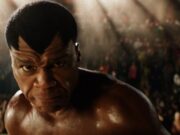
One point matters here: Roku is not making these films. Fairground Entertainment runs the channel and calls the material “AI Cinema.” According to its launch announcement, the programming comes from more than 100 AI filmmakers and over 40 studios. Named creators include Kelly Boesch, Phantom X Studio, and BAFTA-nominated director Ryan Phillips, alongside Wonder Studios and Massive Studios. Fairground also distributes films through Xumo Play and Canela.TV.
Founder and CEO Colin Petrie-Norris also founded Xumo, one of the original FAST platforms. “We are bringing AI Cinema to entirely new audiences, people who have never encountered this art form before, and we’re doing it at scale across the connected TV ecosystem,” he said in the announcement.
Humans still write the stories
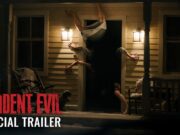
“AI-generated” can sound like someone typed a sentence and walked away. However, Fairground’s own catalog shows a messier reality. Take Lost Garden: The Awakening of the Lantern Knight, a dark fantasy anime episode on the platform. Its listing says creator Frank Houbre wrote the world, characters, mythology, and screenplay himself. AI handled the animation pipeline, using Dreamina OCTO and Seedance 2, while ElevenLabs refined voices and Suno generated music. He then cut the episode in DaVinci Resolve and Filmora.
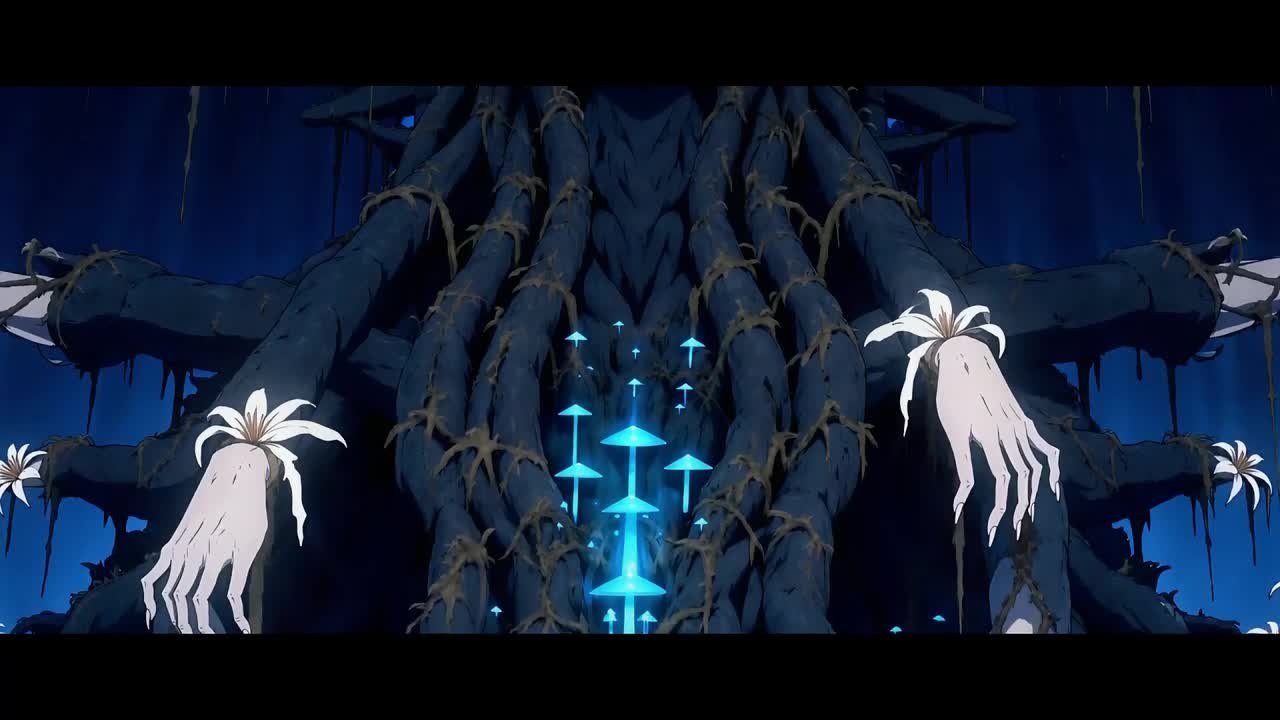
That single example does not tell us how every title is made. Still, it shows why “AI slop” is too blunt a label for some of this work. Fairground’s model also depends on people submitting projects through its creator portal, where the company selects work for distribution.
The competition that filled the schedule
Fairground has been working to increase its supply of films. A launch competition asked AI filmmakers to submit work in three categories: True Crime Stories, The Best of AI Season 3, and World Building and Innovation. Each category paid $5,000 for first place, $2,500 for second, and $1,000 for third. Winners also receive 50 percent of the revenue their films generate, plus prime placement on the channel. Submissions closed on August 7, and Fairground named winners on August 17.
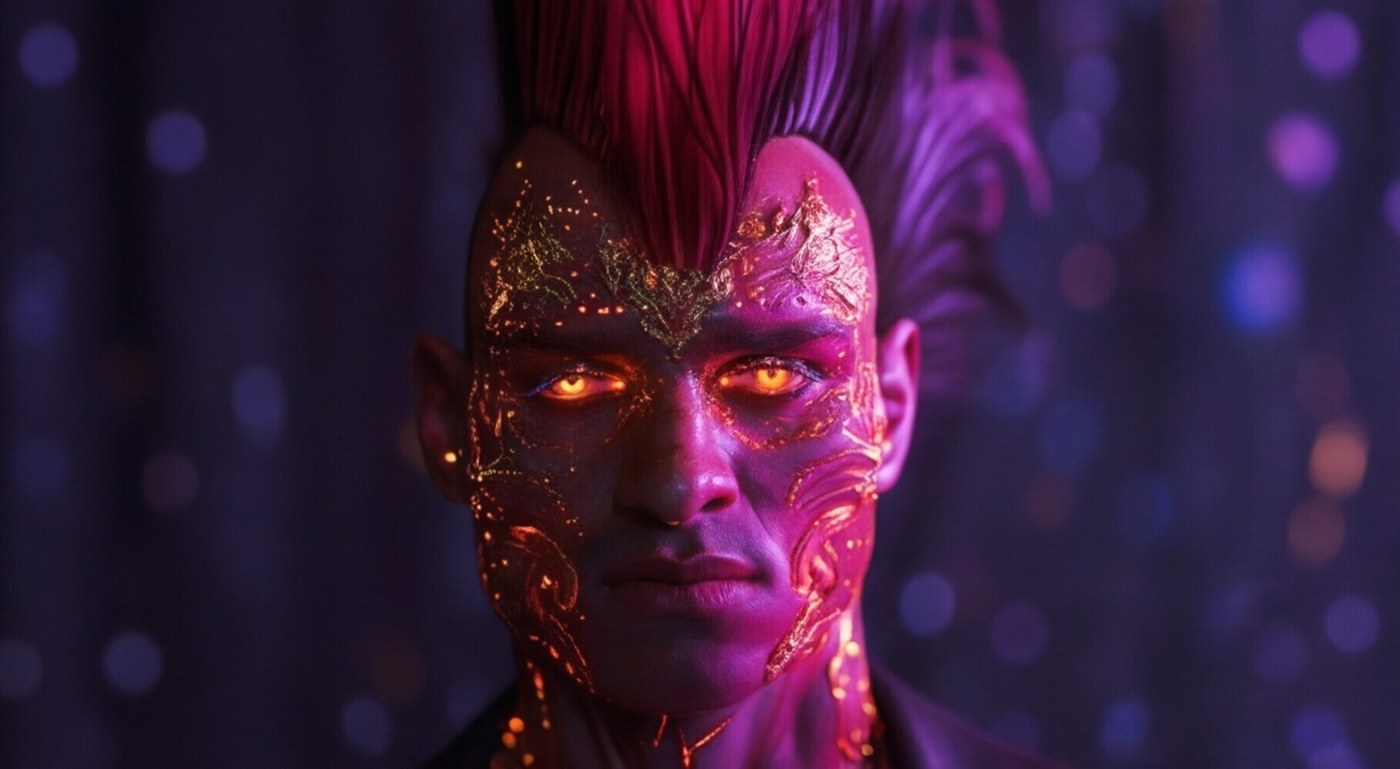
Even entries that did not place remain eligible for distribution under the same 50 percent revenue share. As a result, the pitch to creators is unusually direct. Instead of another clip in a phone feed, a selected film can run on a channel that already lives in TV guides.
What Fairground still has to prove
Fairground has not published viewing numbers, so nobody outside the company knows whether audiences stay. The channel arrives as platforms elsewhere move the other way. Apple Music, for example, plans to label AI-made tracks, and Spotify now flags non-human artist profiles. Roku, meanwhile, keeps adding free channels while it waits on the Fox acquisition to close. Fairground has made it into the TV guide. Now it needs to give viewers a reason to stop scrolling past it.