

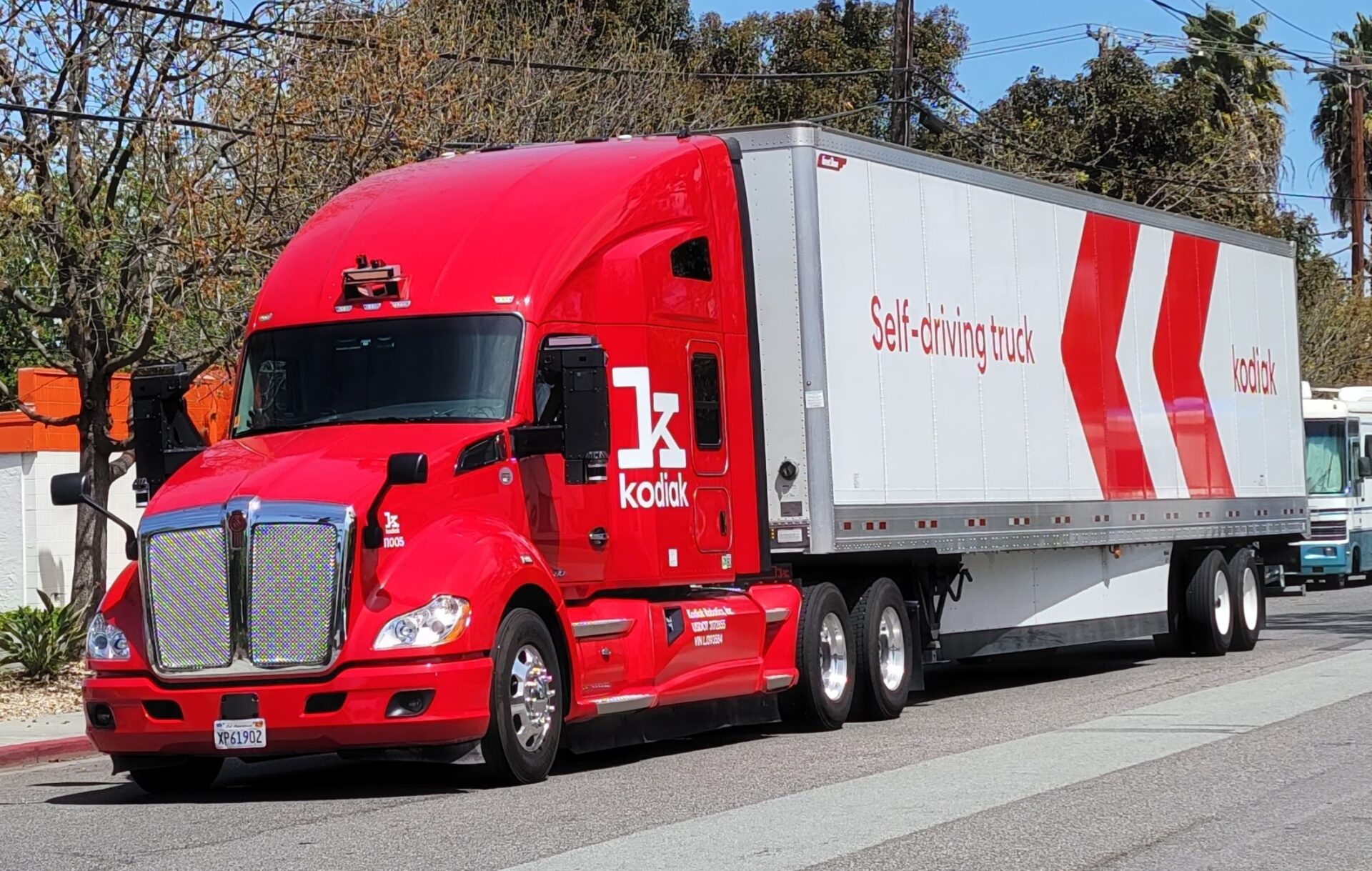
California Teamsters driverless truck lawsuit puts a new state rulemaking under scrutiny. The challenge arrives months after California opened a permit path for heavy-duty autonomous trucks. Teamsters California argues that the state did not properly weigh safety and economic effects.
California’s policy shift is clear. In an April 28 announcement, the California DMV said manufacturers may apply to test and deploy heavy-duty autonomous technology. Meanwhile, the agency says its rules add reporting, safety and enforcement requirements.
What California’s new rules allow
California’s earlier framework excluded autonomous vehicles rated at 10,001 pounds or more. Updated regulations remove that bar. As a result, freight companies can seek permits for heavy-duty autonomous vehicles.
That does not mean driverless semis can operate everywhere immediately. Manufacturers must progress through testing stages before commercial deployment. For heavy-duty vehicles, the DMV lists 500,000 testing miles at each phase. Companies must also submit a structured safety case.
A safety case must address hardware, software and operations. Additionally, the DMV can restrict fleet size, location, speed and weather conditions. Heavy-duty AVs must still follow commercial-vehicle rules. That includes California Highway Patrol weigh-station requirements.
DMV’s milestone record says the Office of Administrative Law approved the regulations on April 28. The rules therefore create a pathway, not blanket permission for every truck.
Why the Teamsters are challenging the move
The court challenge turns the issue into more than a permit question. Teamsters California opposes a framework that could allow driverless freight vehicles. In contrast, the DMV says the same framework strengthens oversight of new technology.
Safety is central to both positions. State rules require reports on system failures, immobilizations, hard-braking events, collisions and miles traveled. They also set standards for remote-operations personnel. Law enforcement can report AV moving violations under the new process.
However, labor’s concern is wider than a single highway failure. Freight driving supports a large workforce. A driverless pathway raises questions about jobs, worker transition and responsibility during an emergency. Those questions are much larger than the rider experience in Waymo’s early Ojai robotaxi rollout.
What happens next
Legal action does not automatically cancel California’s regulations. Still, it puts the state’s analysis and rulemaking process under legal scrutiny. That scrutiny comes as companies gain a route to apply for heavy-duty permits.
For Californians, this remains a regulatory process. It is not a sign that driverless semis are suddenly operating across the state. The next signals are court action, DMV permit decisions and required safety data. Those details matter in the wider autonomous-vehicle safety debate.


