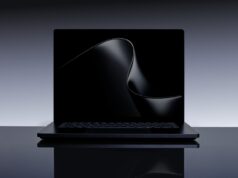




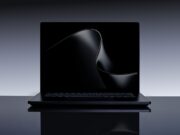
















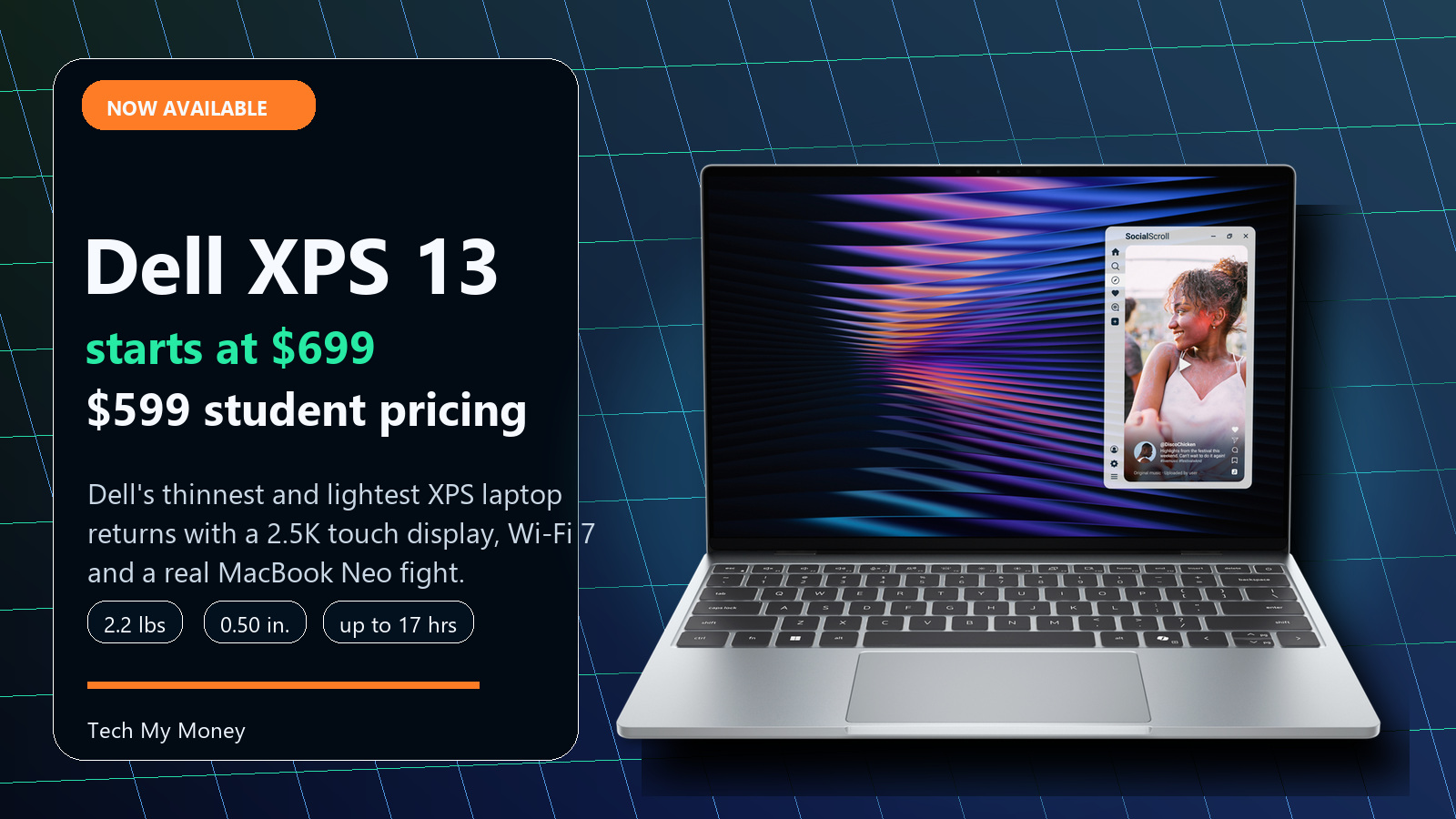
The new Dell XPS 13 is no longer just a Computex promise. Dell’s most accessible XPS laptop is now on sale in the U.S. It starts at $699.99 for everyone, with $599 pricing for eligible students.
The student price is the hook, but the hardware matters too. The entry model uses an Intel Core 5 320 processor, Intel graphics, 8GB of LPDDR5X memory, and 512GB of SSD storage. It also includes a 13.4-inch 2.5K touch display with a 30Hz to 120Hz variable refresh rate.
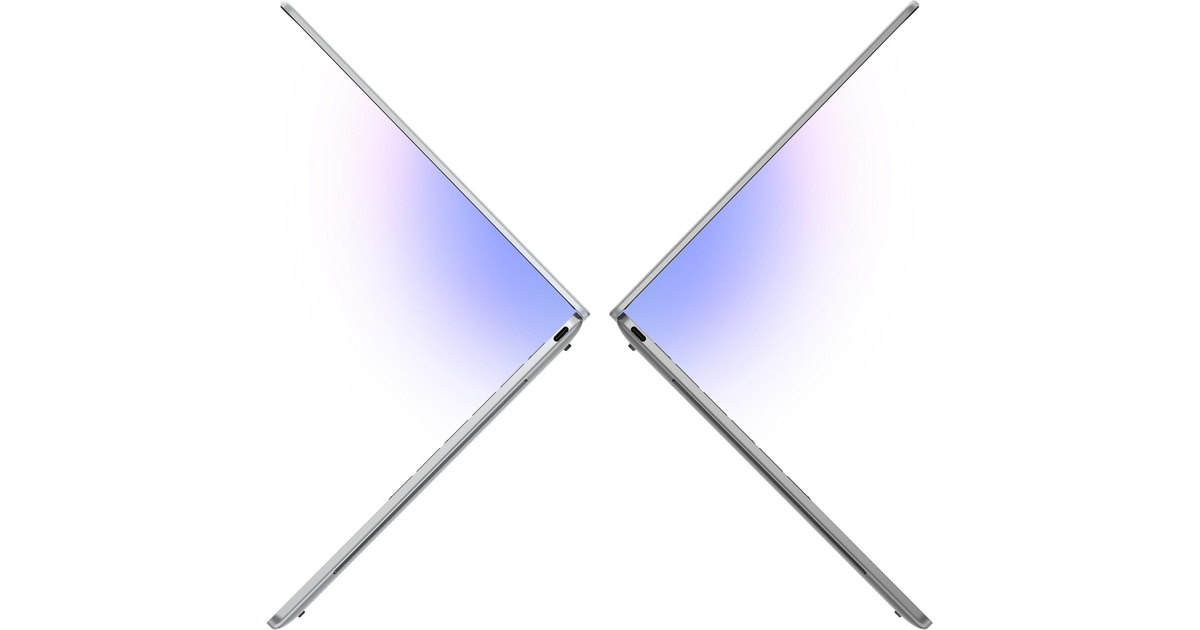
Dell says this is the thinnest and lightest XPS laptop it has made. It measures 0.50 inches thick and starts at 2.2 pounds. Dell also lists up to 17 hours of streaming battery life. That number comes from Dell lab testing, so real battery life will depend on configuration and use.
The real fight is value
When Dell first brought this XPS 13 back, the obvious comparison was Apple’s MacBook Neo. We covered that pitch earlier when Dell framed the XPS 13 as a $599 answer to the MacBook Neo. Now the laptop is actually available, the question is simpler: can Dell pull students and everyday buyers toward Windows?
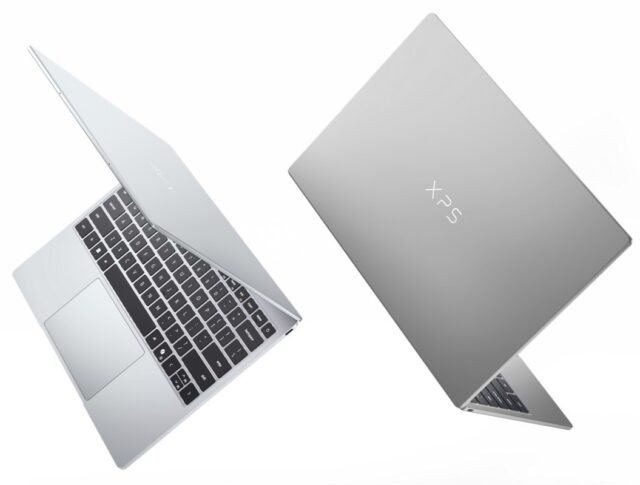
Dell is leaning on the features it says are standard across the line. The list includes a touch display, backlit keyboard, Wi-Fi 7, Windows Hello, quad speakers, and USB-C 3.2 Gen 2. That gives the XPS 13 a practical checklist advantage over many budget machines.
Read the student price carefully
The $599 price is not the standard retail price. Dell says it is an exclusive student offer for eligible high school students age 16 and older and college students at degree-granting schools.
Buyers also need to join or already belong to Dell Rewards and verify student status. Dell says the offer runs until November 2, 2026, at 7 a.m. CST. The usual exclusions, taxes, fees, and availability caveats still apply.
For non-students, the starting price is $699.99. Dell also lists a $899.99 configuration with 16GB of memory and the same 512GB SSD. Core Ultra Series 3 configurations, higher memory options, and the Storm colorway are expected later this summer.
This is not the same kind of headline-grabbing XPS that used to chase the ultra-premium crowd first. It is Dell trying to make the XPS name matter at a more approachable price. If the build quality holds up, that may be exactly what the Windows laptop market needed.