




























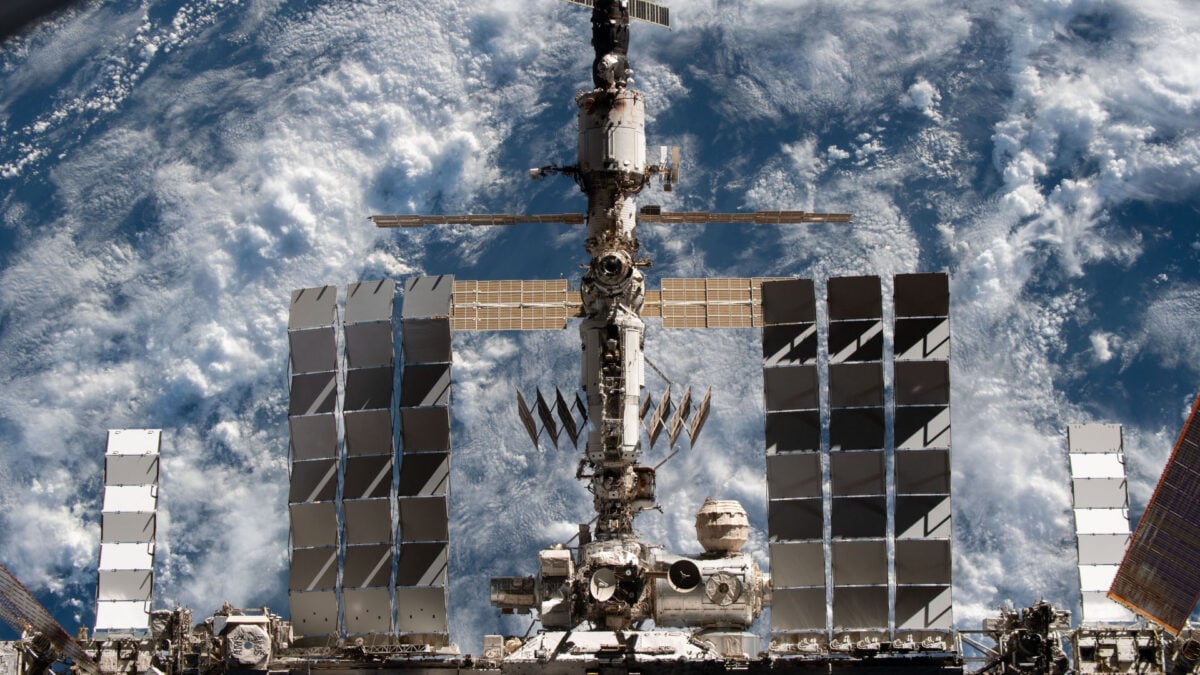
The ISS Russian segment air leak is back in focus. A new pressure drop has been detected around the station’s Zvezda service module.
The latest pressure change was noticed while Russian cosmonauts were unloading Progress 95 cargo on May 1. NASA later said data pointed to air leaving the Russian module at about one pound per day.
Why the leak still matters
This is not a brand-new problem. Roscosmos first reported a leak on the International Space Station in 2019. The issue was traced to the PrK vestibule, a transfer tunnel connected to Zvezda.
Since then, NASA and Roscosmos have patched, tested, and debated what is causing the small cracks. The leak rate has also changed over time. A 2024 safety report pushed the problem into NASA’s highest risk category after the rate grew.
Last year, the station partners thought they may have found a fix. Sensors showed a different pressure signal after more repair work, which suggested the leak path may have changed or been sealed.
A small leak with big stakes
One pound of air per day does not mean astronauts are in immediate danger. The station has procedures for isolating sections, watching pressure trends, and keeping crews safe.
The concern is that a known leak on an aging spacecraft keeps returning. The ISS has been continuously occupied for more than 25 years. NASA also wants to keep it operating until the end of the decade.
That makes recurring hardware issues harder to dismiss, even when they are manageable today. The new pressure drop is another reminder that the station is both an engineering marvel and an old machine in orbit.
For readers following spaceflight, the leak sits beside private-space milestones like SpaceX’s planned Starship Mars flyby. Both stories show how much space infrastructure is changing at once.