

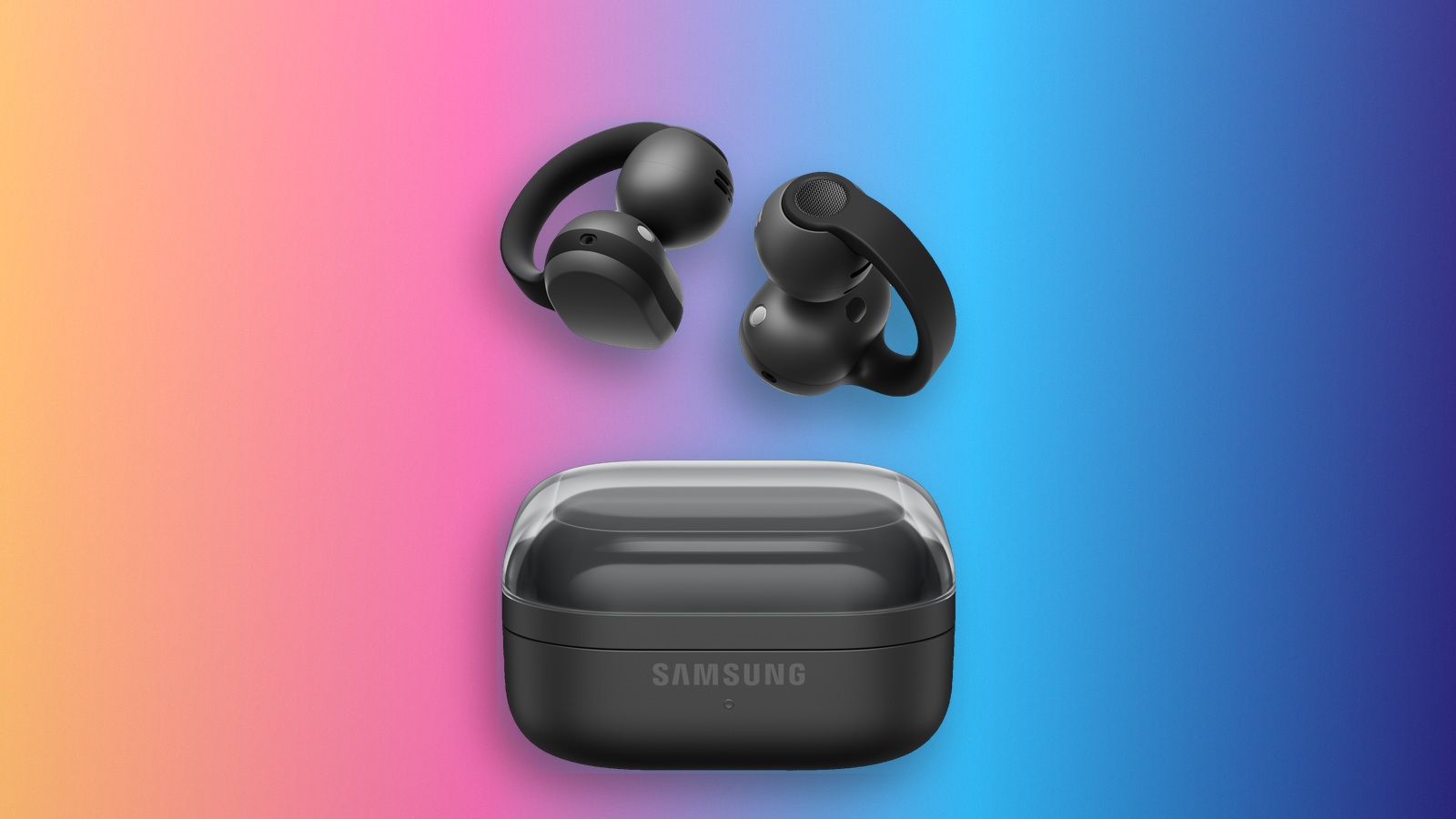
Galaxy Buds On is Samsung’s first clip-on Galaxy Buds model. Samsung Newsroom Korea said on October 1 that the open-ear pair goes on sale in South Korea on October 27. The buds clip around the ear instead of sealing the canal, so you can hear traffic and talk while music plays.
Samsung now splits the lineup by job. Kernel Galaxy Buds stay the pick when you want a seal and deeper isolation. Galaxy Buds On is the outdoor option when you still need street noise, a station call, or a running partner. The company built that split into the Korea launch note.
Kim Jung-hyun, vice president and head of the CX Office in Samsung’s MX Business, framed the clip as a daily-use shape, not a niche sport add-on.
Galaxy Buds On is a form factor designed for consumers’ varied everyday use, and it will give users a comfortable everyday listening experience while staying naturally connected to their surroundings.
Clip-on fit and TwinBoost sound
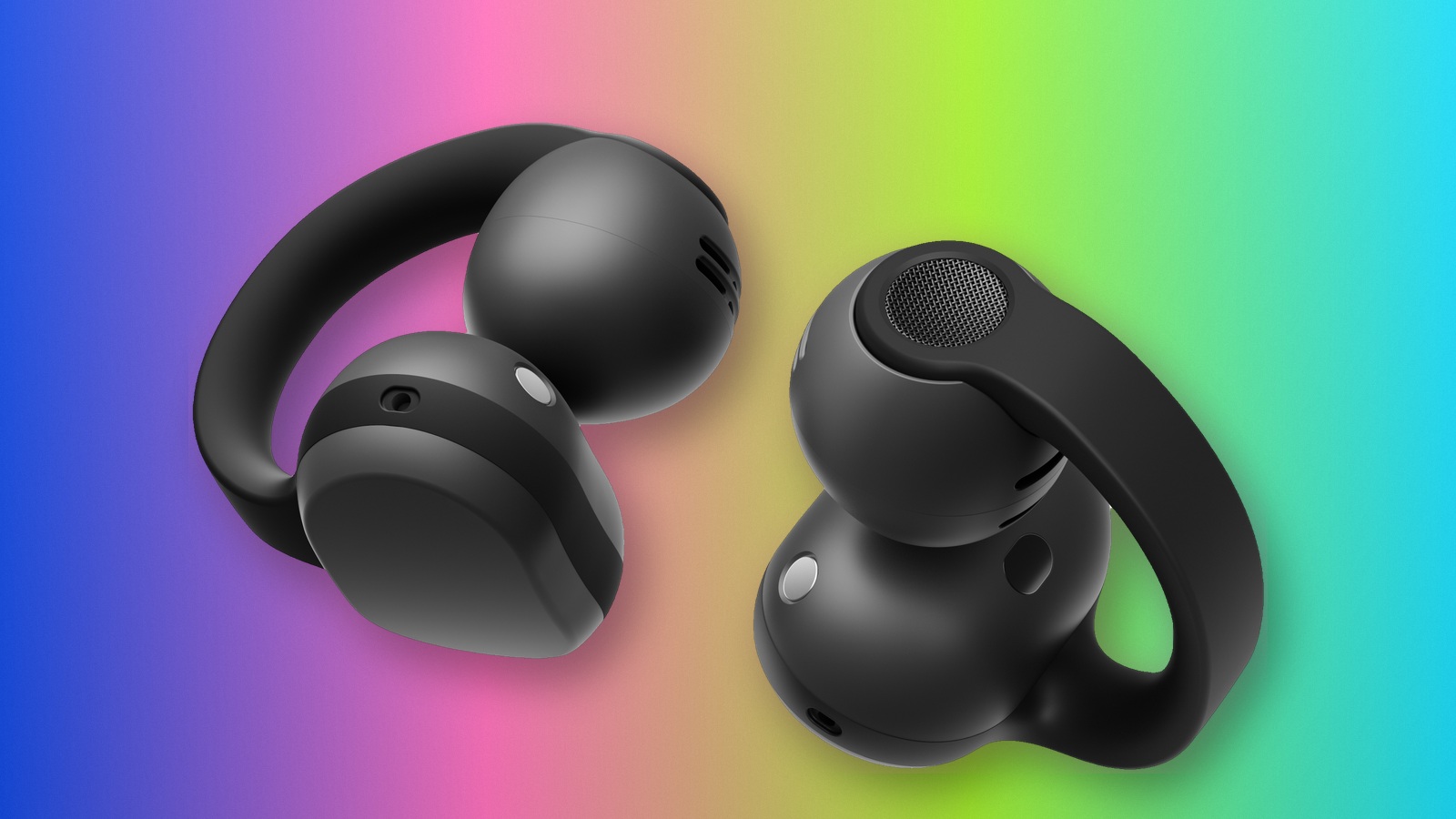
Samsung says it modeled many ear shapes, then moved the speaker and battery so the clip sits with less hot spots. The band spreads pressure across a wider contact area. Also, Samsung tuned the band’s spring so the clip stays put during a run or a walk.
Open-ear bass is usually thin. Instead, Samsung added TwinBoost speakers to lift low frequencies. Automatic volume then rises or falls with the room. In addition, Audio Leakage Reduction is meant to keep music from spilling into a cafe or library. Because the canal stays open, you still will not get the seal of in-ear Galaxy Buds.
That trade is the same one Bose and Shokz already sell. The Bose Open Earbuds Sport pair also clips on and leaves the canal free. Meanwhile, the Shokz OpenDots 2 chase bass on an open ear with a different clip. Galaxy Buds On is Samsung’s first shot at that class.

Calls, Galaxy AI, and battery
Touch controls sit on the back of each bud for playback and calls. Intelligent Clear Call uses three microphones, a bone-conduction Voice Pickup Unit sensor, and machine learning to pull the talker’s voice out of wind or indoor noise. Therefore, outdoor calls are a claim to test, not a lab number Samsung posted. The Korea note cites strong wind and vacuum noise as the two examples.
On a Galaxy AI phone or tablet, the buds add hands-free tools. Say “Hey Google, let’s talk live” to start Gemini Live. A long press on the rear pad starts Quick Voice Memo, and Bixby can search that recording later. However, Quick Voice Memo needs a Galaxy AI device, the Samsung Voice Recorder app, the Bixby app, and a separate long-press setting in the Settings app.
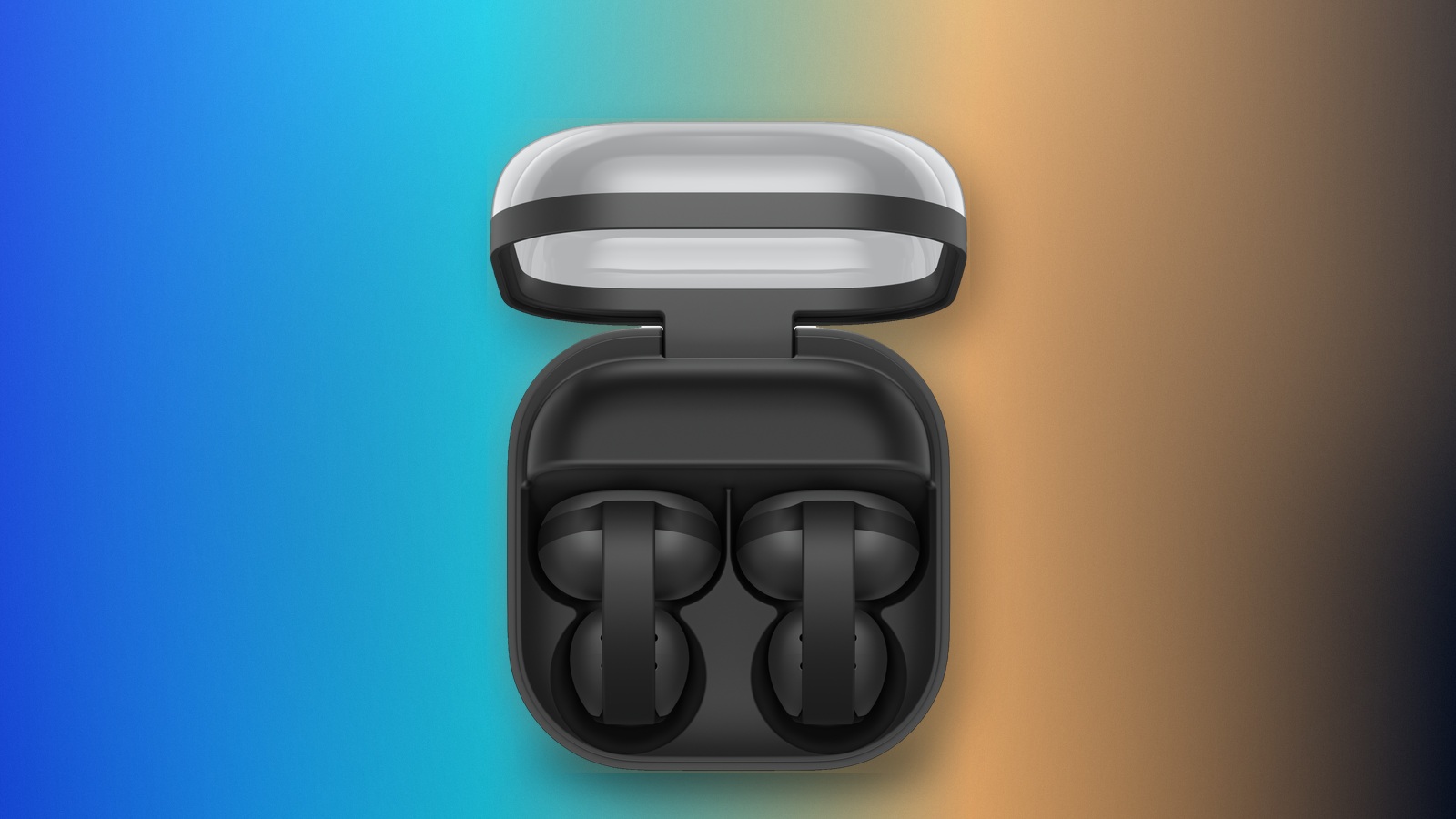
Head gestures can answer or end a call, dismiss an alarm, or read a message notice. Opening the case can pair a Galaxy device. Also, volume and EQ can move in the phone’s Settings pane without the Galaxy Wearable app. The Snapdragon S7 Gen 1 Sound Platform and a Class-D amp are the power story. Samsung rates up to nine and a half hours of music on one charge. It did not publish case extra hours, weight, or an IP rating in this release. The note also does not claim active noise cancellation, which fits an open canal. Official stills show a rounded square case with a clear lid and the buds nested on their clips, and Samsung did not list a shared case SKU with Galaxy Buds 4.
Korea price and the wait for other markets
South Korea gets a single black model on October 27 for 299000 won. Samsung says other countries follow in phases. Full product pages land on Samsung.com on October 27. Until then, the Korea newsroom is the spec sheet: TwinBoost, leakage cut, nine and a half hours, Gemini Live, and one color. Finally, Samsung has not posted a US list price, a US shop SKU, or a US on-sale date in this Korea release.


