
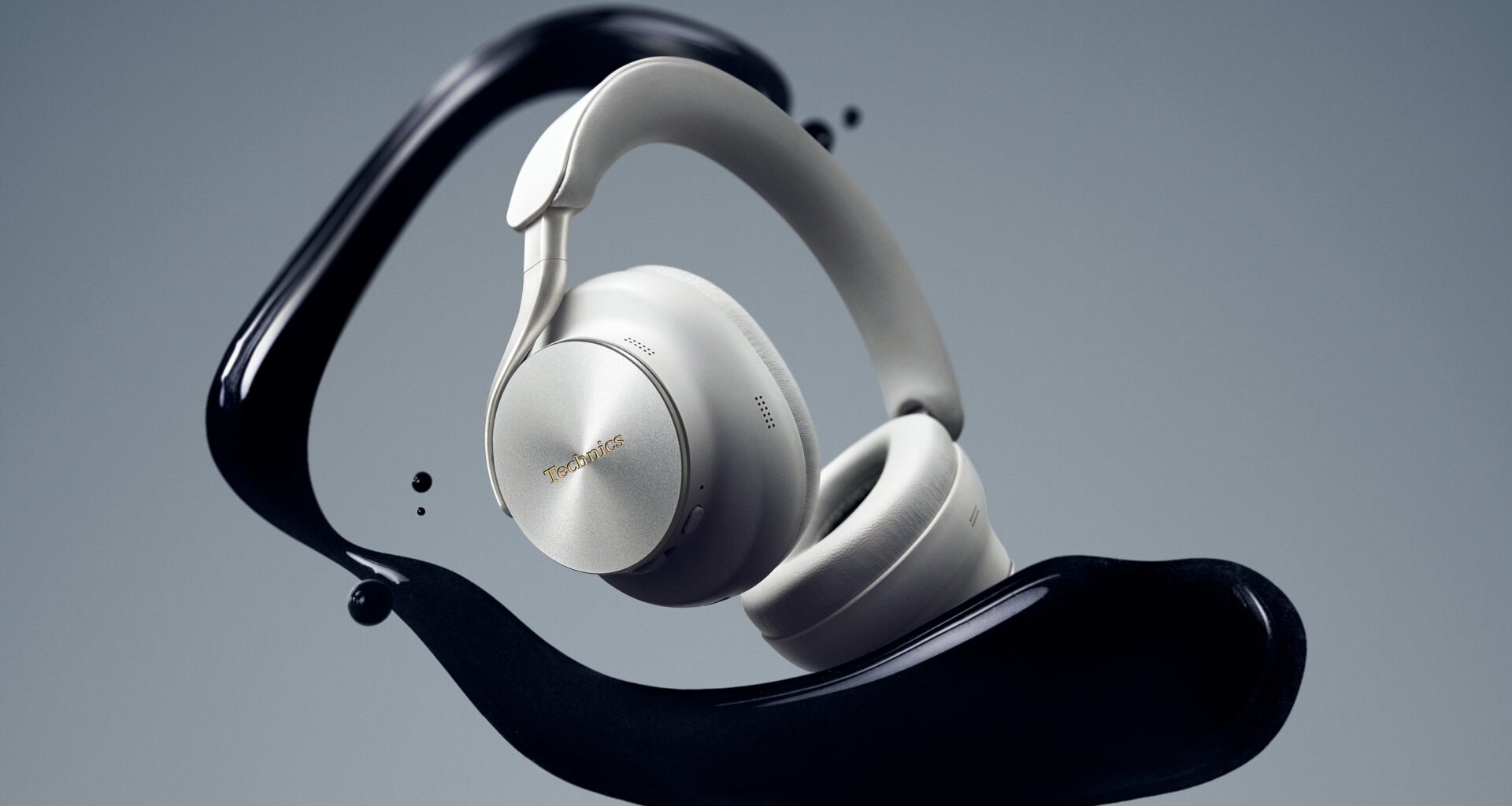
The Technics EAH-A1000 brings the brand’s Magnetic Fluid Driver technology to its flagship wireless over-ear headphones. Panasonic announced the model on September 29, with a new 40 mm driver, adaptive noise cancelling, and the redesigned Flow Arm. Meanwhile, the US Technics store lists it at $449.99.
Technics previously used magnetic fluid in its EAH-TZ700 and EAH-AZ100 in-ear models. However, controlling a larger diaphragm presents a different challenge: slight tilting, misalignment, or flexing can introduce distortion. The company says fluid between the voice coil and magnet helps stabilize movement. That is an engineering claim from Technics, rather than a listening result from Tech My Money.

Technics EAH-A1000 driver and acoustic design
The driver uses an SST, or Symmetrical Surround Technology, Edge derived from Technics’ flagship speakers. It aims to make the surround’s back-and-forth movement more symmetrical. A lightweight carbon-fiber diaphragm adds rigidity, while its cone shape helps limit flexing. Technics clarifies that “Pure Carbon Fiber” describes a non-composite, non-laminated construction, rather than a diaphragm made exclusively of carbon fiber.
A flatter baffle limits unwanted reflections around the driver. An Acoustic Control Chamber behind it manages airflow to balance bass and midrange frequencies. Adaptive noise cancelling responds to surrounding noise and the headphones’ fit, using three feed-forward microphones and one feedback microphone per side. Meanwhile, Ambient Mode lets outside sound through when you need to hear an announcement.

Flow Arm, fit, and colors
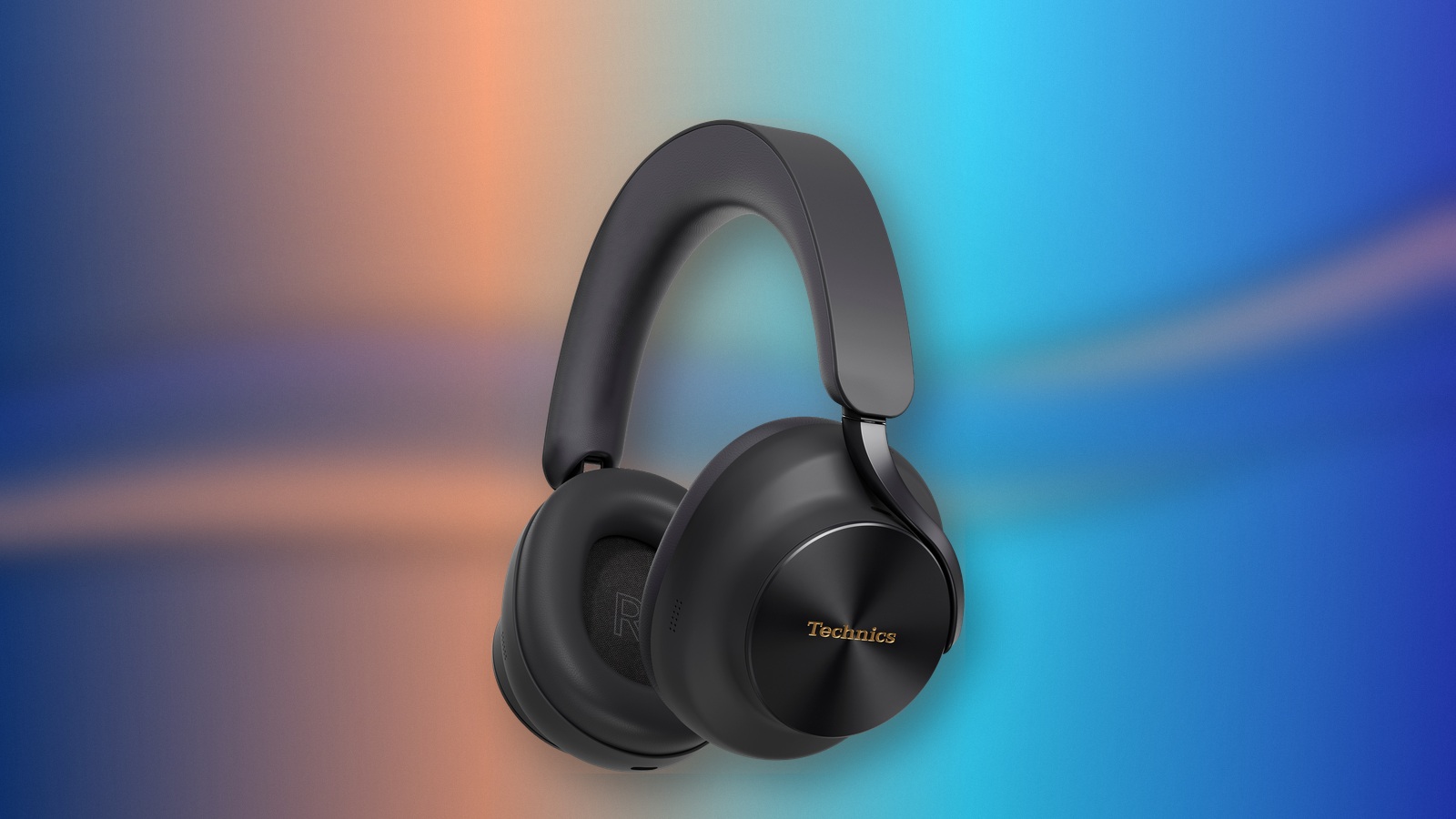
The Flow Arm transitions from a square slider to a triangular hanger, with single-sided metal support for the circular ear cups. Metal housing panels retain the brand’s circular finish and gold logo. Black and Platinum Greige are the two announced colors; the latter blends gray and beige.
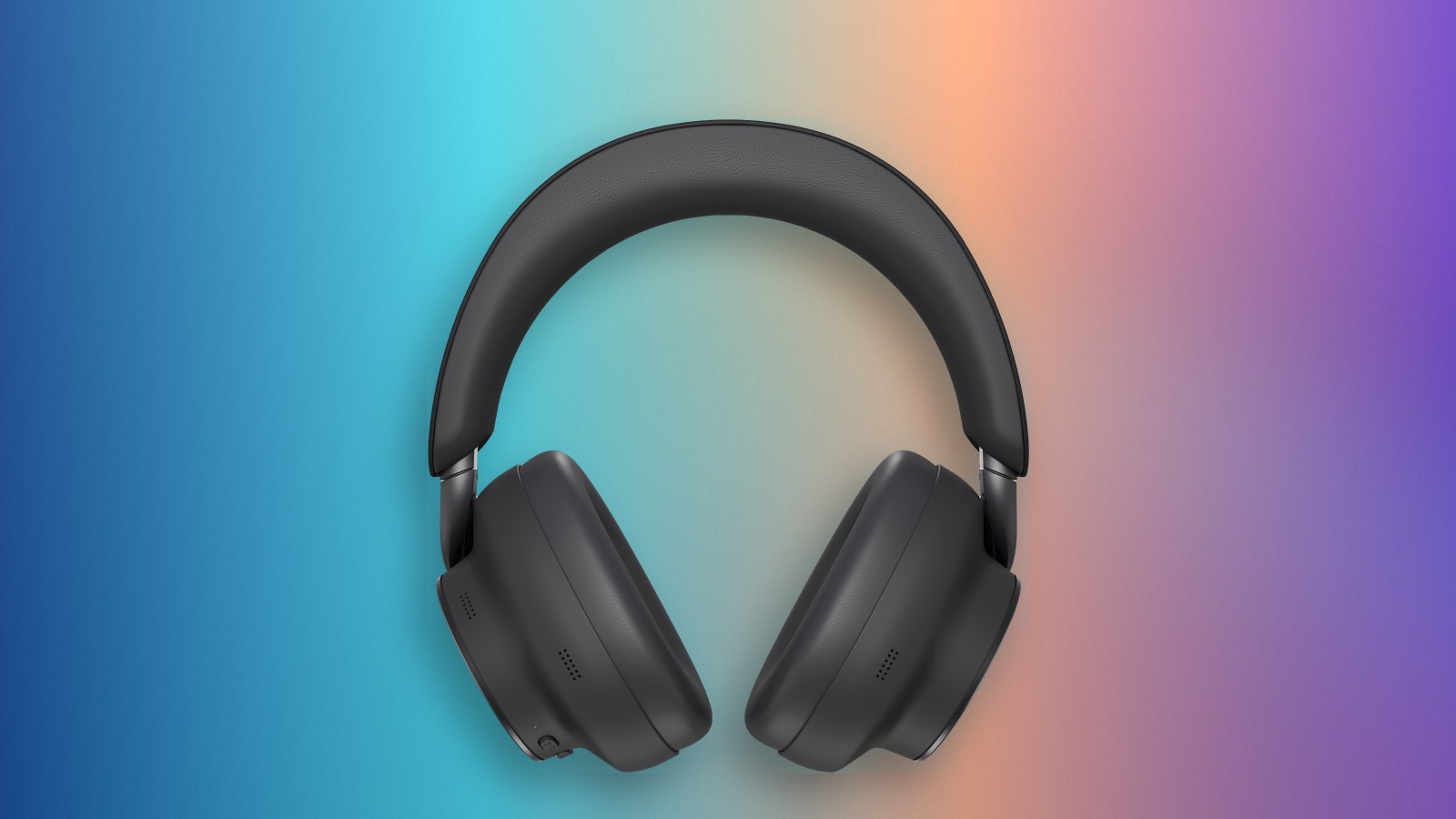
Technics also revised ear-cup movement, headband shape, and slider adjustment to distribute pressure. High-density memory foam pads aim to provide comfort and a secure acoustic seal. For travel, the headphones fold and include a dedicated carrying case. Physical buttons and a slide control handle operation, while AI beamforming targets voice pickup during calls.
Battery, codecs, and US pricing
The US product page rates battery life at up to 45 hours with ANC on. It lists up to four hours of playback from a 15-minute charge. LDAC supports high-resolution Bluetooth listening, while LE Audio uses the LC3 codec. USB Audio supports lossless digital playback, alongside a wired listening option.
Multipoint connects up to three devices. Other listed features include Dolby Atmos with head tracking and the Technics Audio Connect app with Sound Share. However, those specifications alone do not establish real-world sound quality, noise cancellation, or comfort.
At the September 30 check, the US store priced both colors at $449.99. Black was available, while Platinum Greige was unavailable. For context, Tech My Money also covered Bose’s QuietComfort 2nd Gen and the Beyerdynamic Aventho Y. Still, this is a launch report, not a hands-on verdict: the driver design and listening features need evaluation together.