




























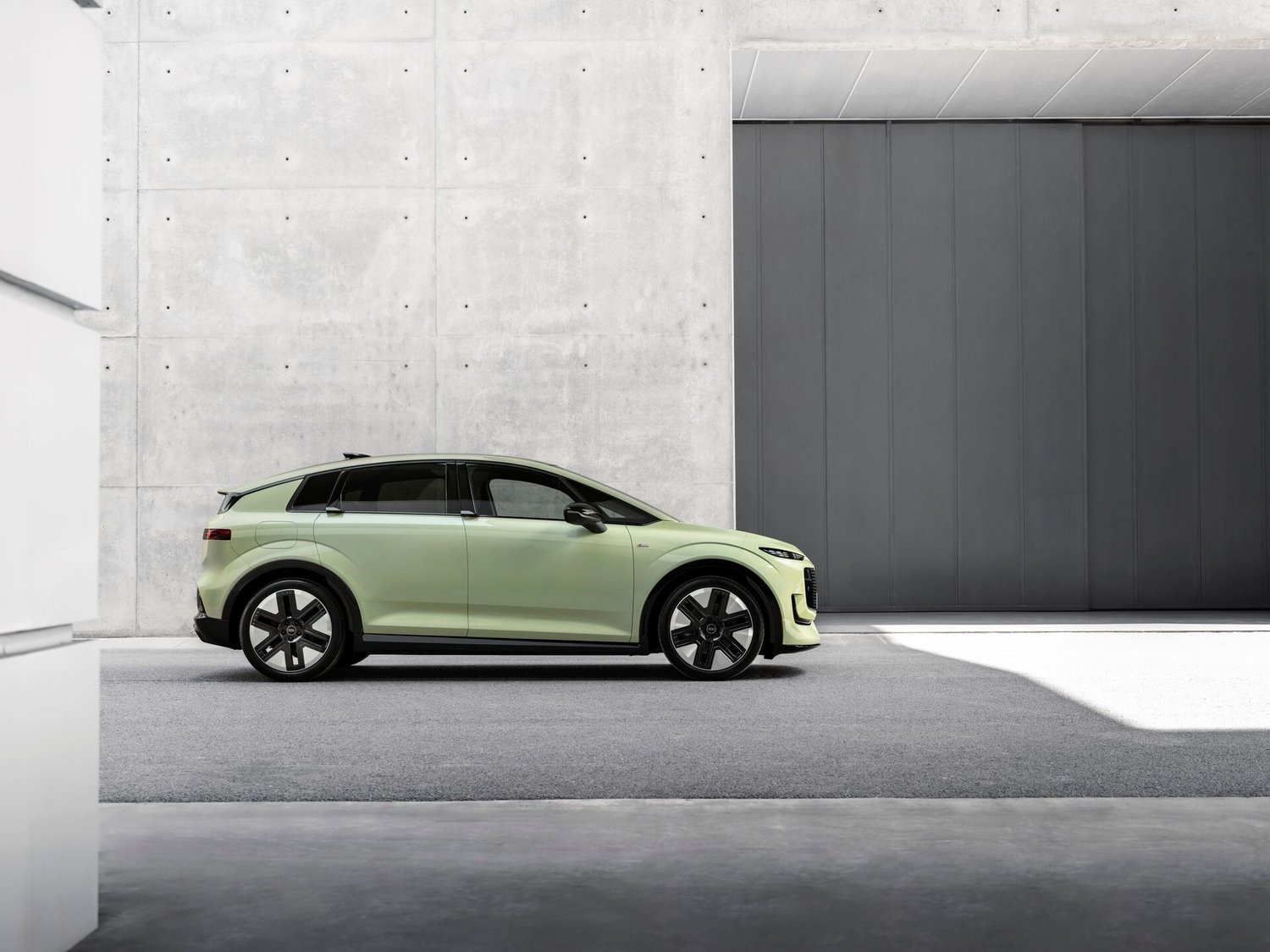
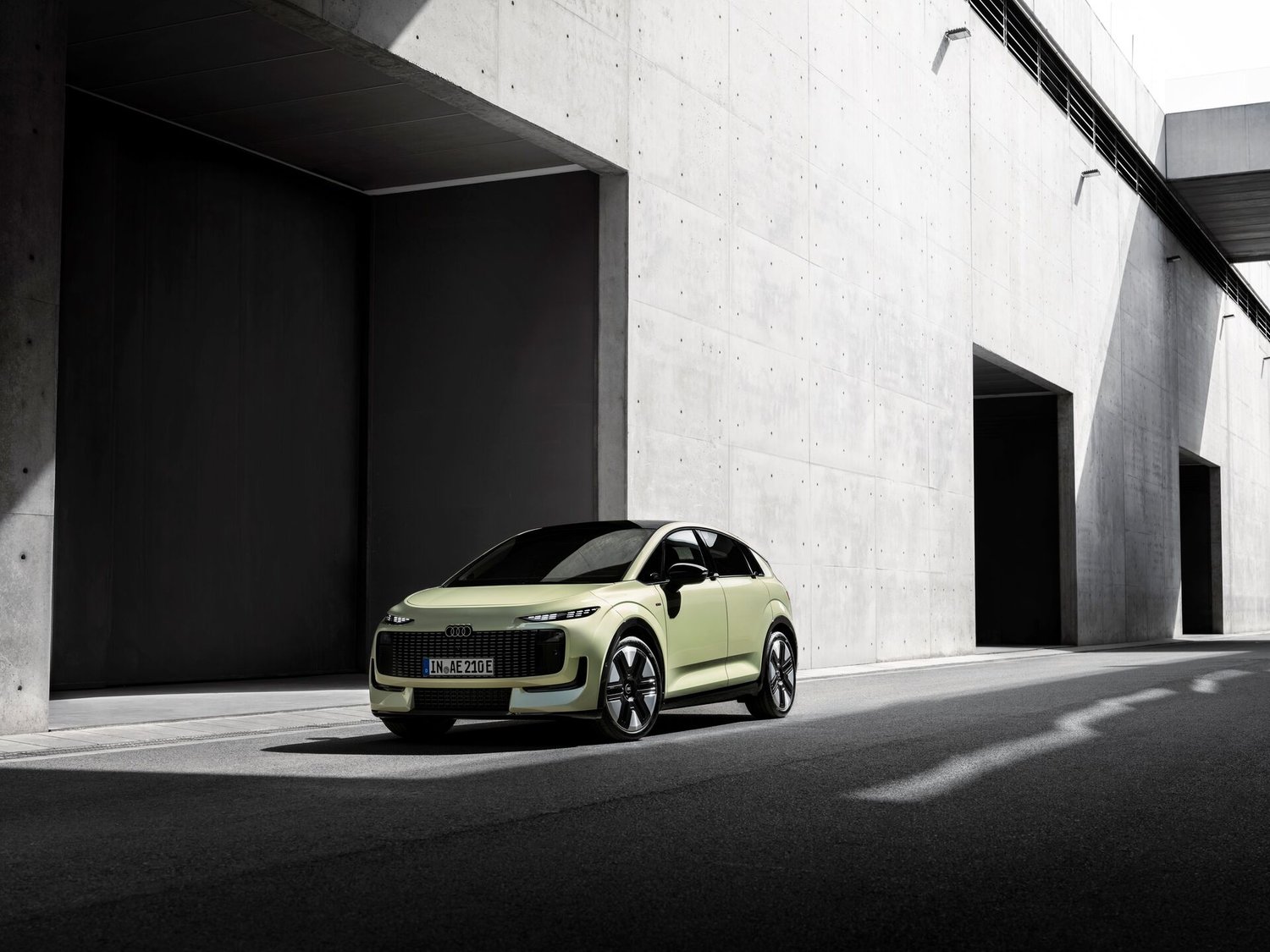
Audi A2 e-tron is the most efficient car Audi has ever built, at least on paper. Audi revealed the compact electric hatchback on September 7. It quotes WLTP consumption of 12.8 kWh per 100 km and up to 646 km of range, about 401 miles. Orders open in Germany on September 10, deliveries start in December, and pricing begins at 38,200 euros. However, those two headline numbers belong to two different versions of the car. Audi has also built it for Europe only.
How Audi gets to 12.8 kWh per 100 km
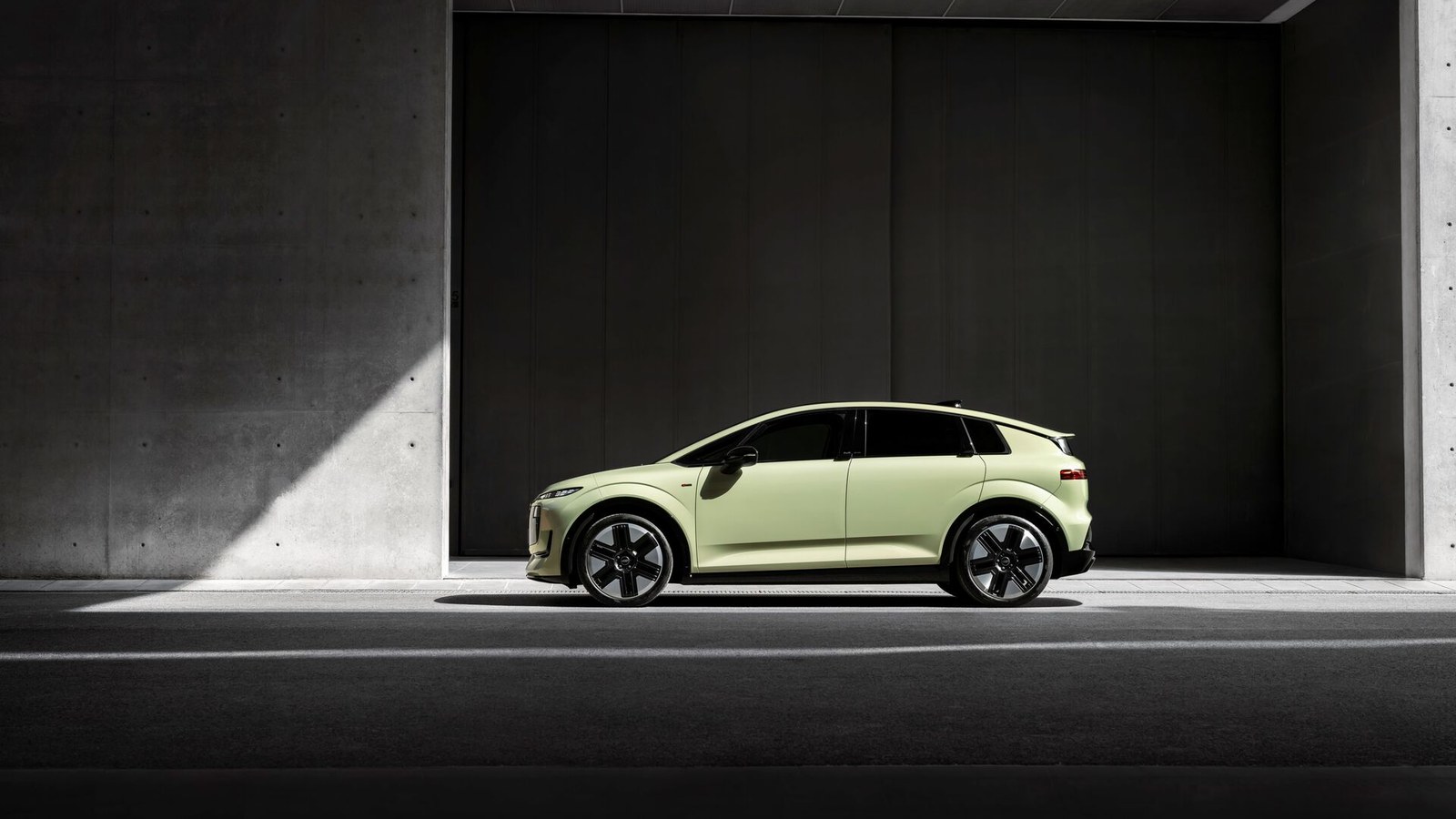
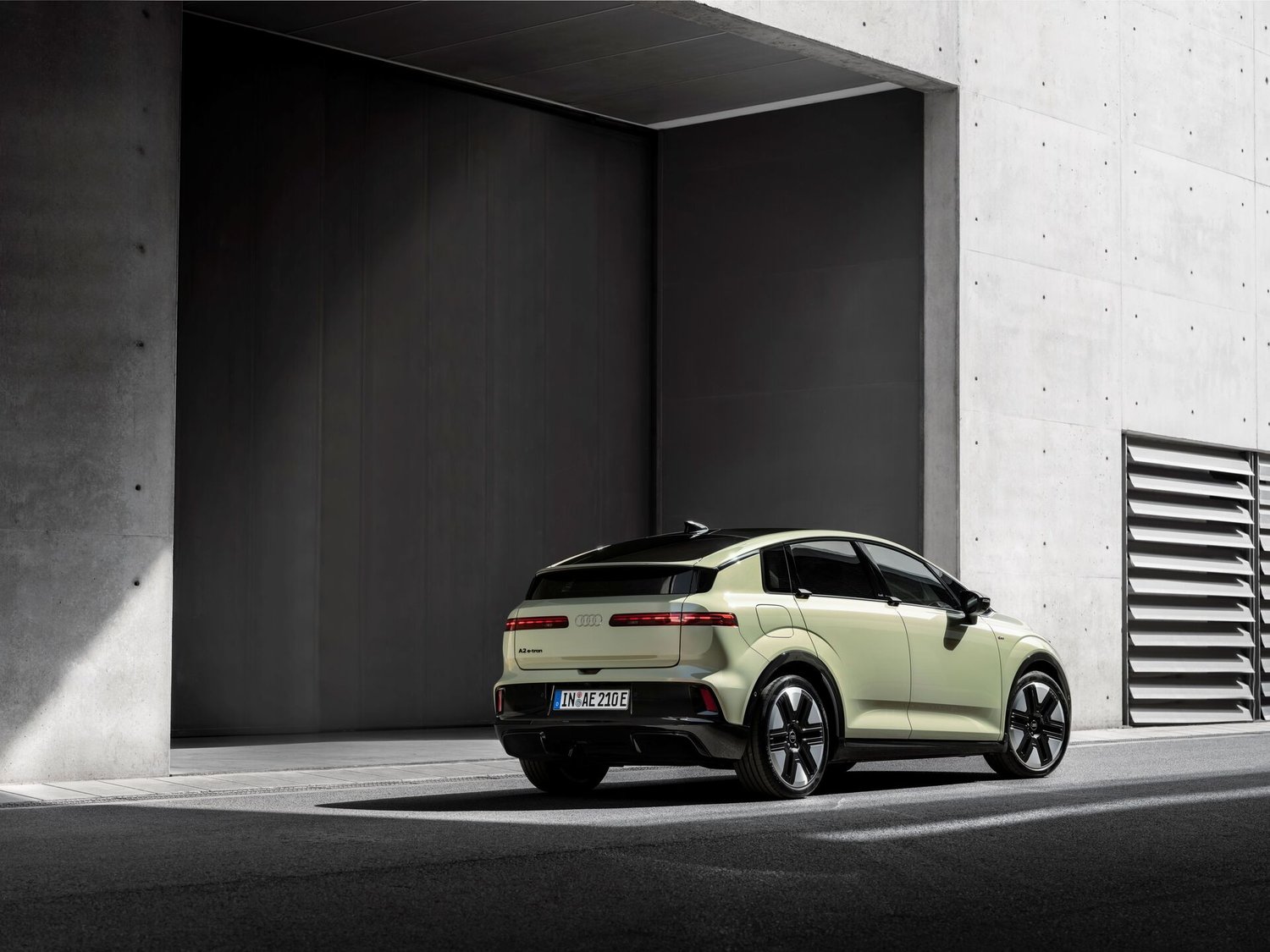
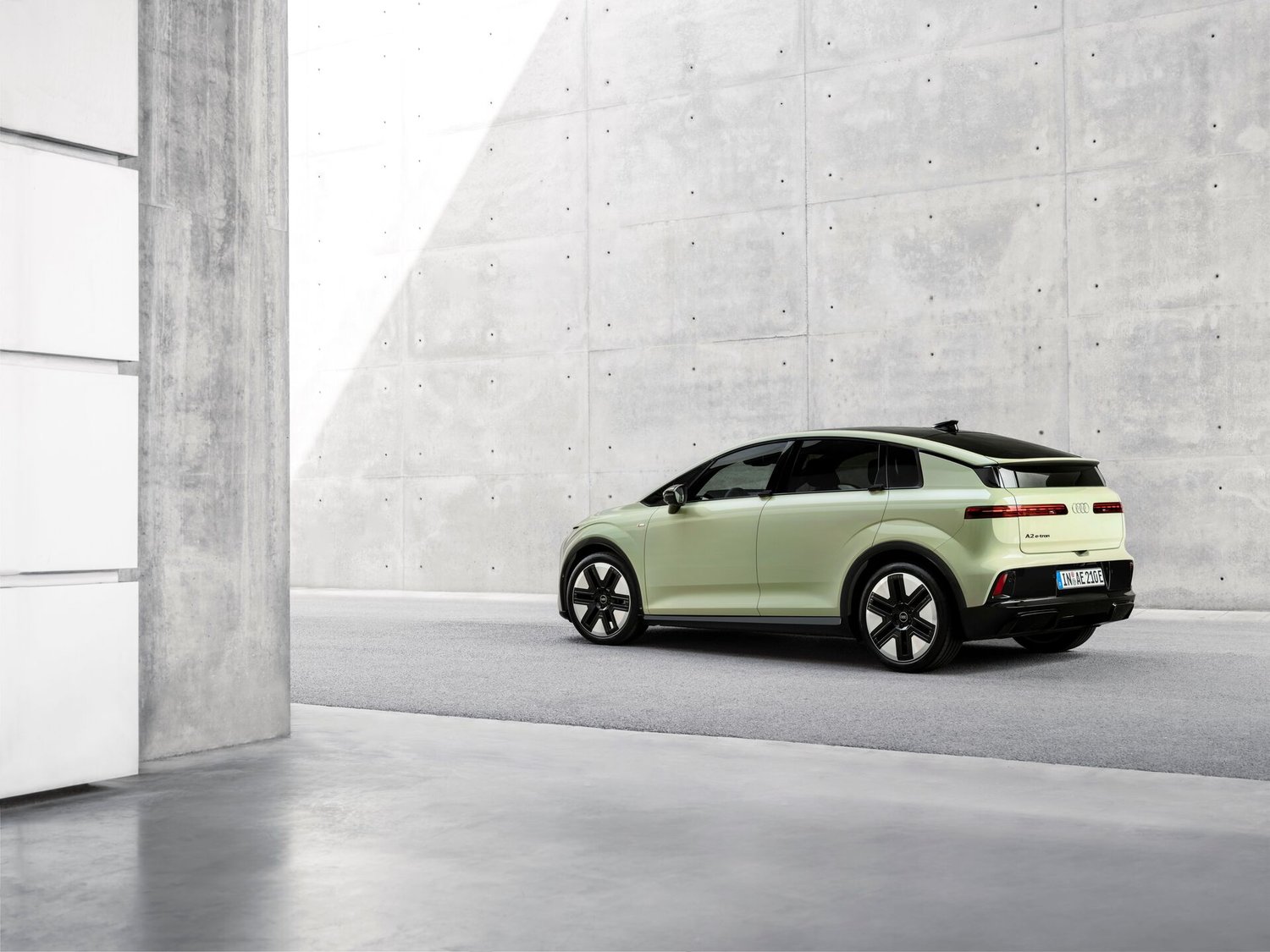
The efficiency story starts with air. Audi quotes a drag coefficient of 0.24, its best in the compact segment. In practice, the whole body serves that number. A sloping roofline, short overhangs on a 2.77-meter wheelbase, and a mostly enclosed underbody keep airflow clean. Smaller details matter too. New aero wheels sit behind “gap reducers” in the wheel-arch trim, and a cooling intake opens only when needed. Likewise, electric door handles with haptic sensors sit flush with the doors. Meanwhile, a small energy store inside each door means they still open if the car’s electrics fail.
Under the floor, Audi offers four rear-drive power levels and three batteries. Here is where the fine print matters. The 12.8 kWh figure applies to the 140 kW model with the optional efficiency package and a 61 kWh pack. In turn, that version manages up to 515 km. The 646 km headline belongs instead to the 170 kW model with the 84 kWh pack. In other words, no single A2 e-tron delivers both the lowest consumption and the longest range.
| Version | Battery (gross) | WLTP range | Consumption from | DC charging peak | 10-80% | 0-100 km/h |
|---|---|---|---|---|---|---|
| 125 kW | 52 kWh | up to 423 km | 13.7 kWh/100 km | 100 kW | 24 min | 8.8 s |
| 140 kW | 61 kWh | up to 515 km | 12.8 kWh/100 km | 105 kW | 26 min | 7.9 s |
| 170 kW | 84 kWh | up to 646 km | 13.9 kWh/100 km | 183 kW | 29 min | 7.0 s |
| 240 kW | 84 kWh | up to 630 km | 14.2 kWh/100 km | 183 kW | 29 min | 5.7 s |
A battery that can power your house
Audi offers bidirectional charging as an option on every version. Vehicle-to-Load runs e-bikes or laptops from a socket in the trunk or through an adapter at the charge port. Vehicle-to-Home goes further and lets the car feed a house through a compatible DC wallbox. That feature covers only Germany, Austria, and Switzerland for now. Consequently, buyers elsewhere in Europe get the socket but not the home-battery trick. BMW pitched a similar idea with the iX5 earlier this year, so Audi is not alone here.
Inside: two screens, a fabric dash, and magnets
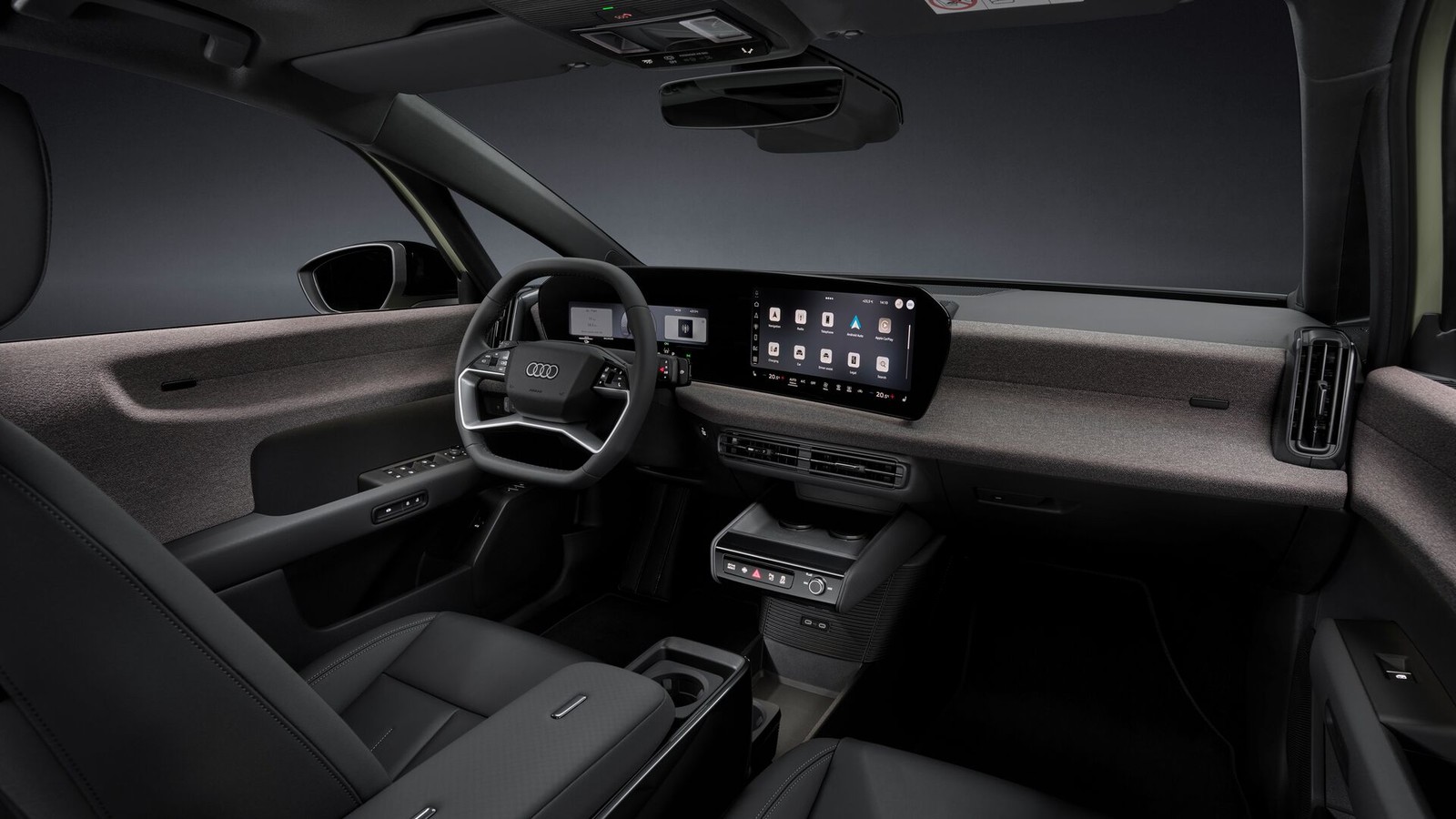
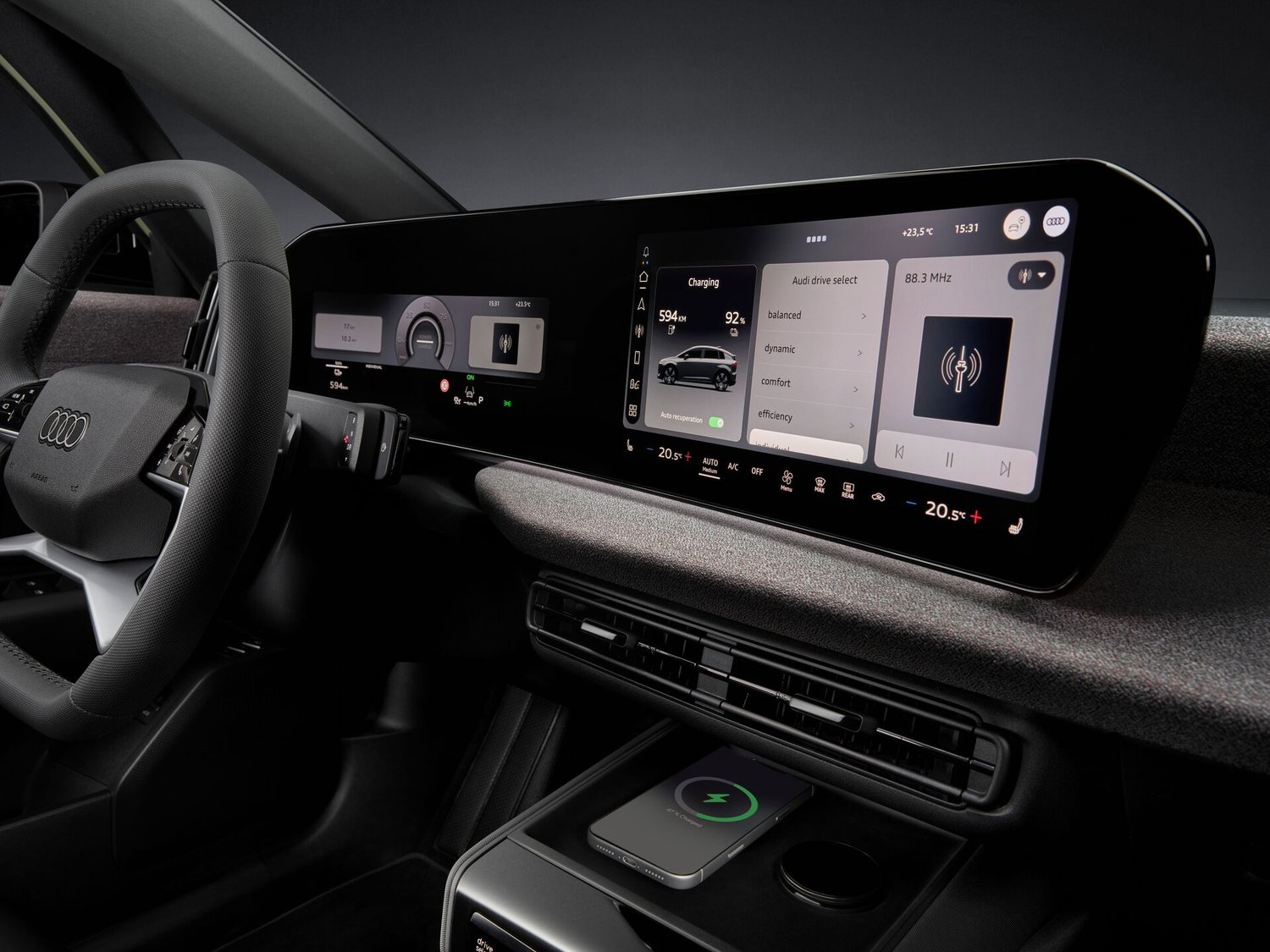
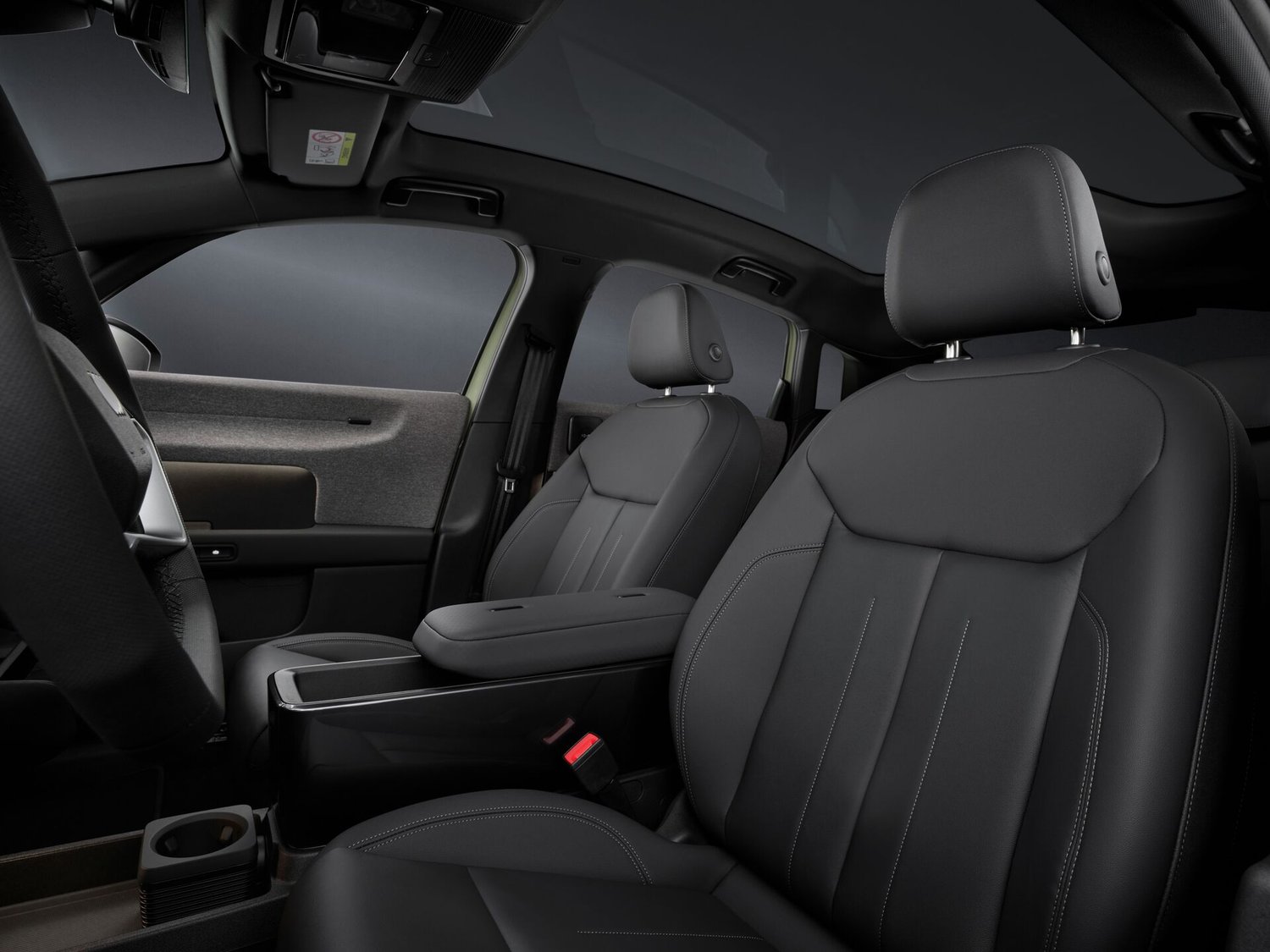
Every A2 e-tron gets the MMI panoramic display, which joins an 11.9-inch virtual cockpit to a curved 12.8-inch touchscreen. Audi’s AI assistant and an e-tron route planner are standard as well. The dashboard wears what Audi calls Softwrap, a fabric surface that runs across the doors and into the rear. A 1.6-square-meter panoramic glass roof costs extra. Audi also claims a premium-segment first with standard Fidlock magnetic fasteners. For example, they snap the charging-cable bag into place. Depending on spec, more than 300 parts use recycled steel, aluminum, or plastics.
Price, timing, and the US question
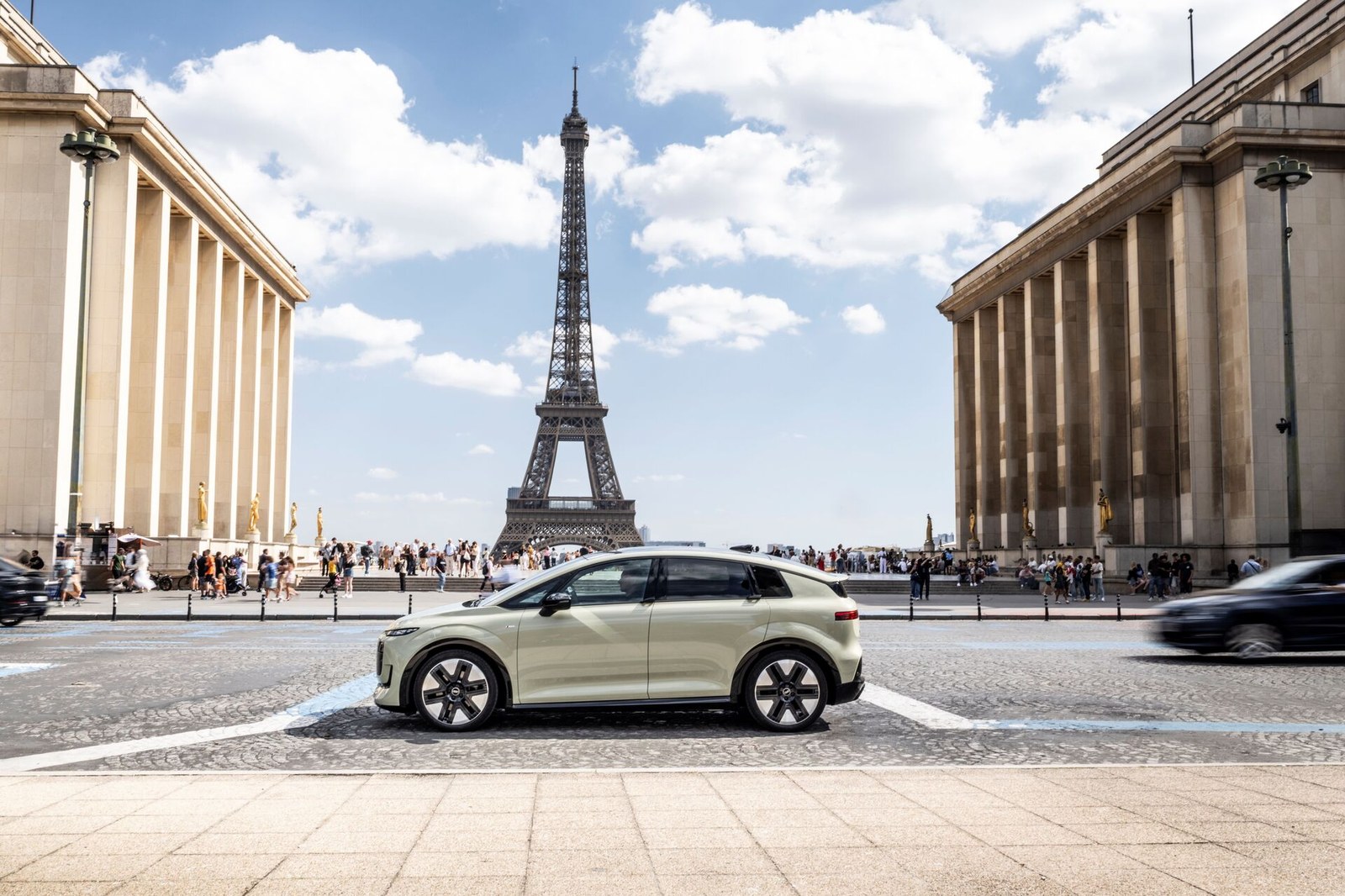
Audi builds the A2 e-tron in Ingolstadt. The company says it reached the road 21 months faster than earlier models, partly by reusing about 250 existing robots. German pricing starts at 38,200 euros, roughly $44,000 at current rates. Orders open September 10, and first deliveries land in December. Audi describes the car as “deliberately tailored to the needs of European customers,” and it has announced no plans for other markets. As a result, American shoppers wanting a small, efficient EV still have to look at cars like the Kia EV3. “It shows how we are rethinking premium for Europe: using resources more intelligently without compromising on quality, technology, or customer experience,” said Audi CEO Gernot Dollner. The proof will come when independent range tests, not WLTP labels, get their hands on one.