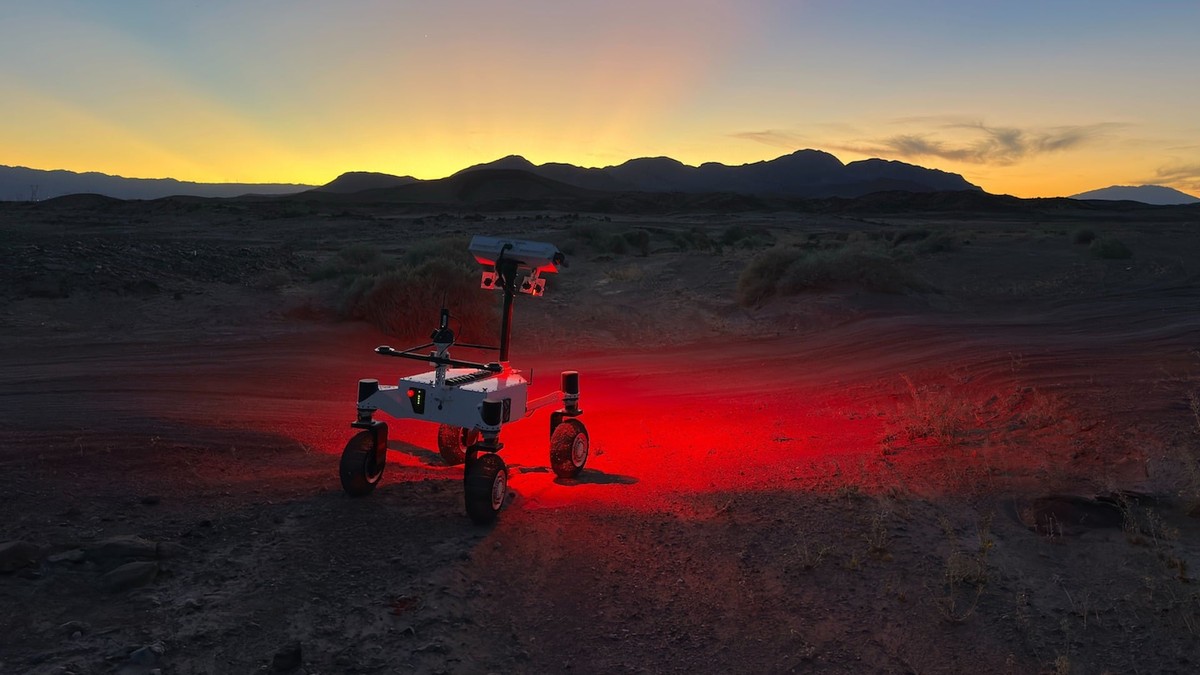
Finding new ways to traverse rugged alien environments is a major priority for space agencies. Notably, the Jet Propulsion Laboratory recently completed field tests for the new NASA ERNEST rover. This prototype vehicle offers a significant leap in speed and agility for future space missions. Specifically, it can travel across sloped terrains much faster than existing robotic explorers.
During a desert test campaign, the four-wheeled explorer traveled autonomously for 37 hours. Consequently, the team gathered valuable data on how the vehicle handles loose sand and steep ridges. First, engineers evaluated the rover’s unique gait, which includes wheel-walking and squirming. Second, they tested its sideways driving capabilities using four steerable wheels.

Why the NASA ERNEST rover represents a major upgrade
The name stands for Exploration Rover for Navigating Extreme Sloped Terrain. Importantly, this prototype reaches speeds up to 0.6 miles per hour (1 kilometer per hour). This speed represents a tenfold increase over the top speed of Curiosity or Perseverance. Therefore, scientists can plan much larger exploration routes on future missions.
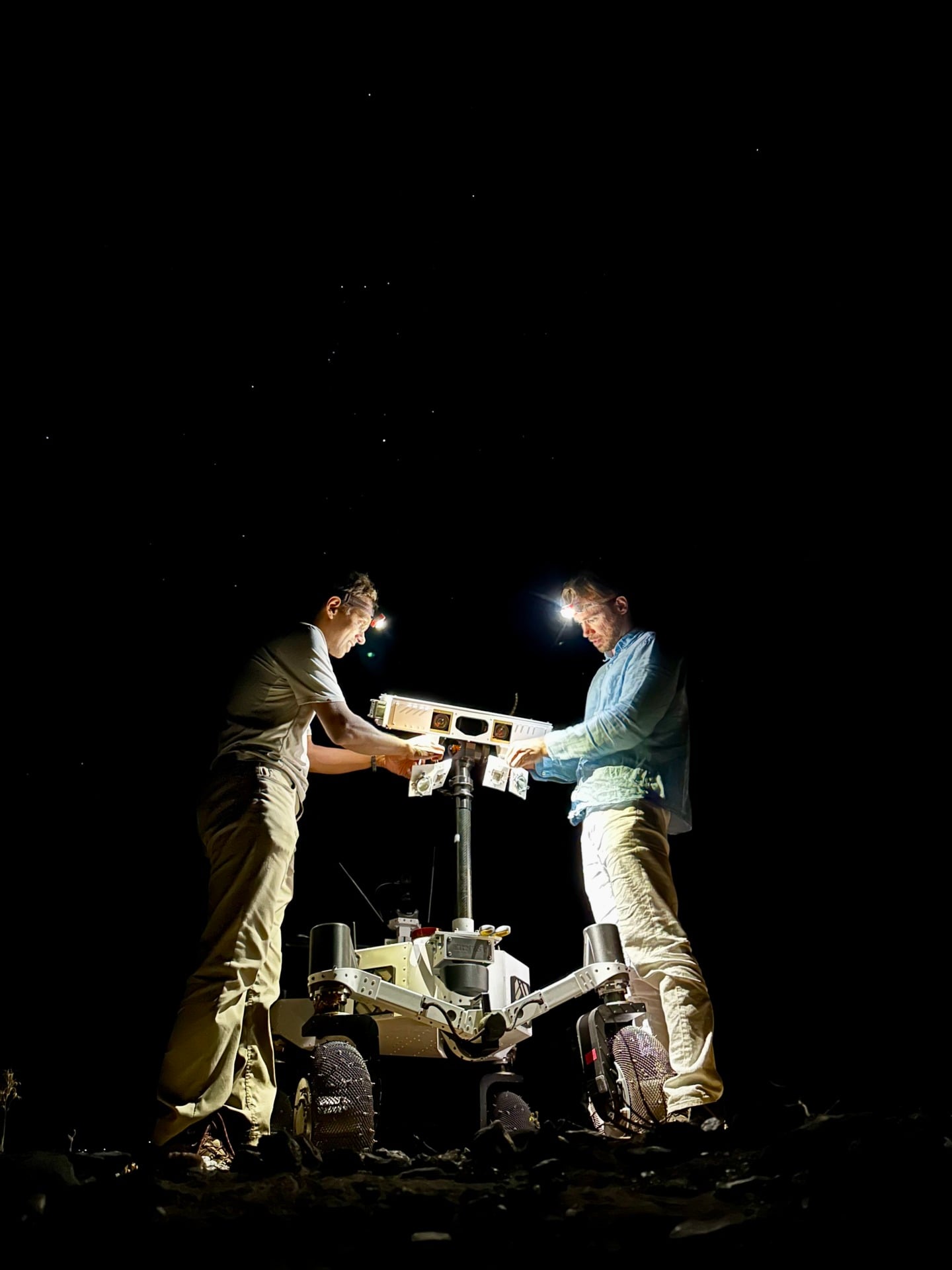
Engineers also designed the system to navigate in complete darkness. For instance, they ran several pre-sunrise tests to simulate the long shadows of the lunar south pole. Still, the autonomous AI software handled these extreme lighting conditions without human intervention. The rover uses reinforcement learning to make real-time decisions and climb obstacles safely.

Training the rover using machine learning
Generally, engineers write manual code to direct a robot’s joint movements. However, the JPL team utilized reinforcement learning to train the vehicle’s AI. This approach allows the robot to learn optimal movements by interacting directly with sand and obstacles. As a result, the system handles complex terrain without relying on pre-programmed instructions.
This research represents a broader push to modernize autonomous space hardware. Other recent projects, like the Caltech Deep Synoptic Array, also showcase new tech capabilities. Similarly, virtualization tools like the Google Earth flight simulator help the public explore geographic data online. Ultimately, these autonomous upgrades will help NASA execute more ambitious scientific road trips on the Moon.