Ultrahuman M2 Live is the company’s second-generation glucose tracker, and the headline change is access. The new platform drops the prescription. It now runs on Abbott’s over-the-counter Lingo sensor, instead of the prescription-only FreeStyle Libre that powered the first M1. As a result, more people in the US can buy in without a doctor’s note. The pitch stays the same as before, though. Ultrahuman wants to turn your glucose into a daily metabolic-health signal.
What actually changed from the M1
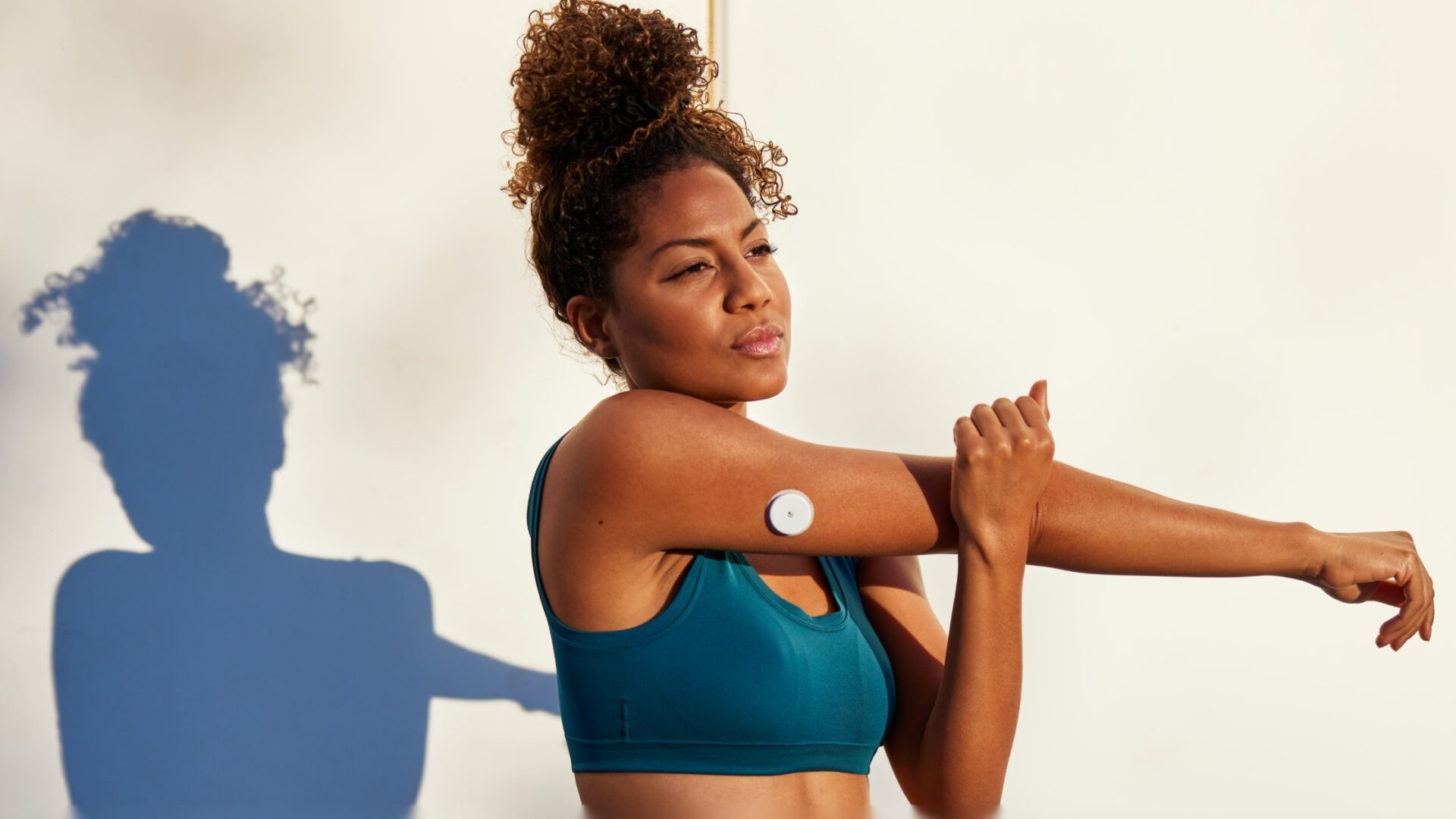
Indeed, the hardware swap is the real story here. A continuous glucose monitor, or CGM, is a small patch with a thread-thin sensor under the skin. In practice, it reads glucose around the clock and sends the data to your phone. The M1 used Abbott’s medical FreeStyle Libre, which needed a prescription. The M2 Live instead pairs with Abbott’s Lingo, a consumer biosensor sold over the counter. So the friction drops, and so does the barrier to trying it. Ultrahuman frames the upgrade simply: “continuous glucose tracking and actionable insights, now powered by Abbott Lingo.”
What you see in the app
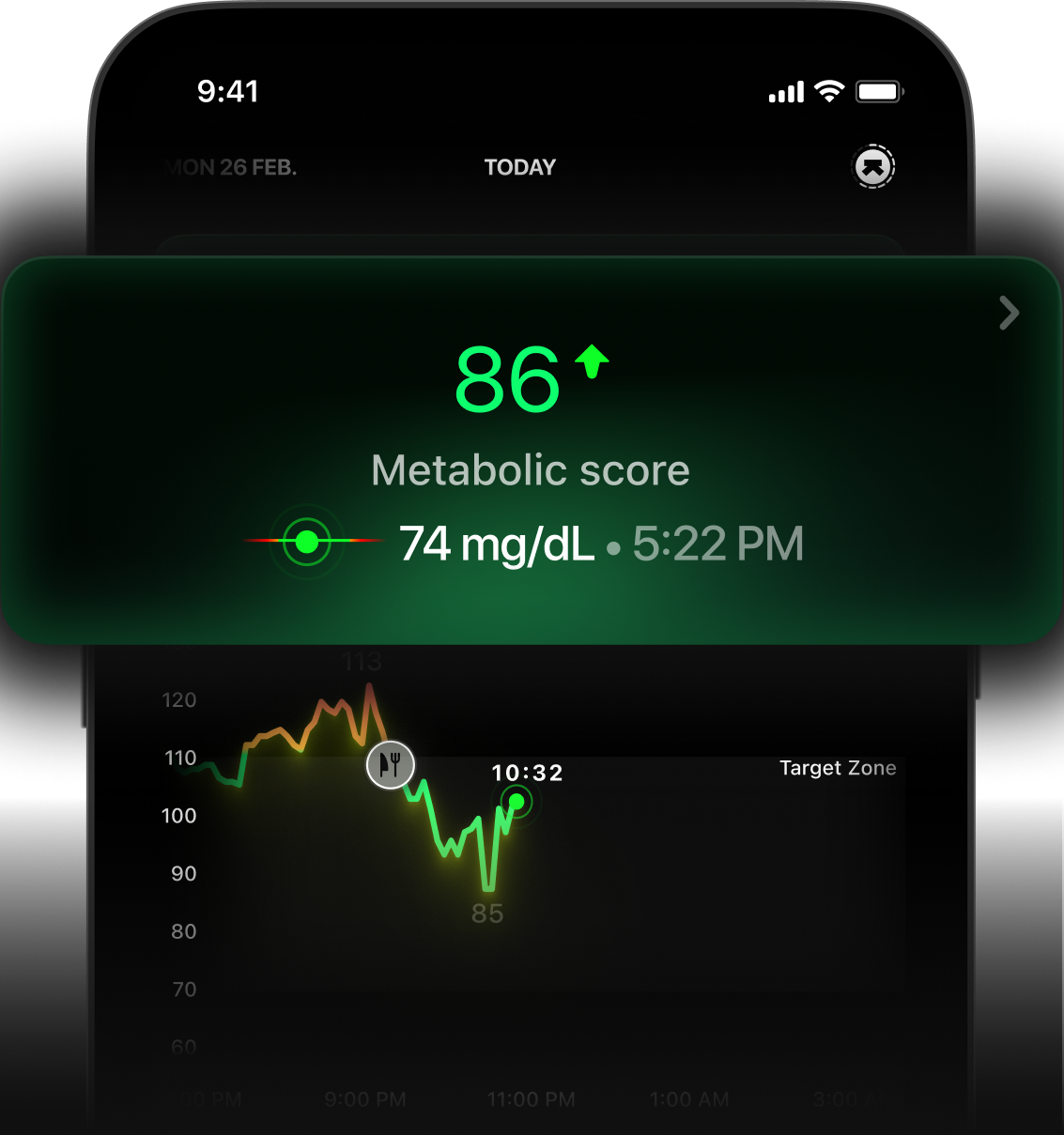
Notably, the sensor itself is fairly dumb. The Ultrahuman app does the interpreting. It shows your live glucose in mg/dL, plots the trend through the day, and flags when you drift out of a target range. Then it layers that against your meals, sleep, stress, and workouts. For people who also wear the Ultrahuman Ring, the glucose data sits next to activity and recovery stats. The goal is cause and effect. You can see how a specific meal or run moved your numbers.

The AI metabolic score
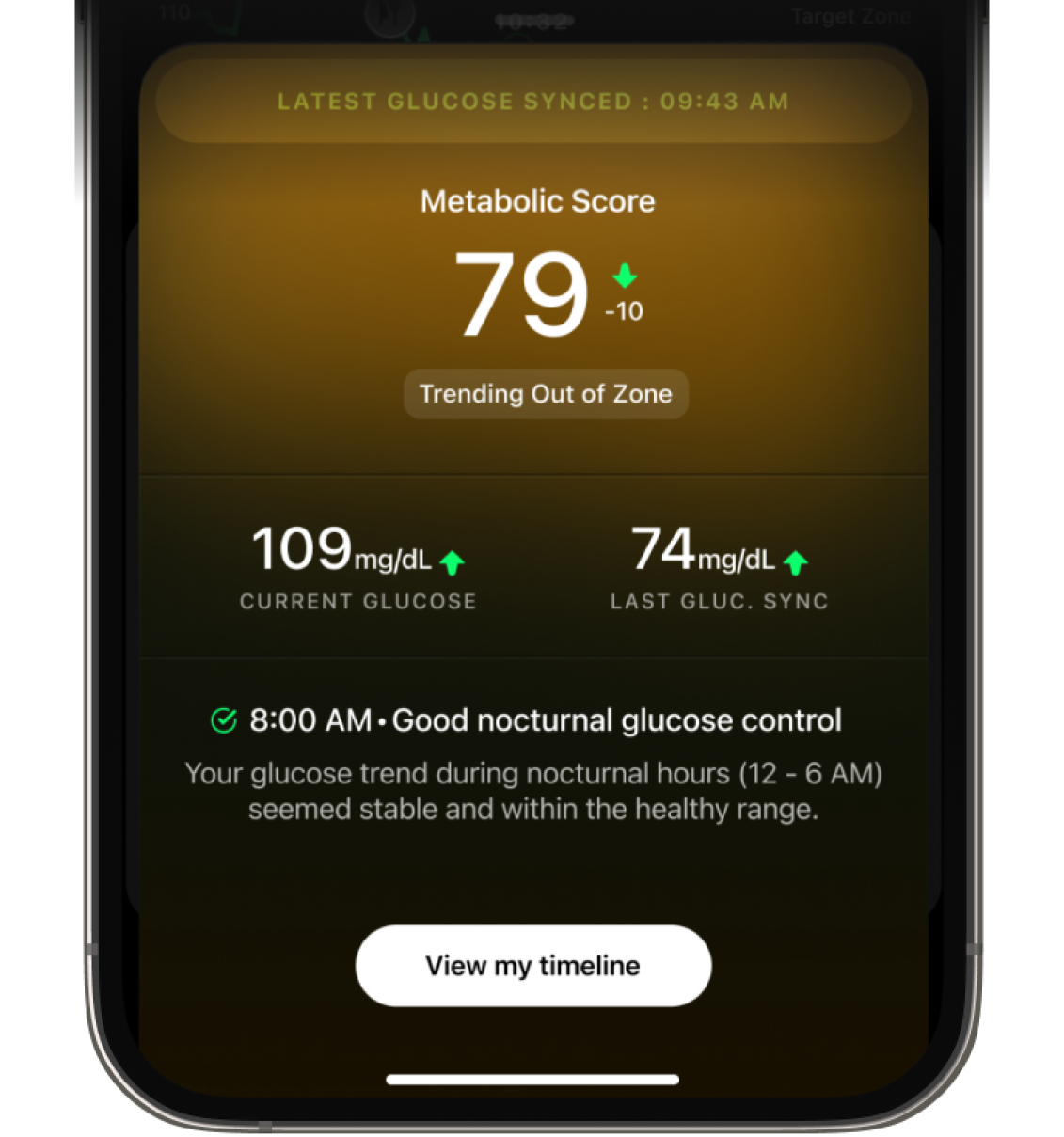
Meanwhile, Ultrahuman leans hard on a single number. The app distills your glucose patterns into an AI-driven metabolic score, generated by its scoring engine. It then writes plain-language notes on top. One example flags “good nocturnal glucose control” and explains that your overnight levels stayed stable. The aim is to make raw biochemistry feel coachable. Still, treat the score as a guide, not a diagnosis. It is a wellness metric, not a clinical reading.

Price and availability
Naturally, pricing reflects the consumer move. A single Lingo sensor lasts 14 days and costs $129. Alternatively, a subscription runs $99 a month for ongoing sensors and the app. Ultrahuman says M2 Live is rolling out in the US in the coming weeks. That puts it up against a crowded field. It competes with Abbott’s own Lingo app, Dexcom’s Stelo, and Ring rivals like the Oura Ring that are also chasing metabolic data.
Do you actually need the Ultrahuman M2 Live?
Here the skepticism is fair. CGMs are essential tools for people with diabetes. However, for healthy adults, the benefit is far less settled. Many clinicians note that glucose naturally swings after meals, and that chasing every spike can cause needless worry. Lingo is cleared as a wellness device, not a diabetes treatment, and that distinction matters. So M2 Live is best read as a curiosity-and-coaching tool, not medical care. Like other AI health-scoring features, it will live or die on whether the guidance changes real habits. Cheaper access is genuinely useful. Whether most people need constant glucose data is the harder question.